SCENE FILM 1999
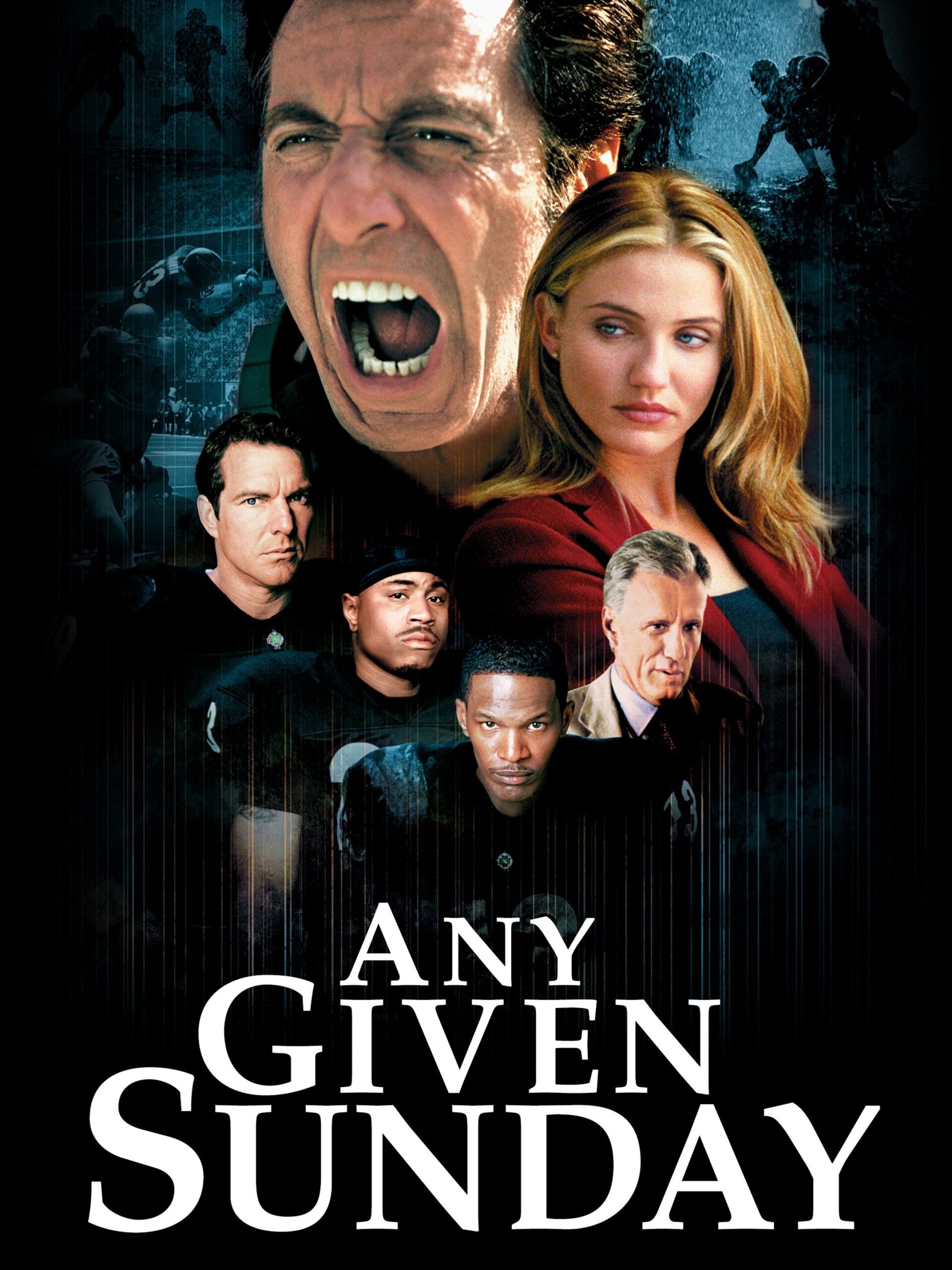
Any Given Sunday
Everybody came to play.
A film about football, ageing, ambition, loyalty, money—and the bodies sacrificed to keep the spectacle moving.
THE FILMS THAT STAY
Some films date. Some films age. And some films remain waiting for you exactly where you left them.
There are films you watch once, enjoy and move on from.
Then there are the films you return to—not because you have forgotten what happens, but because you remember exactly how they made you feel.
Any Given Sunday is one of those films for me.
I can put it on at almost any point and immediately get drawn back into it. The noise. The music. The editing. The bodies colliding. Al Pacino shouting. Jamie Foxx strutting around as though the entire future of the sport has arrived with him.
It is just a quality film.
WHERE I WAS
The beginning of everything else.
I left school in May 1999. Any Given Sunday arrived in British cinemas the following March, just as one part of my life had ended and another was beginning.
Perhaps that is why I cannot believe how old it is. In my head, it still belongs to the beginning of everything—not something released more than a quarter of a century ago.
BENEATH THE GAME
More Than a Football Film
On the surface, this is a film about an American football team struggling through a difficult season.
The Miami Sharks are losing. Their veteran quarterback is injured. Their ageing coach appears increasingly out of step with the modern game. A younger owner wants results, revenue and a new stadium. Doctors are making compromises. Players are competing for money, status and survival.
Then Willie Beamen gets his opportunity.
That is the football story.
Underneath it, however, Any Given Sunday is about something much larger: what happens when tradition, ambition and commerce all begin pulling in different directions.
Experience, loyalty and the belief that a team should mean more than the people temporarily passing through it.
The moment opportunity arrives—and the fear that somebody else will take it away again.
Stadiums, contracts, television, ownership and the machinery required to keep the spectacle profitable.
THE ENSEMBLE
Everybody Came to Play
The cast is ridiculous when you look back at it—and nobody appears to be treating this as a routine sports film.
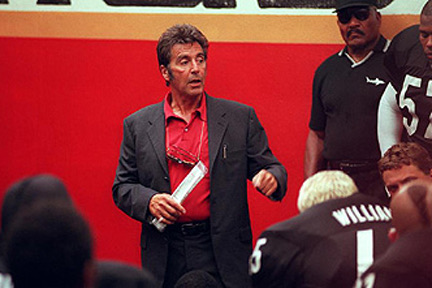
The battered soul of the old game.
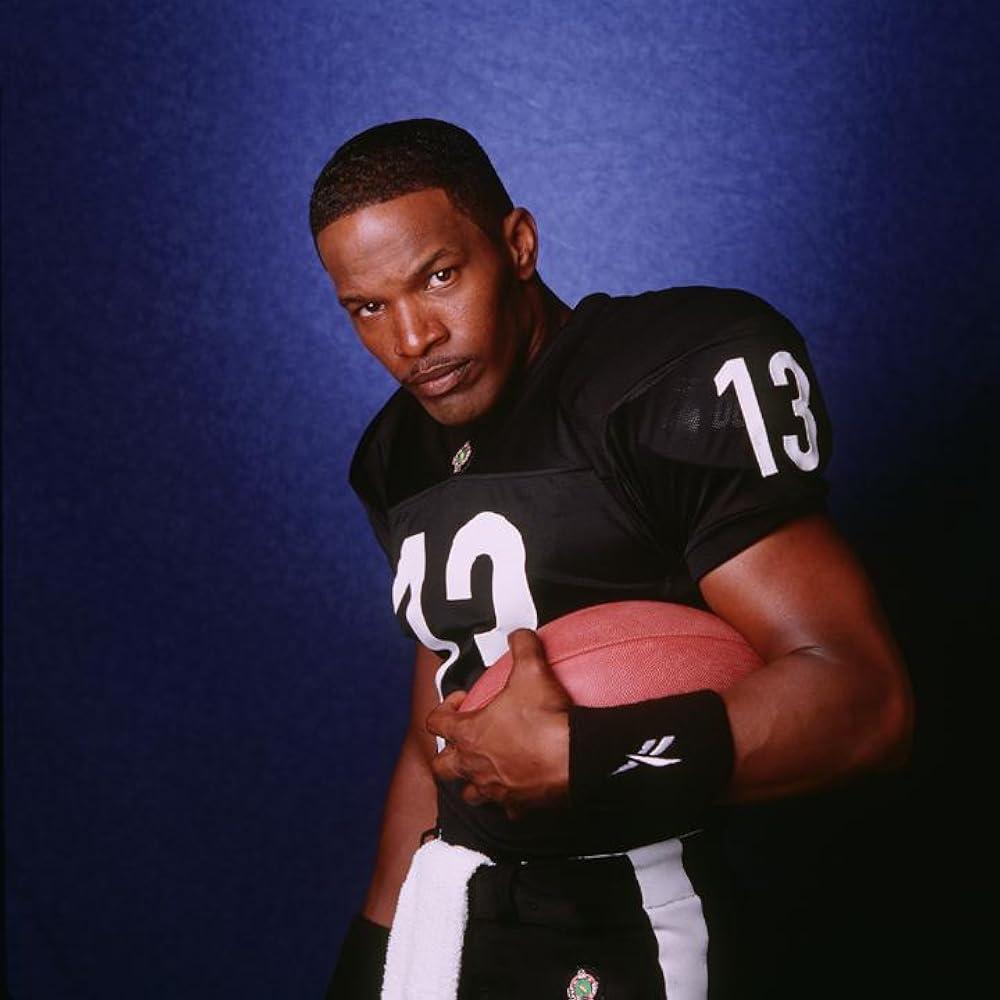
The future arriving before anybody is ready.
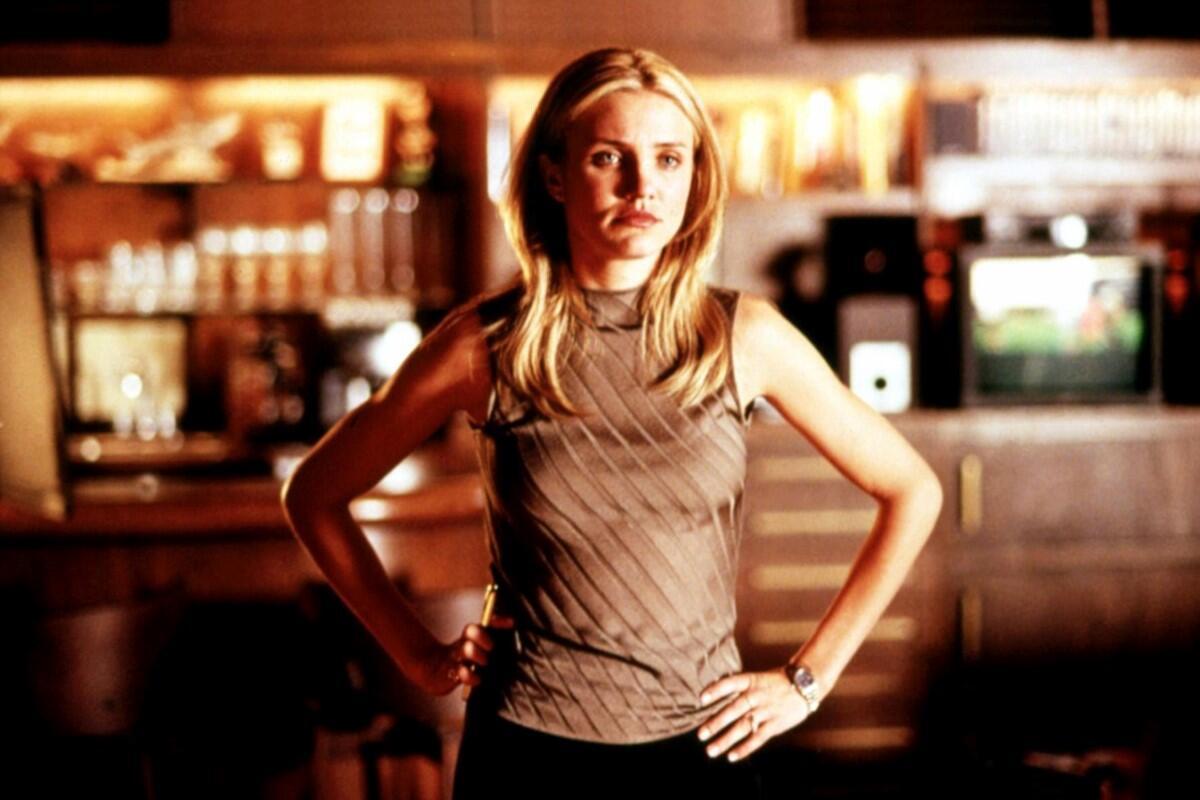
The commercial reality of the modern game.
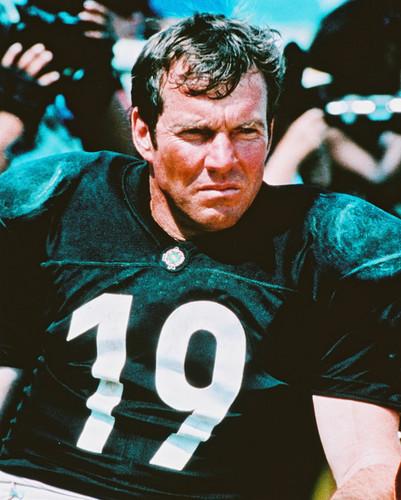
The old hero confronting the limits of his body.
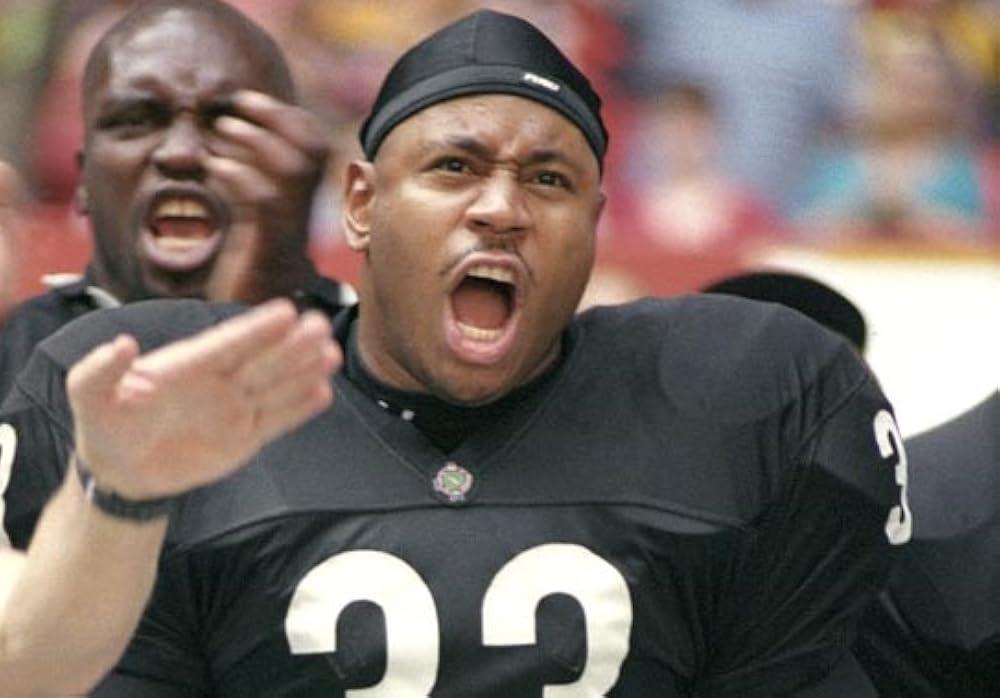
Established, valuable and unwilling to be displaced.

The doctor who has served the machine for too long.
Pacino gives the film its battered soul. His Tony D’Amato is loud and theatrical, but also lonely, tired and frightened that the game has moved beyond him. He is not simply fighting to save a football team. He is fighting to prove that his entire way of understanding life still means something.
Cameron Diaz is equally important. Christina could easily have been written as the heartless female owner who does not understand the game. Instead, Diaz makes her intelligent, formidable and frequently correct. She can see that nostalgia will not pay salaries or fill a stadium.
Dennis Quaid brings dignity to the veteran quarterback whose career is beginning to close around him. He understands what the game has given him—and what it has taken away.
LL Cool J already looks completely at home on screen. His Julian Washington is established, valuable and understandably threatened by a new player suddenly taking up all the oxygen.
Then there is James Woods as Dr Harvey Mandrake: the old-school team doctor who knows exactly what the game does to players’ bodies, but has spent so long serving the system that compromise has become routine.
“This film has characters everywhere.
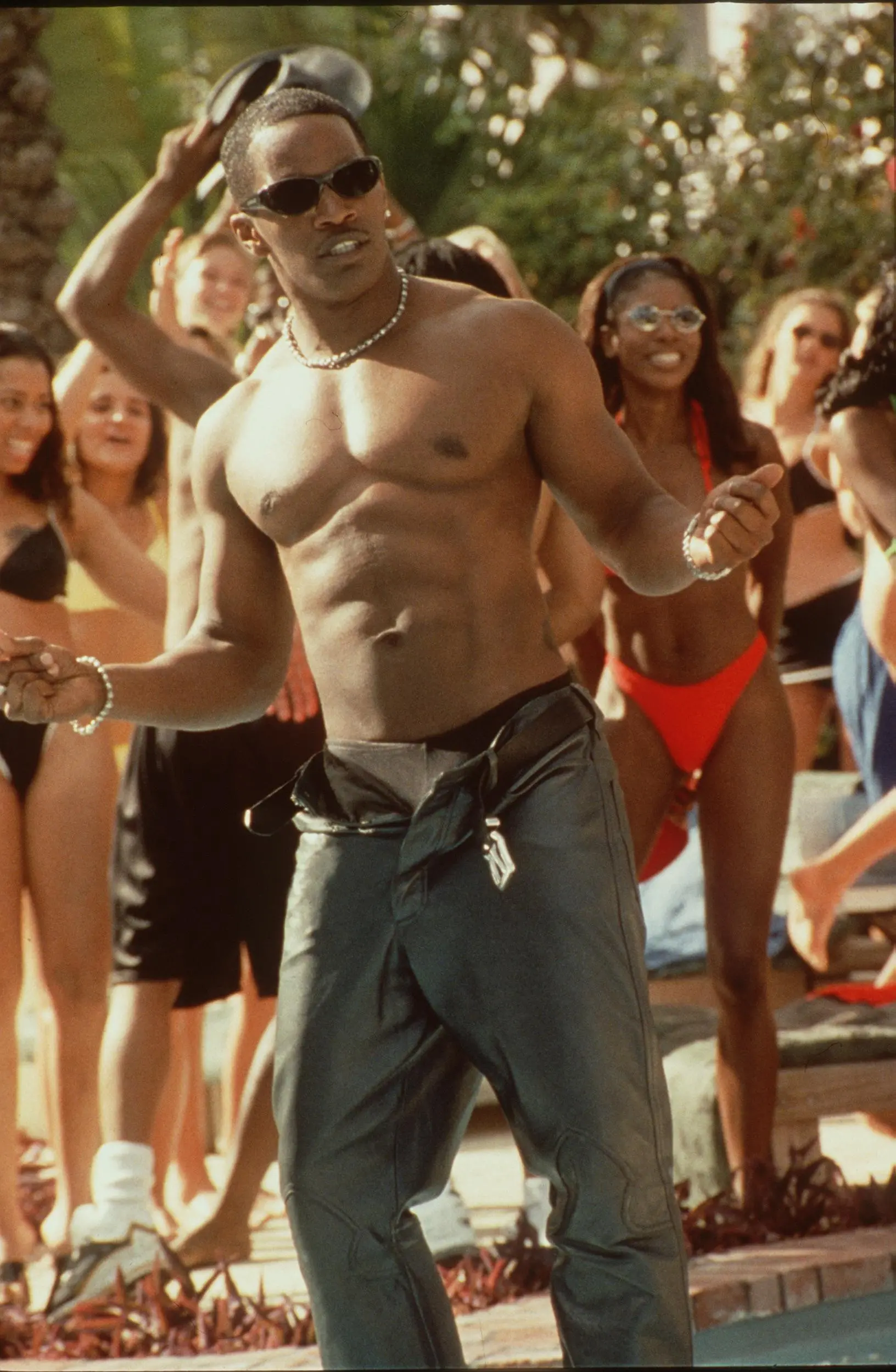
BEFORE SLOW JAMZ
Jamie Foxx Was the Revelation
It is strange looking back because we now know what followed. “Slow Jamz” arrived in 2003. Ray followed in 2004 and brought him an Academy Award.
But Any Given Sunday was already showing us the range.
Willie Beamen is not simply a talented young quarterback. He is confident, insecure, funny, selfish, frightened and magnetic. He has spent years waiting for his opportunity, and once it arrives, he does not intend to give it back.
Foxx allows you to see the transformation happening. At first, Beamen is trying to survive. Then he realises he is good. Then he realises everybody else knows he is good.
Fame arrives, the endorsements begin and suddenly the team is no longer big enough to contain him.
You dislike him at points—but you understand him.
Why should he remain quiet and grateful when the organisation will discard him the moment his body stops producing? Why should he pretend that football is only about loyalty when everybody above him is counting the money?
Long before Kanye West asked him to sing, Jamie Foxx had already shown us that he was seriously talented.
The performance that revealed the range.
The voice entered popular music.
The Academy Award confirmed everything.
THE SPEECH
Life moves in inches.
Of course, the film contains the famous “inches” speech.
It has been quoted, replayed and borrowed so often that it should have lost its power years ago. Somehow, it has not.
Part of that is Pacino. He could make a shopping list sound like the final address before battle.
But the speech lasts because it expresses the entire film. Careers are built and destroyed by tiny distances. One decision, one injury, one hesitation or one opportunity can separate the player who becomes indispensable from the player everybody forgets.
The distance between opportunity and regret can be almost invisible.
The same idea stretches far beyond sport. Life rarely changes all at once. It moves through inches: the choices we make, the chances we take and the moments when we decide whether to keep fighting for something.
It is obvious. It is excessive. It is completely sincere. And it works every time.
BEHIND THE SPECTACLE
The Violence Underneath It
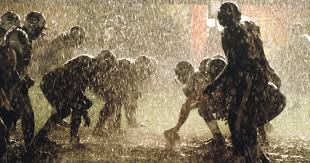
Oliver Stone does not film American football as a clean, organised game.
He films it as warfare.
The camera shakes. Bodies slam into one another. Bones crack. Blood appears. Players vomit. The editing comes at you from every direction. The matches feel confusing, frightening and physical.
That chaos is essential.
The crowd sees entertainment. The owners see revenue. The coaches see tactics. But the players experience the game through their bodies.
That is the bargain at the centre of the film.
Everybody loves the spectacle, but somebody must absorb the impact.
Even the medical system operates inside that bargain. The question is not always whether a player is healthy. It is whether he can be made healthy enough to return to the field.
More than a quarter of a century later, that part feels less dated than ever.
A DIFFERENT TIME
Messy. Excessive. Alive.
Watching Any Given Sunday now feels like opening a door into a different cultural moment.
Mobile phones had not swallowed everyday life. Social media did not exist. Athletes could become stars without having to turn themselves into permanent online brands.
It is loud in a way films are rarely allowed to be now. It is messy. It is overlong. It has too many characters, too many ideas and absolutely no interest in calming itself down.
That is part of its charm.
It does not feel engineered by an algorithm or designed to generate clips for social media. It feels like a filmmaker being given a huge cast, a huge budget and permission to go for everything.
Not every choice works perfectly.
But the film has personality. It has sweat on it. You can feel the ambition.
Perhaps that is why I continue returning to it—not because it is flawless, but because it is alive.
THE FINAL WHISTLE
A Proper Classic
Any Given Sunday is sold as a film about American football.
It is really about ageing, power, masculinity, ambition, loyalty, money and the uncomfortable knowledge that every institution eventually chooses its own survival.
It gave Al Pacino one of his most replayed speeches. It gave Cameron Diaz one of her strongest dramatic roles. It surrounded them with a cast operating at full force.
And it showed that Jamie Foxx was never going to remain in one lane.
More than 25 years later, it still moves. It still hits. It still makes professional sport feel exhilarating and deeply unsettling at the same time.