UNSENT / NOW
The Culture War Doesn’t Need a Passport
Charlie Kirk, an English bloke in a T-shirt, Barack Obama, Donald Trump, Black pilots, guns, grievance — and somehow Mariah Carey at the end of it all.
It’s been a year since Charlie Kirk was killed, and the anniversary reminded me of something that happened at work a few weeks ago.
I was working with this English bloke.
Very patriot. Very England. Very we need our country back sort of energy.
And he was wearing a Charlie Kirk T-shirt.
Mate, you should be in America.
Not because an Englishman can’t admire an American political figure. Like whoever you want.
It was the contradiction that interested me.
Here was someone projecting this very particular version of English patriotism, while literally wearing an American political activist across his chest.
And the funny thing is, I already had a pretty good idea what this bloke probably thought about women.
I could probably have guessed where he stood on immigration. “Woke.” DEI. Trump. Masculinity. Race. Probably Brexit.
Not because a T-shirt magically tells you everything about another human being.
It doesn’t.
But that’s what these political personalities have increasingly become:
You see the T-shirt and you recognise the wider political ecosystem surrounding it.
And once somebody has absorbed that entire package, I genuinely don’t know how you engage with them.
Because you’re no longer necessarily arguing about whether a particular policy works.
You’re potentially challenging part of who that person believes themselves to be.
IDENTITY
When politics stops being policy
I remember seeing something similar around Brexit.
A sense that something has been taken away and somebody else must be responsible.
Eventually it stops looking like a collection of political positions and starts looking like an identity.
THE QUESTION
Who actually is Britain’s Charlie Kirk?
Standing there looking at that T-shirt made me wonder:
Who is the English equivalent?
Stephen Yaxley-Lennon?
No. Not really.
Nigel Farage?
Not really him either.
And the more I thought about it, the more I realised that perhaps Britain doesn’t actually have one.
Because whatever else you thought about Charlie Kirk, he wasn’t stupid.
You can completely disagree with someone’s politics while recognising that they were extremely good at politics.
THE OPERATOR
He understood the machine
Kirk grew up in suburban Illinois and became politically active while he was still at school.
He briefly attended community college but did not complete a university degree.
Instead, at just 18 years old, he co-founded Turning Point USA.
And from that he helped build an enormous conservative political and media operation.
That requires something.
Kirk understood something very early that plenty of established politicians were still struggling to understand.
ANTAGONISM
The confrontation was part of the product
Watch some of Kirk’s debates and you can see it.
He was clever.
He could listen. Pivot. Reframe a question. Move the conversation onto territory where he was comfortable.
And he was an antagonist.
I don’t necessarily mean that as an insult.
Antagonism was part of the product.
Put Charlie Kirk in front of somebody who profoundly disagreed with him and you had content.
If the opponent became angry, even better.
The calmer person can look like the reasonable one.
The clip gets cut.
The audience chooses a winner.
Tomorrow the machine does it again.
THE DEFENCE
“He wasn’t racist.”
That’s why I find the endless argument over whether Charlie Kirk was personally “racist” or “sexist” less interesting than examining what he actually said and the political movement he actively helped build.
He wasn’t racist.
He wasn’t sexist.
You’re taking him out of context.
Watch the whole debate.
And sometimes context genuinely does matter.
Some statements attributed to Kirk online were inaccurate or distorted.
But context does not magically make everything else disappear.
MERIT
Why does the Black pilot trigger the question?
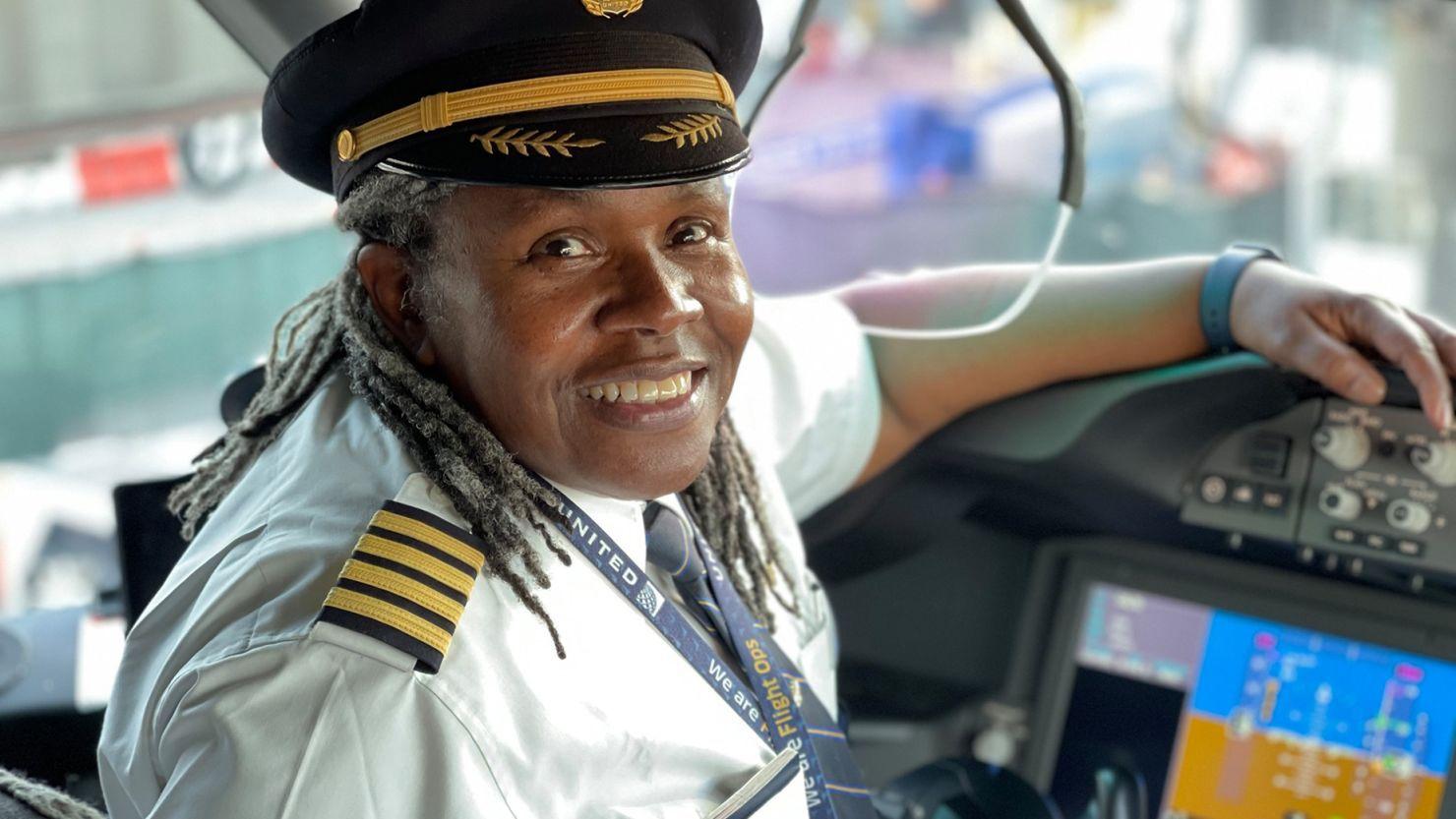
During a discussion about DEI and aviation, Kirk said:
“If I see a Black pilot, I’m going to be like, ‘Boy, I hope he’s qualified.’”
His argument was that diversity policies themselves had created that suspicion.
But that is precisely why the sentence interests me.
Why does seeing the Black pilot activate the question?
Why doesn’t the white pilot have to visually demonstrate that he got there entirely through merit?
That is how this kind of politics can operate.
You don’t necessarily have to stand there screaming an explicit racial slur.
Introduce the doubt.
Ask the question.
Plant the association.
Then everybody else spends three days arguing about what you really meant.
Supporters hear a criticism of affirmative action.
Critics hear a racial assumption about competence.
And Charlie gets another viral debate.
THE MOVEMENT
He wasn’t operating in a vacuum
Charlie Kirk was helping Donald Trump.
Turning Point became part of the political infrastructure around MAGA.
So when people isolate Kirk completely from Trump and say Charlie wasn’t this, Charlie wasn’t that, I think something important disappears.
Look at the movement he was helping.
Look at the candidate he was helping elect.
Look at the political ecosystem he was helping construct.
That doesn’t mean Charlie Kirk secretly held every belief Donald Trump has ever expressed.
Of course it doesn’t.
But pretending the politics were completely unrelated is equally ridiculous.
Kirk was extraordinarily good at selling parts of that project to younger Americans.
Particularly young men.
That’s why dismissing him as simply some idiot shouting racist things on the internet actually understates him.
THE EXPORT
America had already built the pipeline
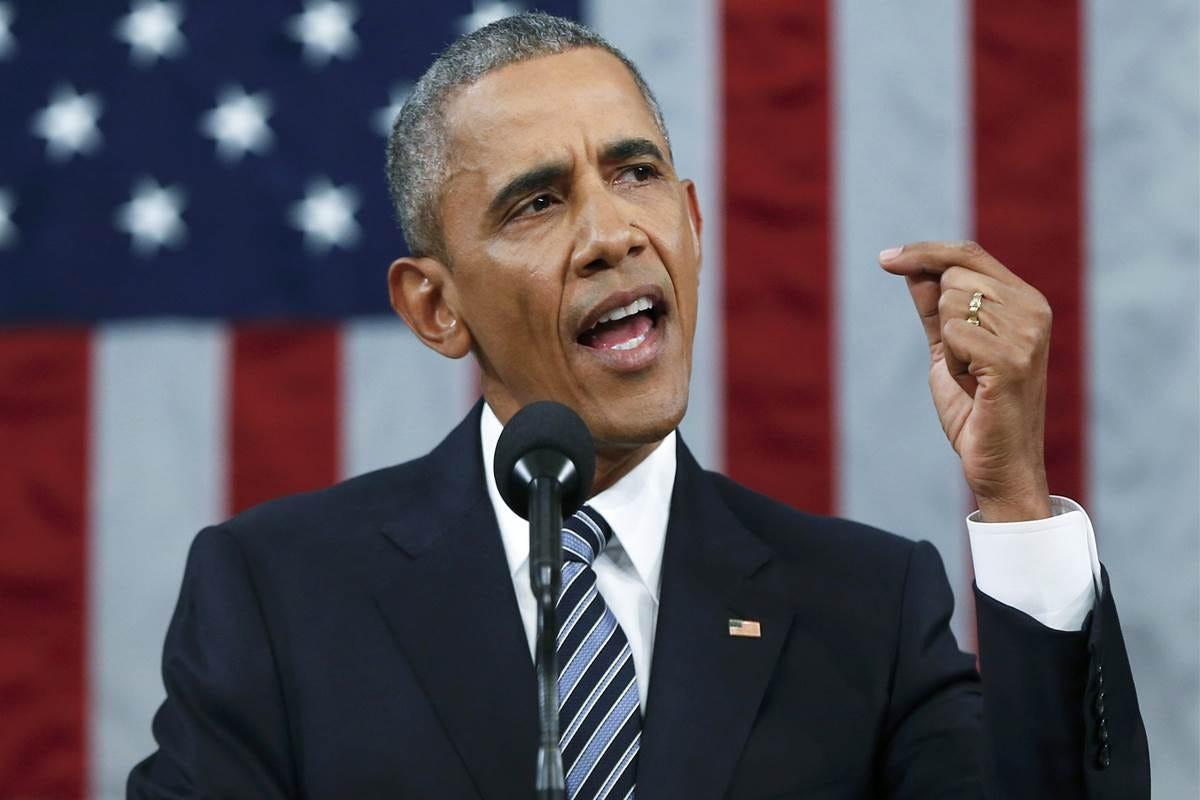
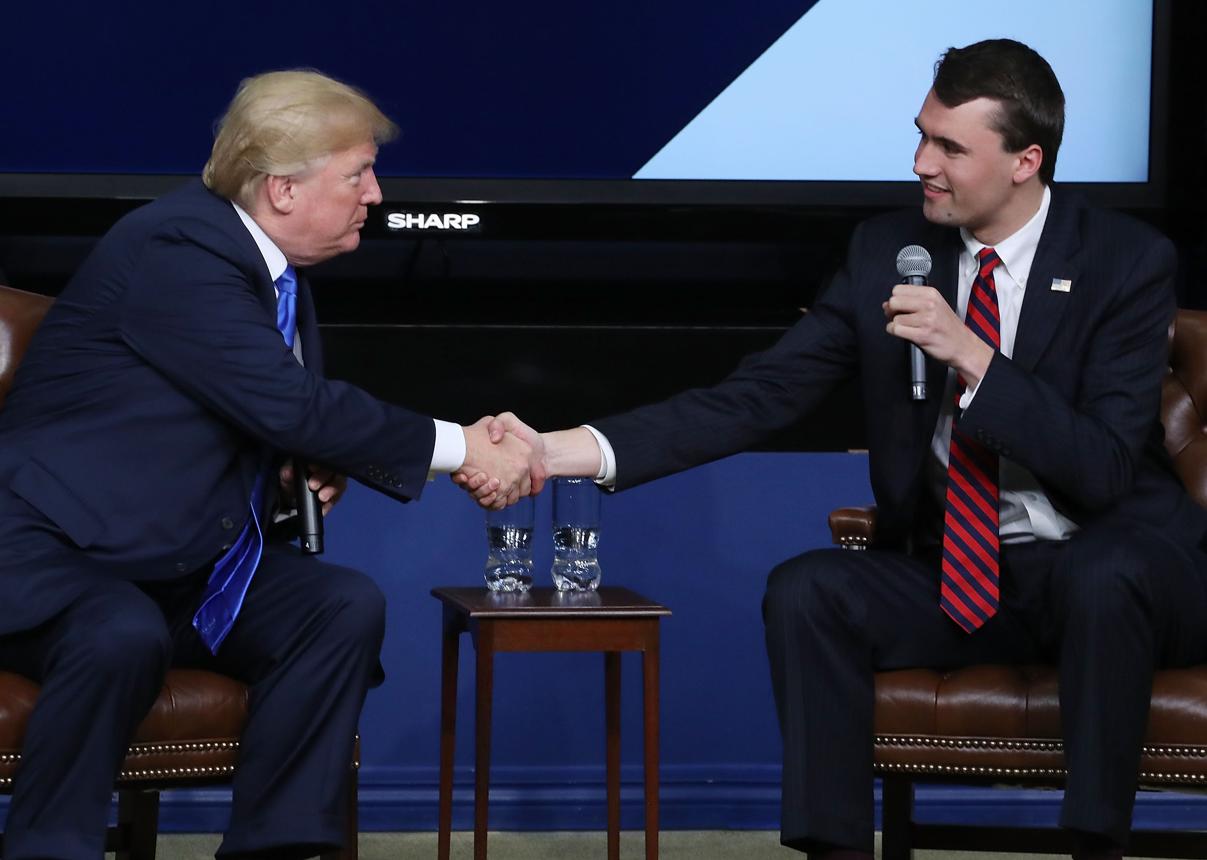
You can trace an important part of the modern culture war through the Obama years.
America elected its first Black president.
Then elected him again.
And alongside that historic moment came an extraordinary backlash.
Donald Trump became one of the most prominent promoters of the false idea that Barack Obama might not have been born in America.
Think about how bizarre that was.
Obama hadn’t somehow sneaked into the White House.
Americans voted for him.
Millions of them.
Twice.
Yet somehow America’s first Black president could still become the subject of an enormous conversation about whether he was really American.
America’s racial divisions obviously existed centuries before Barack Obama.
But his presidency exposed something.
For the first time, a Black man and his Black family weren’t simply participating in American society.
They occupied the White House and symbolically represented America itself.
Then came Trump.
An enormous culture-war ecosystem developed around it.
Charlie Kirk became one of its most effective younger operators.
NO PASSPORT REQUIRED
America exported it
The personalities travelled.
The vocabulary travelled.
The grievances travelled.
The enemies travelled.
The racial politics travelled.
The memes travelled.
The conspiracy theories travelled.
The algorithms made sure none of it needed a passport.
THE KILLING
Then the rhetoric met reality
There is now an entire secondary culture war surrounding why Charlie Kirk was killed.
I’ve heard the theories.
That he had started turning against Trump.
That he had fallen out with people inside the movement.
That changing positions on Israel had made him dangerous to somebody.
That somebody inside his own political world wanted him gone.
And inevitably, because this is the internet, fragments become:
Maybe.
But maybe is not evidence.
Sometimes I think we are so conditioned to look for an enormous conspiracy that we overlook the frighteningly ordinary danger sitting directly in front of us.
America has an extraordinary number of firearms in civilian hands.
Now combine that with political polarisation.
That is combustible.
Kirk’s professional model involved walking directly into contentious subjects.
Race. Gender. Abortion. Guns. Immigration. Religion. Trump. Israel. DEI. Universities.
He would sit in public with a microphone, invite people who hated his politics to challenge him and turn the confrontation into content.
Again:
The responsibility for a shooting belongs to the person who decides to shoot.
But I also don’t believe speech exists in a vacuum.
The more inflammatory and confrontational a political environment becomes, the greater the possibility that somebody eventually responds not with another argument, but with violence.
Especially in a country where firearms are extraordinarily accessible.
BRITAIN ISN’T IMMUNE
Plymouth should have taught us that
We don’t have America’s gun culture.
But we are hardly immune from isolated, radicalised people becoming violent.
Think about Plymouth.
Jake Davison.
A young man immersed in online grievance and incel culture who legally possessed a shotgun.
Five people murdered.
Then he killed himself.
Different politics.
Different circumstances.
Different country.
I am not pretending they are equivalent cases.
But there is a common warning underneath them.
Words, grievance, algorithms, isolation and weapons can become a dangerous mixture.
Online political culture does not exist in a sealed digital universe.
Eventually somebody closes the laptop.
Eventually somebody leaves the bedroom.
Eventually somebody goes outside.
Most people do absolutely nothing violent.
But you only need one person who does.
BACK IN ENGLAND
An English patriot wearing an American political identity
Which brings me straight back to that English bloke wearing the Charlie Kirk T-shirt.
Maybe that is why I struggle to answer the question:
Yaxley-Lennon isn’t really it.
Farage isn’t really it.
Perhaps Britain simply hasn’t produced that precise combination of young political organiser, campus antagonist, media personality, fundraiser, culture warrior and political powerbroker.
And perhaps we don’t need to.
So you can stand on a job somewhere in England, present yourself as fiercely English, and literally wear an American culture-war personality across your chest.
There’s something wonderfully contradictory about that.
You’re telling everybody how British you are while importing part of your political identity from the United States.
AND THEN THERE’S MARIAH
Melodies, not mediocrity
And then, almost perfectly, Mariah Carey somehow wanders into the story.
She is asked about Charlie Kirk and essentially says she doesn’t really know who he is.
And apparently even not knowing who somebody is can now become a political statement.
Then the internet does what the internet does.
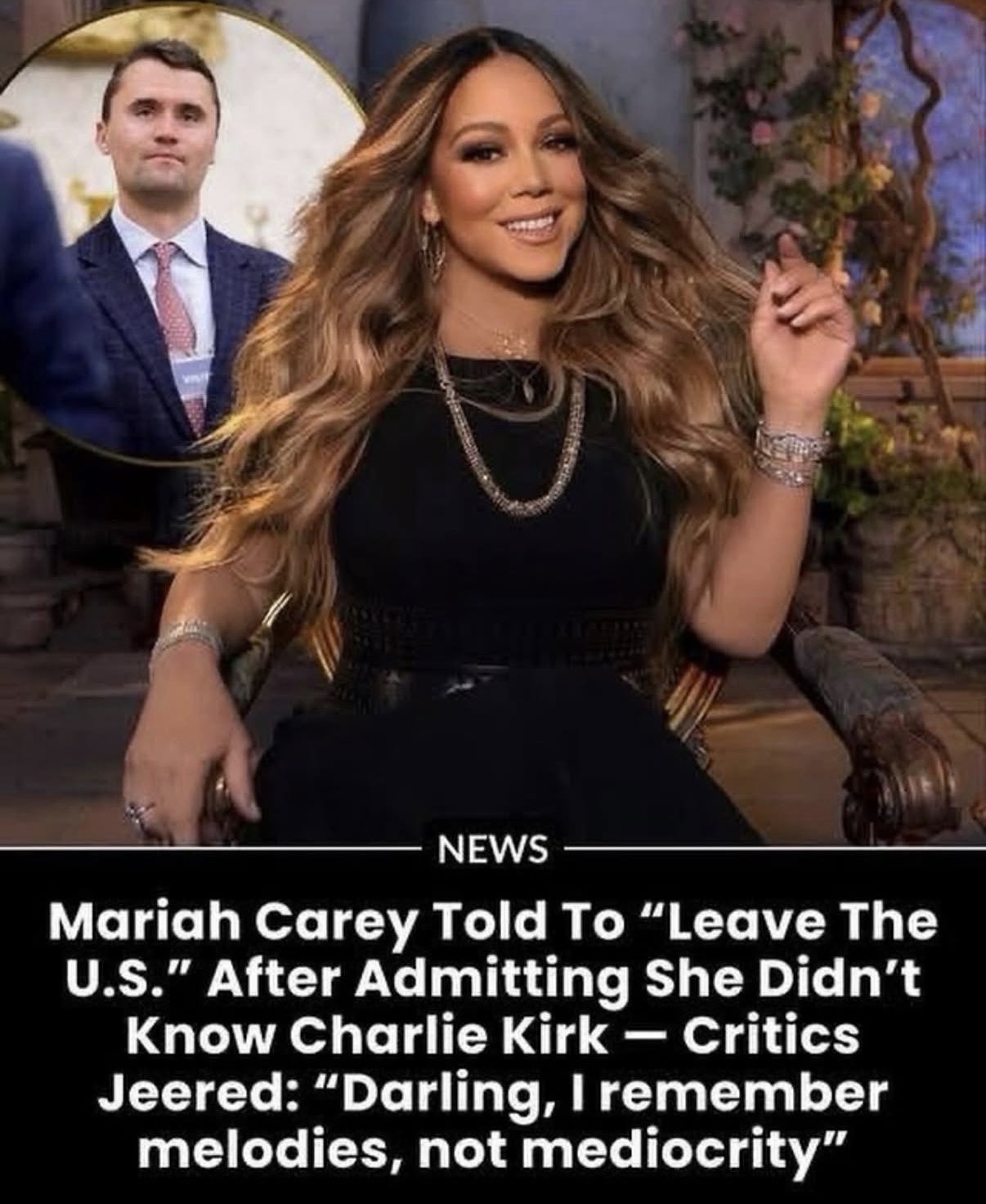
Did Mariah actually say: “Darling, I remember melodies, not mediocrity”?
I’m certainly not treating a meme as an authenticated Mariah Carey quote. 😂
But whoever wrote it understood the assignment.
Because underneath the joke is something I genuinely find fascinating.
Political movements travel.
Culture wars travel.
Grievance travels.
Misinformation travels.
Fear travels.
Outrage travels.
Until eventually you can find yourself standing in England, talking about protecting British culture, British values and British identity…
Maybe that’s what struck me about that bloke more than anything else.
Not the T-shirt itself.
What the T-shirt represented.
An English patriot wearing an American political identity.
Meanwhile, Mariah is somewhere remembering melodies.
I’ll take the melodies. 🎵