
The frameworks beneath behaviour.
Structures are what patterns become when they stabilise.
Structures are recurring frameworks that organise behaviour.
They create expectations, define limits and shape outcomes.
Most systems are experienced through structure long before they are understood.
THE FRAME SHAPES THE MOVE.
Behaviour appears individual. But the available paths are often defined before the individual enters the system.
-
01
Institutions creating consistency
-
02
Rules shaping incentives
-
03
Economic systems directing opportunity
-
04
Invisible boundaries guiding behaviour
-
05
Frameworks surviving individual actors
Structures determine what becomes normal.
They reward some behaviours and discourage others.
Change the structure and outcomes often change with it.
Structures reinforce themselves through repetition.
The longer they exist, the harder they become to notice.
Stability often disguises influence.
IN PRACTICE
Examples of structures in motion.
-
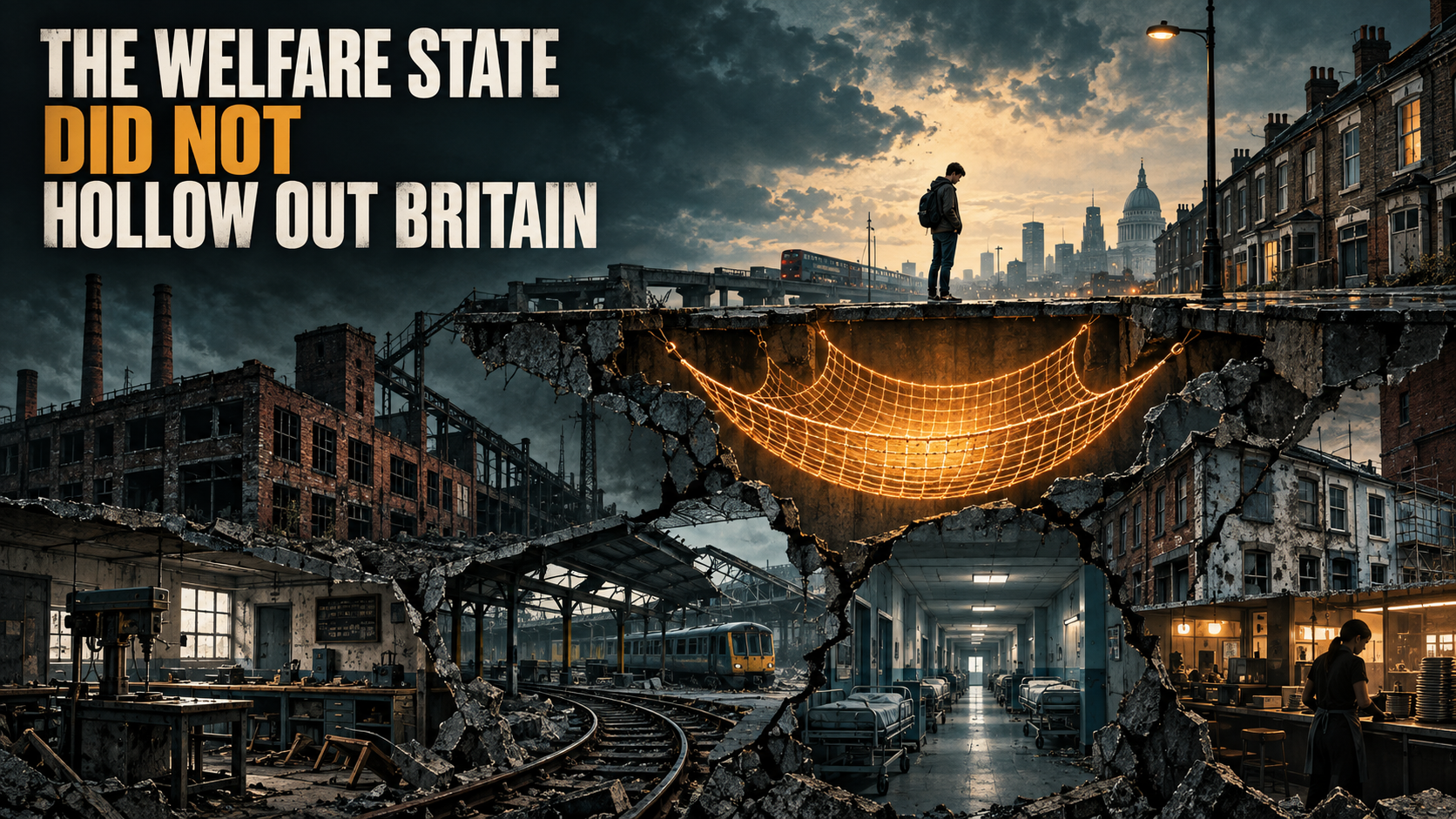
The Welfare State Did Not Hollow Out Britain
🕸️ Britain’s welfare system is catching the consequences of low pay, poor health, weak training, expensive housing and industrial decline, not creating them. 🇬🇧
-
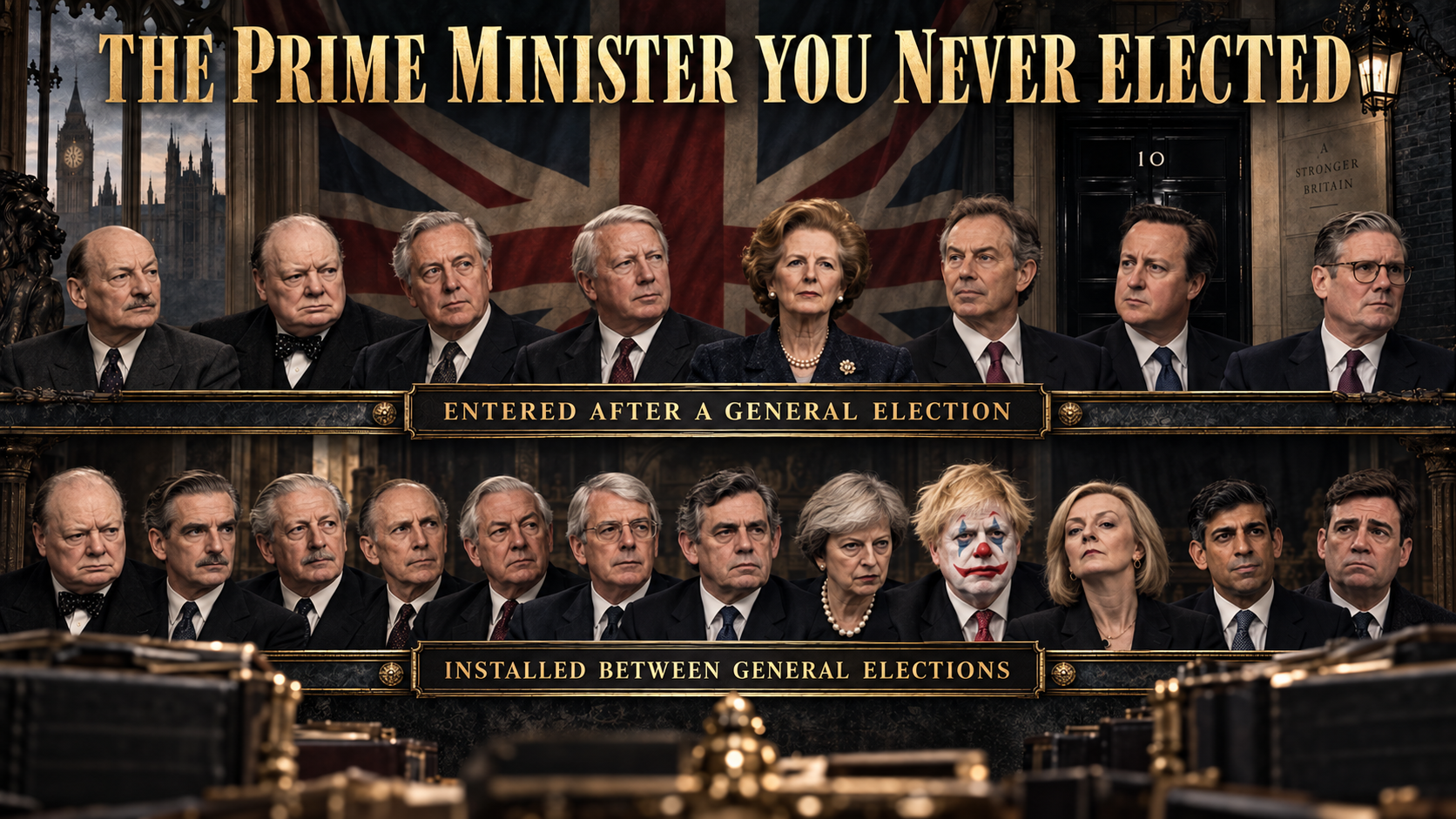
The Prime Minister You Never Elected
Britain campaigns as though voters choose a prime minister—then allows political parties to replace that leader without returning to the country. 🗳️👑
-
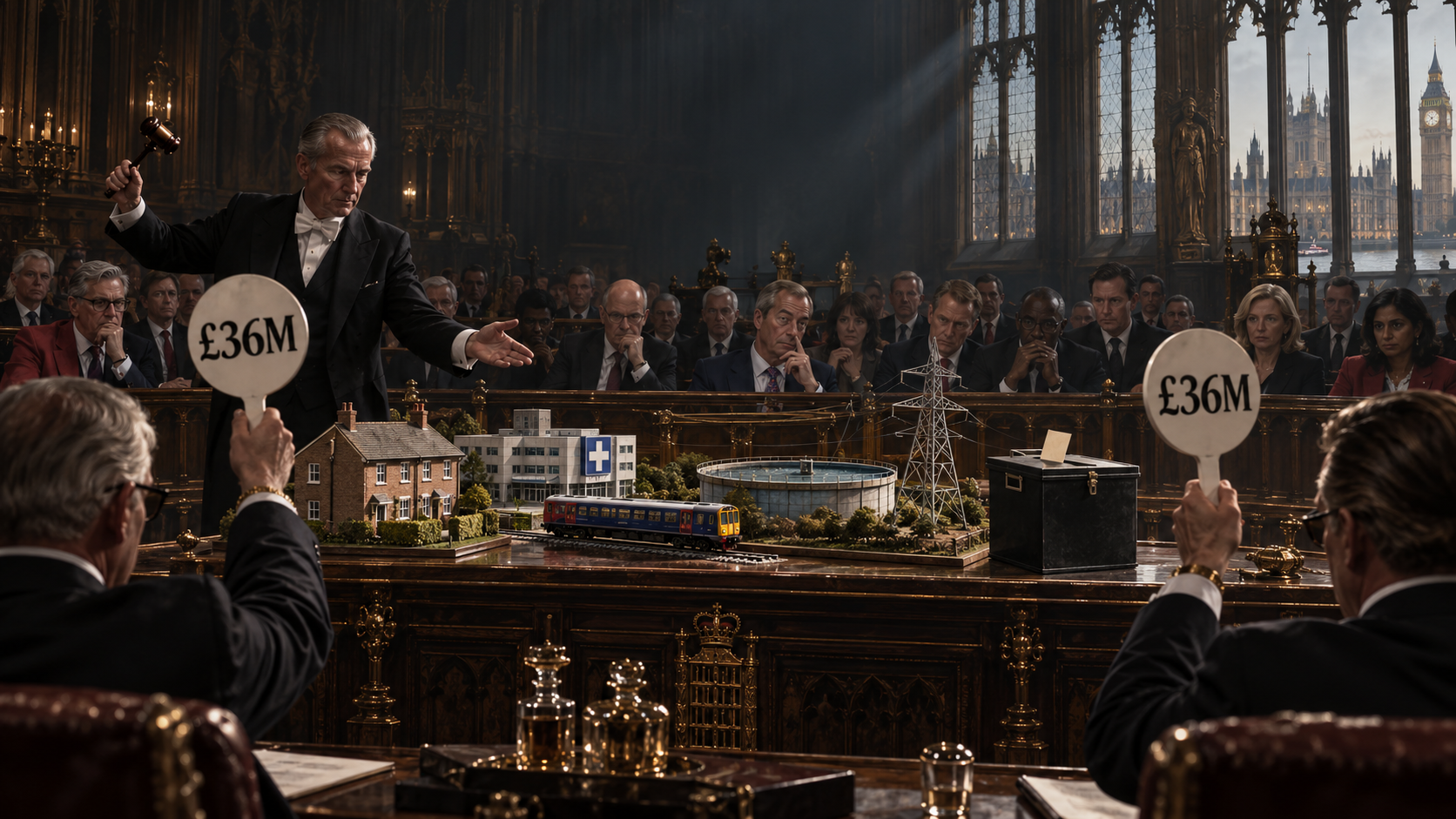
Britain Was Never Made Fair
Britain did not suddenly become unequal. It dismantled the protections that restrained inherited wealth, private power and political influence. Farage’s £72 million merely exposed what was already there. 💷🇬🇧
-
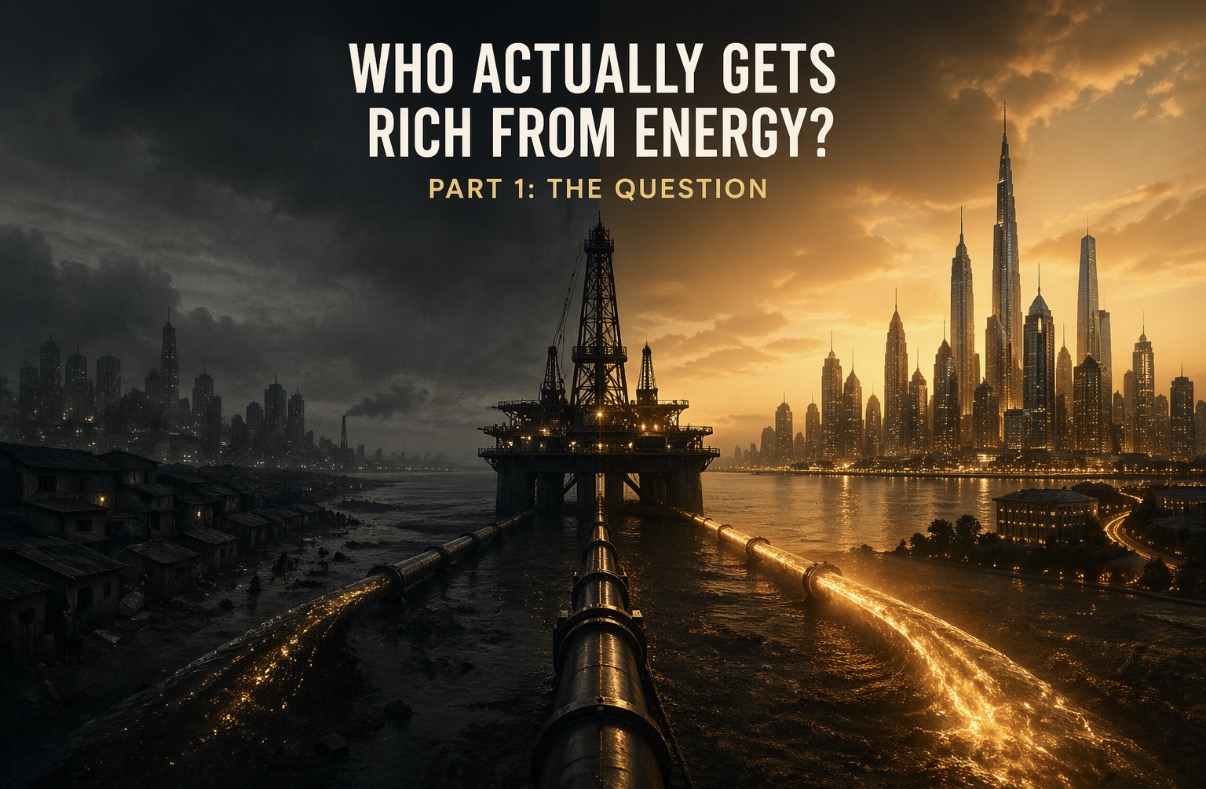
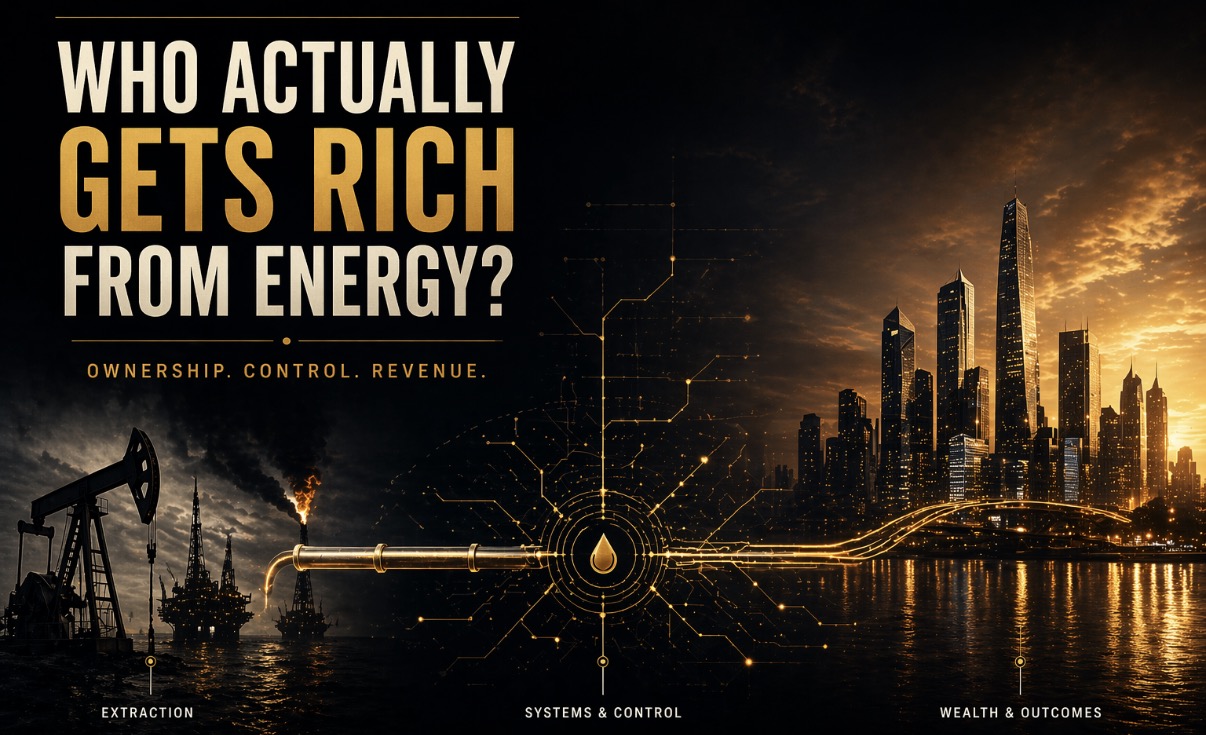
Who Actually Gets Rich From Energy? — Part 1: The Question
⚡ Same oil. Same gas. Completely different outcomes. The question isn’t simply which countries possess valuable energy resources — it’s who owns them, who controls the revenue and what system exists to capture the wealth.
-
Who Actually Gets Rich From Energy?
⚡ Energy can make a country extraordinarily rich. But having oil, gas or electricity does not decide who benefits. Ownership, taxation, institutions and political choices determine where the money actually goes.
-
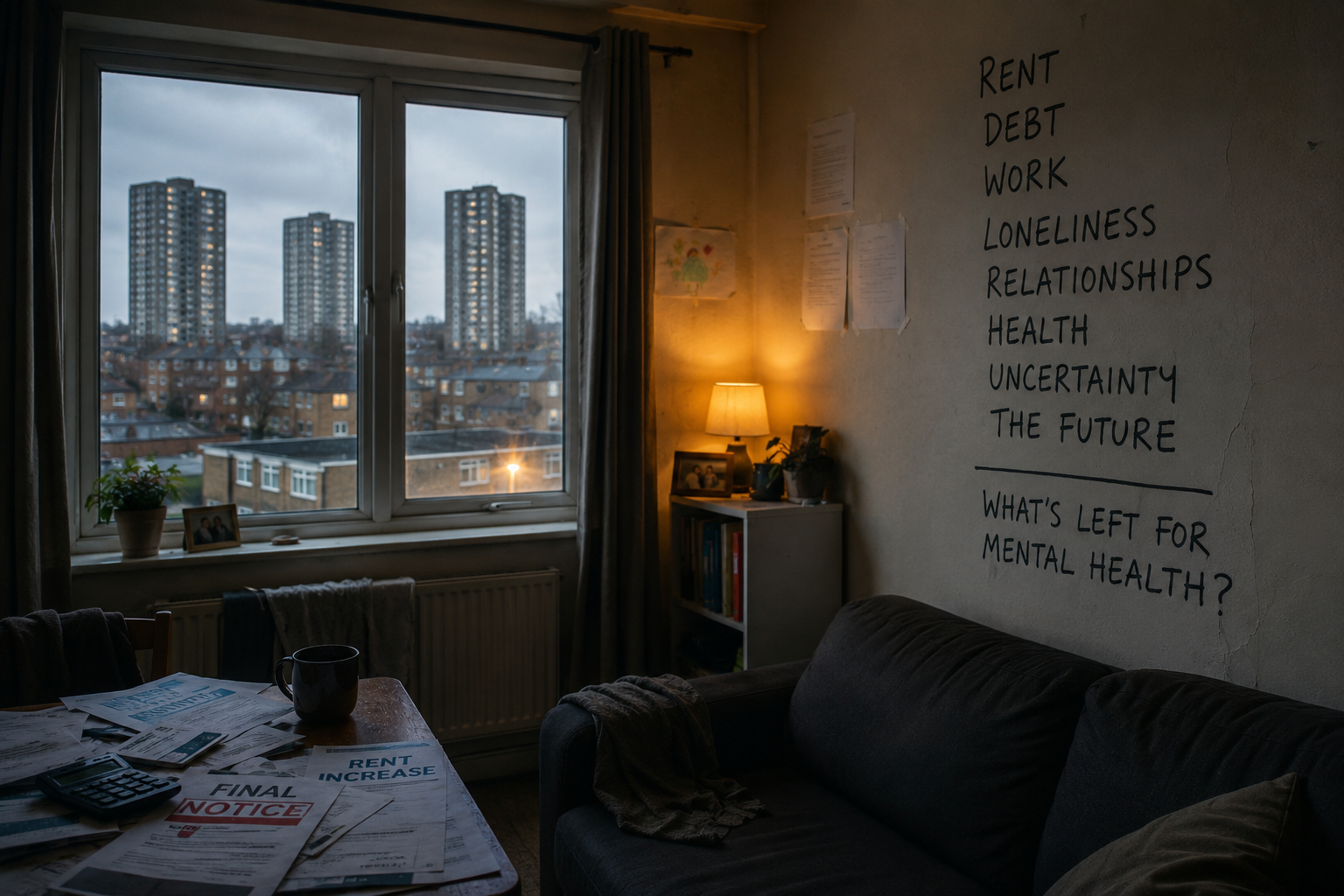
You Cannot Treat the Person and Ignore Their Life
🧠 Mental health doesn’t begin and end inside somebody’s head. Rent, debt, work, housing, relationships, loneliness, discrimination and uncertainty all matter. What happens when treatment ends but life stays the same?
Frameworks create incentives.
Structures determine what is rewarded, what is restricted, and what becomes normal.
When behaviour settles into structure, power begins to emerge.
PEOPLE CHANGE.
STRUCTURES REMAIN.
STRUCTURE CREATES INCENTIVE.
INCENTIVE SHAPES BEHAVIOUR.
CONTROL OF STRUCTURE CREATES POWER.