Still running.
Working less.
WHEN SYSTEMS STOP EVOLVING AND START MAINTAINING THEMSELVES.
Decline is not collapse.
It is what happens when systems continue to operate — but stop improving.
They maintain stability while losing effectiveness.
Over time, performance drops, but the structure remains.
THE SYSTEM DOESN’T DISAPPEAR. ITS CAPACITY DOES.
- 01 Services still existing but performing worse
- 02 Systems running on past success rather than present strength
- 03 Increasing effort required for the same outcomes
- 04 Slow erosion rather than sudden failure
- 05 Stability masking underlying weakness
Decline is easy to ignore because it is gradual.
Nothing breaks all at once.
But over time, the gap between expectation and reality grows.
Systems in decline often protect themselves.
They resist change while preserving structure.
The longer decline continues, the more normal it begins to feel.
IN PRACTICE
Examples of decline in motion.
-
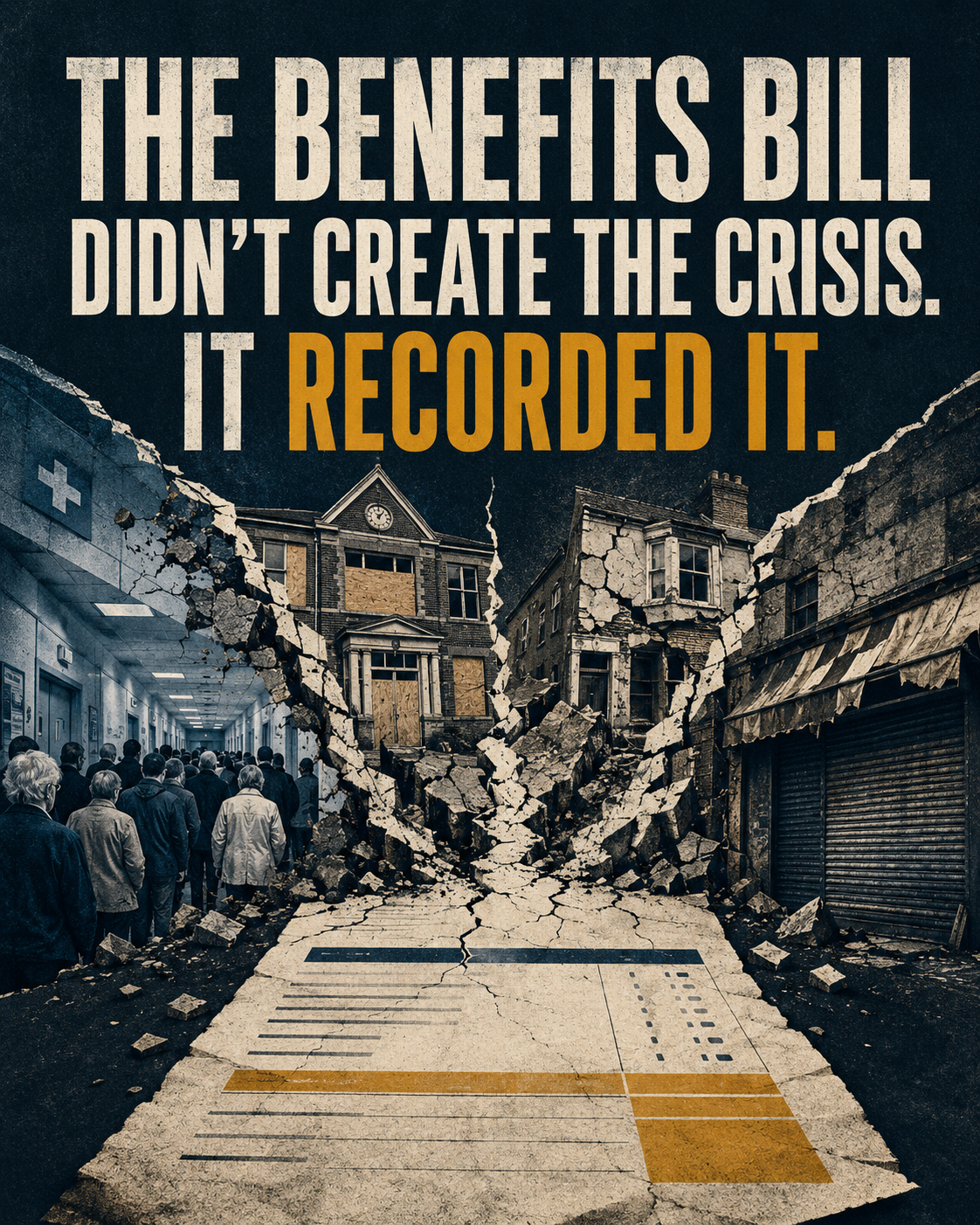
The Benefits Bill Didn’t Create the Crisis. It Recorded It.
♿ Britain keeps redesigning disability benefits while ignoring the failing systems pushing more people towards them. The bill didn’t create the crisis — it recorded what decades of pressure had already produced. 📉
-
Send Them Back?
🖤 Some societies measure themselves by what they defend. Others by what they ignore. When values stop at the border, decline begins. A reflection on belonging, removal and what “send them back” really asks us to become.
-
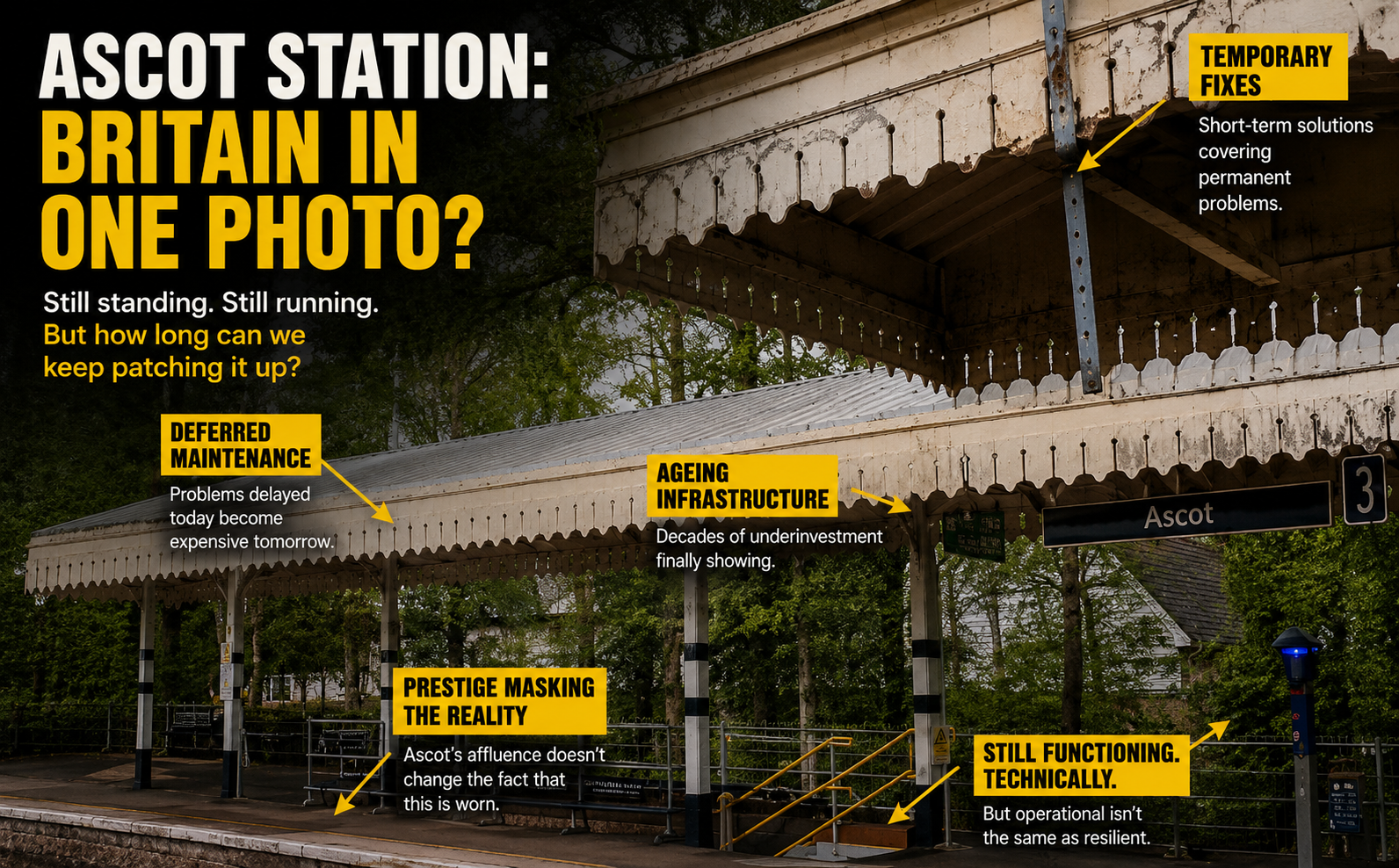
Ascot, Priorities And The Cost Of Letting Things Age
🚉 Ascot is one of Britain’s wealthiest postcodes, yet even its station feels tired. Not collapsing. Not abandoned. Just ageing. A small reminder that decline rarely arrives all at once. 🇬🇧
-
When £30 a Month Gets You Nowhere: A Frustrating Experience at Bracknell Leisure Centre
£30/month for a swim… but still need to book, no clarity, and poor service. 🏊♂️💷 Another small example of paying more and somehow getting less.


CONNECTION
Decline does not happen in isolation.
It creates pressure from what comes next.
DECLINE DOESN’T ANNOUNCE ITSELF.
IT BECOMES VISIBLE ONLY WHEN
COMPARISON BECOMES UNAVOIDABLE.