Where Did All The Toilets Go?
The Disappearance
You don’t notice public toilets when they’re there.
That’s the point.
They sit quietly in the background.
Unremarkable. Unseen. Available when needed.
And then one day, they’re not.
It didn’t happen all at once.
There was no announcement.
No moment where someone said:
“We’re removing public toilets.”
They just started closing.
One here. One there.
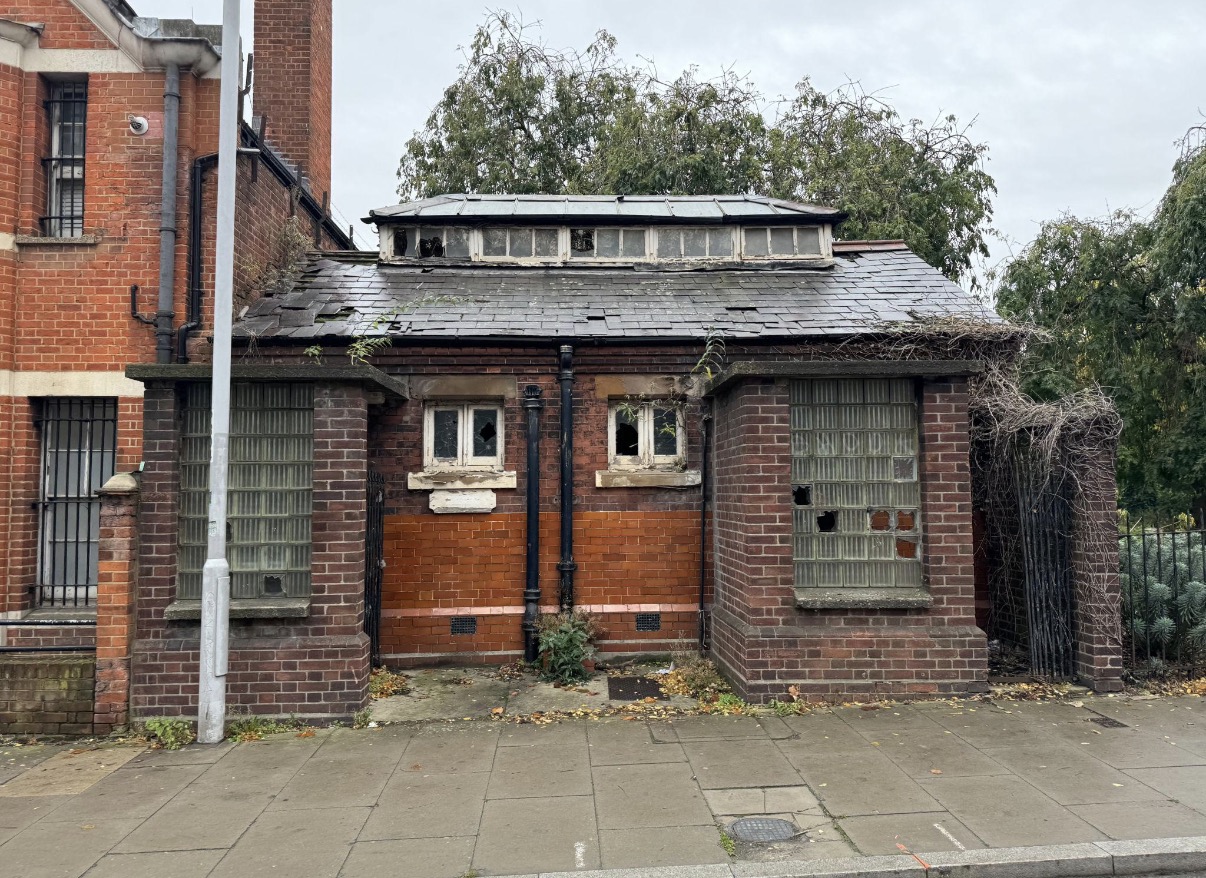
Locked doors.
Out of order signs that never came down.
Entrances sealed off and forgotten.
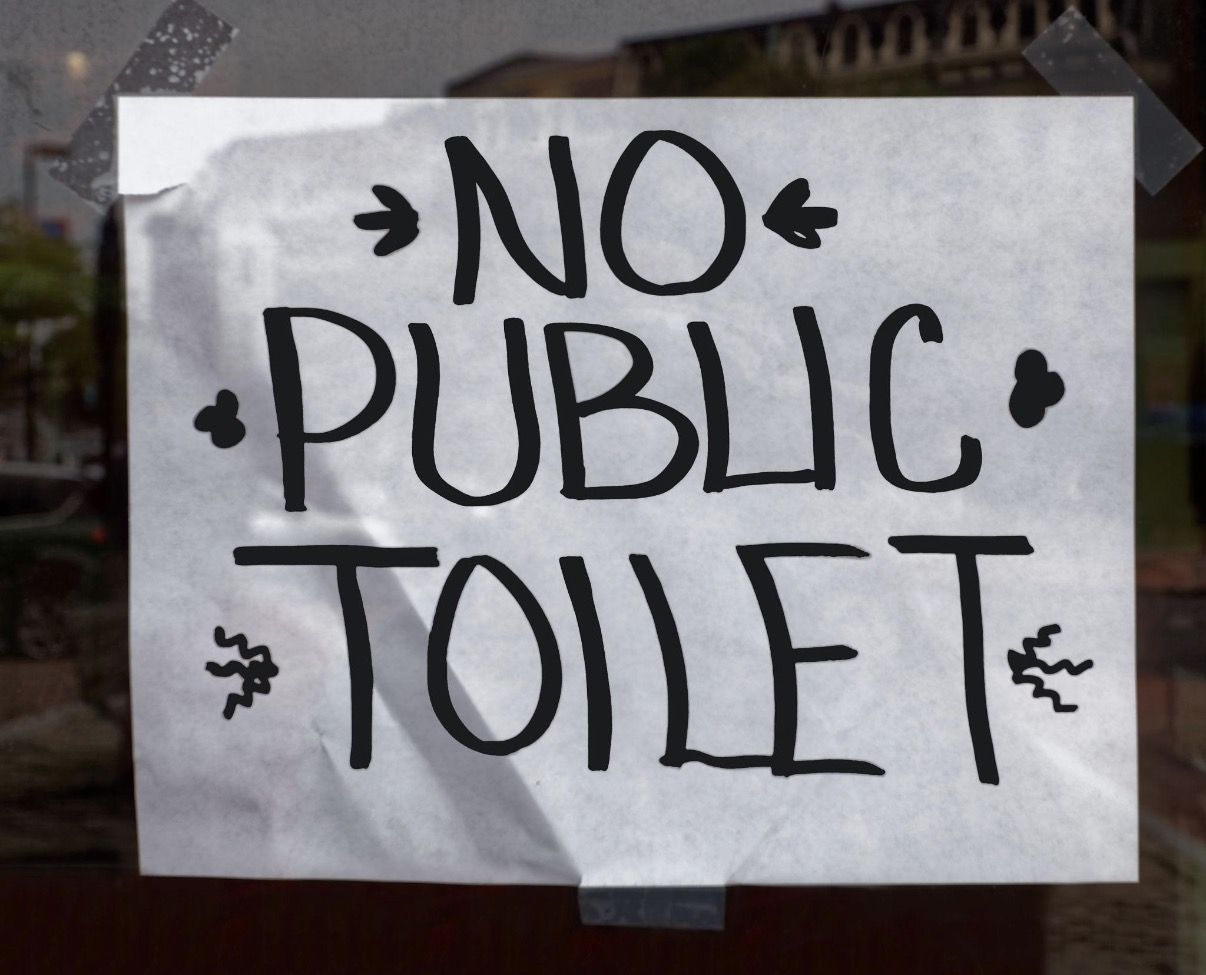 ACCESS / REMOVED
If you’ve been around long enough, you remember them.
Underground toilets.
Street-level ones.
The kind you didn’t think about — because you didn’t have to.
Now think about how often you see one.
Not a café.
Not a pub.
Not somewhere you have to ask permission or buy something.
A public toilet.
You don’t.
That’s not an accident.
It’s a decision.
Local councils cut costs.
Maintenance gets labelled as non-essential.
Cleaning becomes a problem.
Vandalism becomes an excuse.
So they close them.
And once they’re gone, something shifts.
Not dramatically.
Just quietly.
You start planning differently.
You leave the house already thinking about where you might go.
You notice places that will let you in.
You remember codes.
You rely on habit.
You adapt.
And that’s how it sticks.
Because once people adapt to something worse,
it stops looking like a problem.
But it is.
Because removing something simple creates pressure elsewhere.
On businesses.
On workers.
On anyone who can’t just step away when they need to.
It turns a basic function into a negotiation.
Where can I go?
Will they let me in?
Do I need to buy something?
Is it worth asking?
If you’re on a route, a shift, a system that doesn’t bend?
You already know the answer.
You hold it.
Again.
This is how things disappear in this country.
Not through collapse.
Through quiet removal.
No one argues for them.
No one campaigns for them seriously.
No one builds them back.
They’re just… gone.
And once something becomes normal — even if it’s worse,
it becomes invisible.
Until you need it.
This isn’t just about toilets.
It’s about what happens when something basic is taken away,
and nothing replaces it.
Because if something this simple can disappear without resistance…
what else already has?