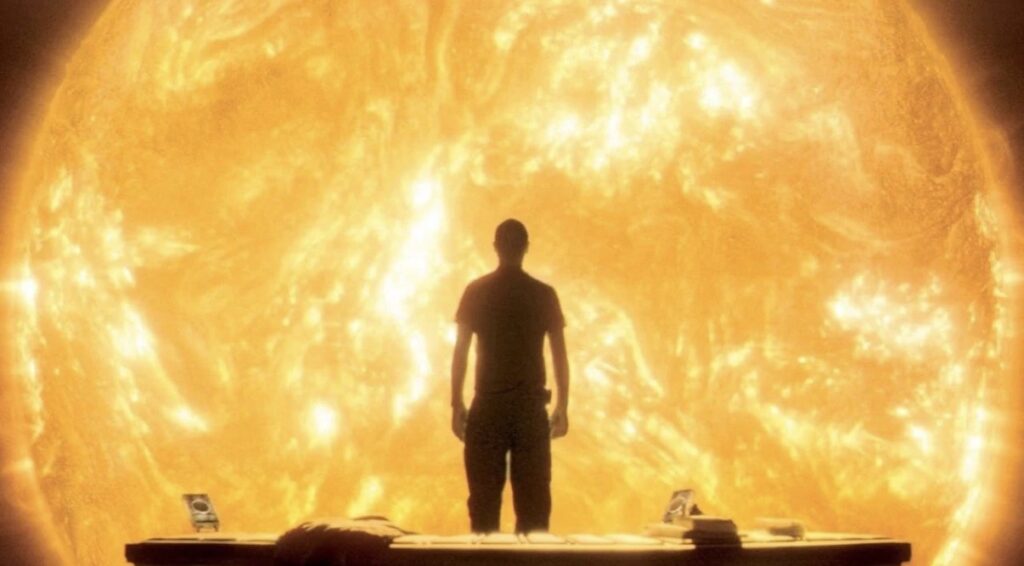
Watching Sunshine in 2026, one thing becomes almost impossible to ignore: just who is on board Icarus II.
What was already an impressive international ensemble in 2007 now looks extraordinary. Nearly two decades later, the faces travelling towards the Sun belong to Oscar winners, television leads, blockbuster stars and actors who would become familiar across some of the biggest franchises in the world.
But that’s only part of why Sunshine still works. Strip away everything those actors became afterwards and the film remains an extraordinary piece of science fiction: beautiful, claustrophobic, philosophical, frightening and occasionally completely fucking mad.
Icarus II
The year is 2057. The Sun is dying and Earth is freezing.
Humanity’s answer is Icarus II: a spacecraft carrying eight crew members and an enormous stellar bomb. Their job is to fly towards the Sun, deliver the payload and attempt to restart the star that makes life on Earth possible.
There was an Icarus I.
It disappeared.
That’s really all anybody needs to know before watching it. Because underneath the technology, the physics and the scale of the mission, Sunshine is ultimately about a tiny group of human beings travelling towards something no human being was ever designed to approach.

The interesting thing about the cast isn’t simply that Danny Boyle assembled a good one. Plenty of films have good casts.
It’s what happened to this one afterwards.
Look at these names now.
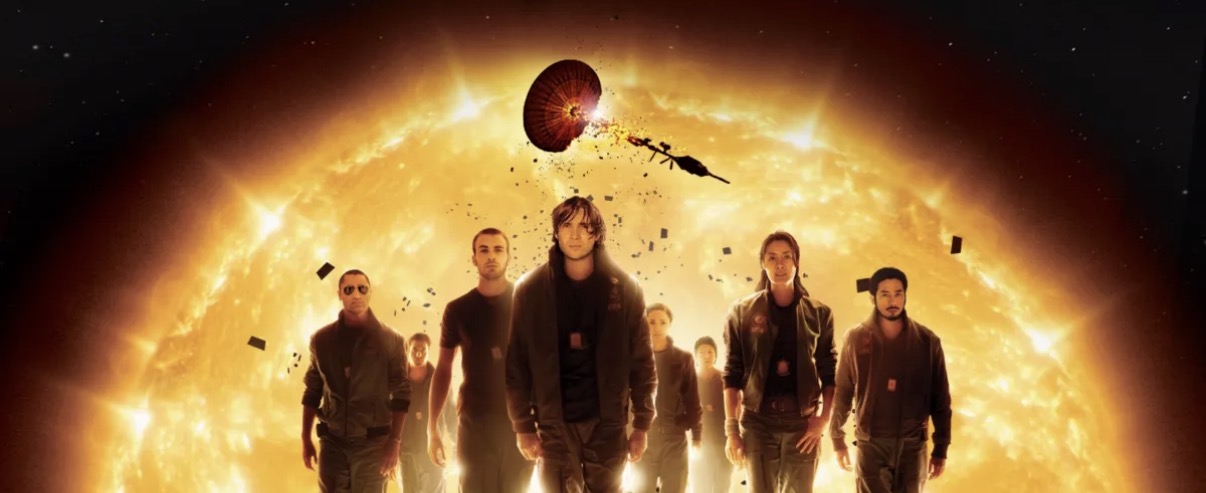
The Crew of Icarus II
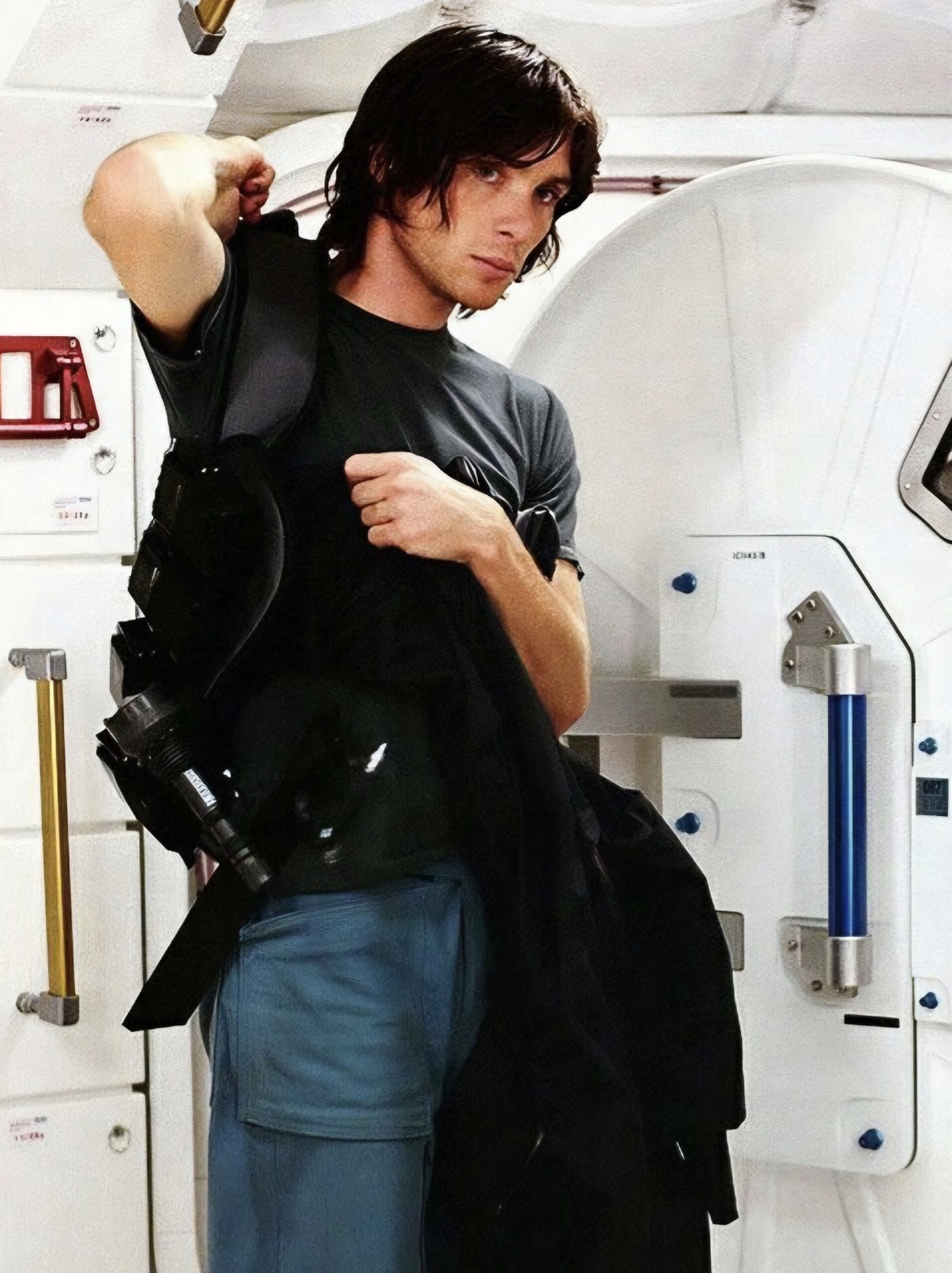
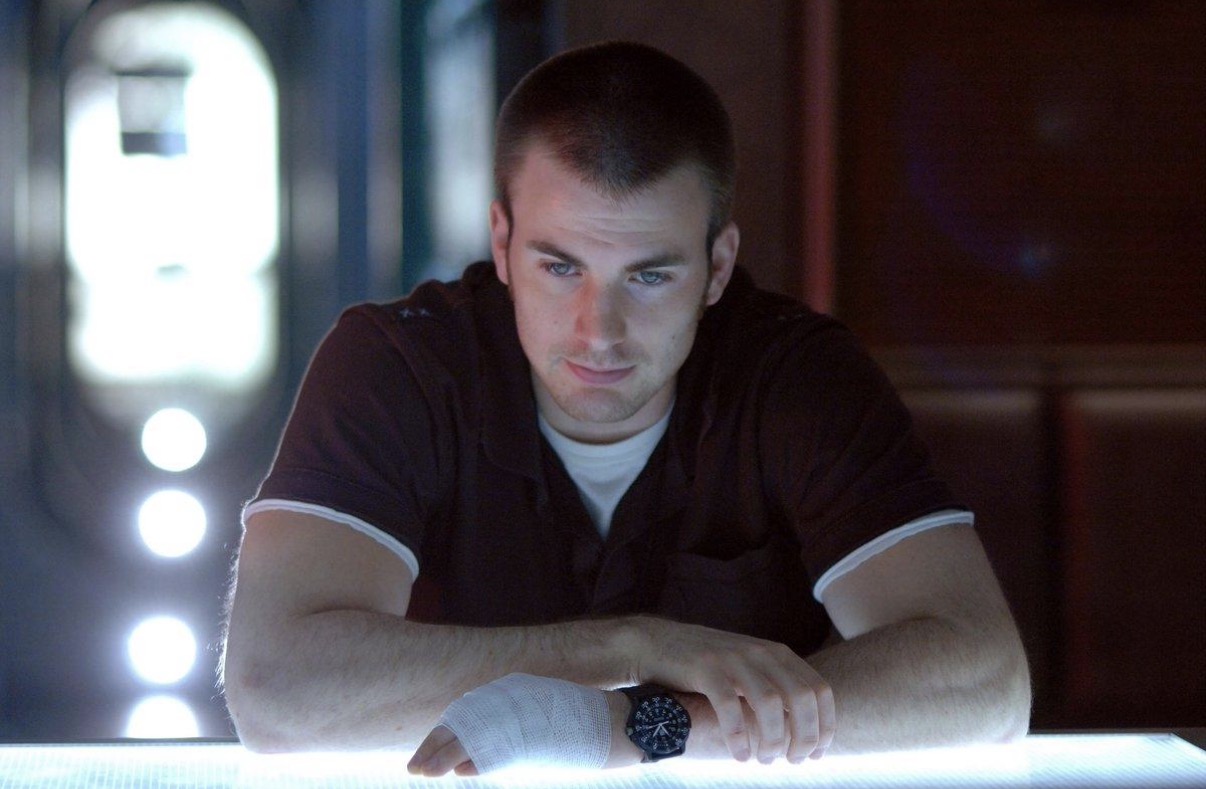
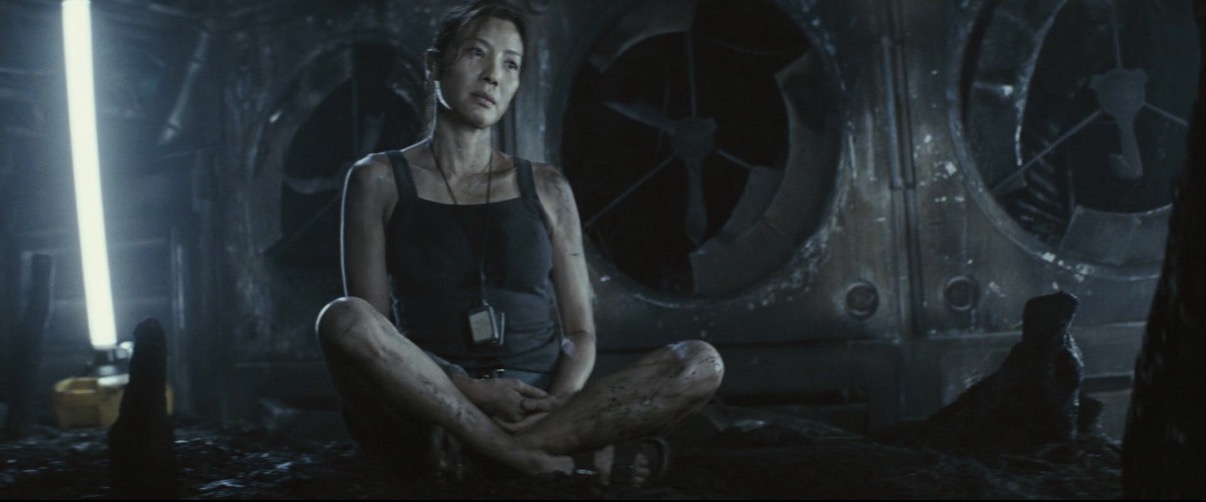
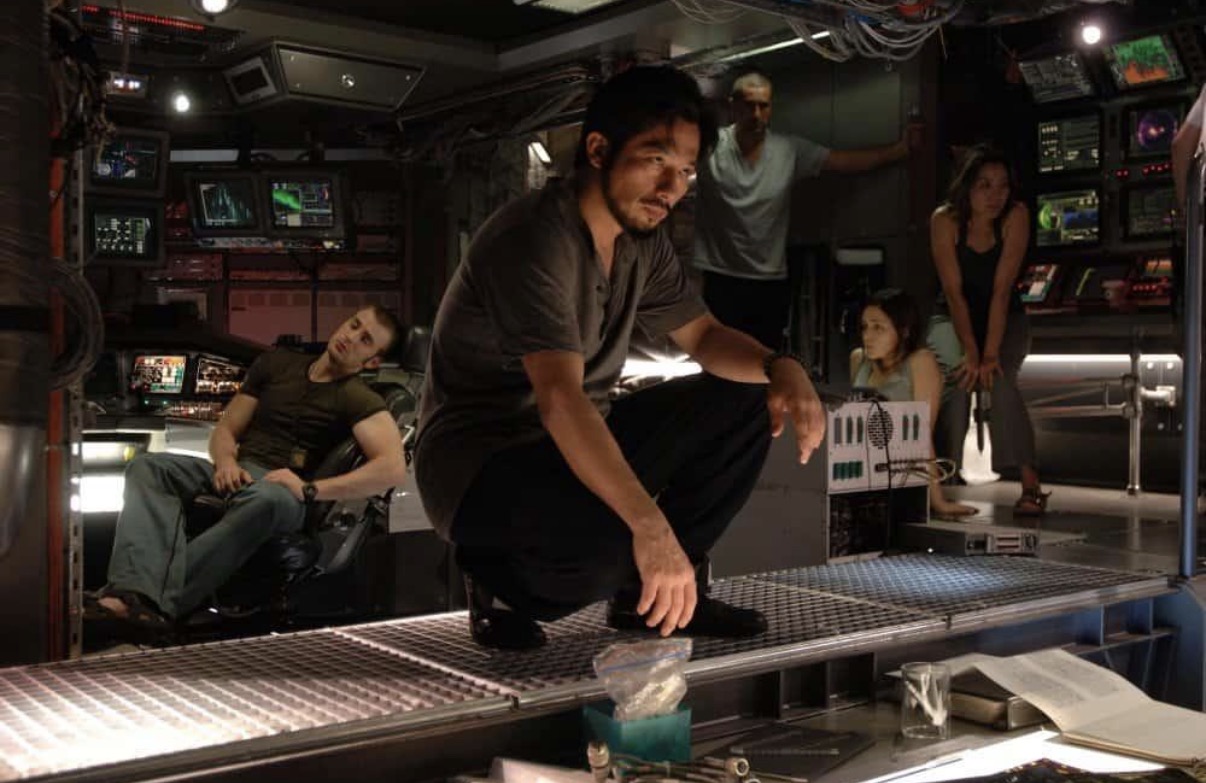
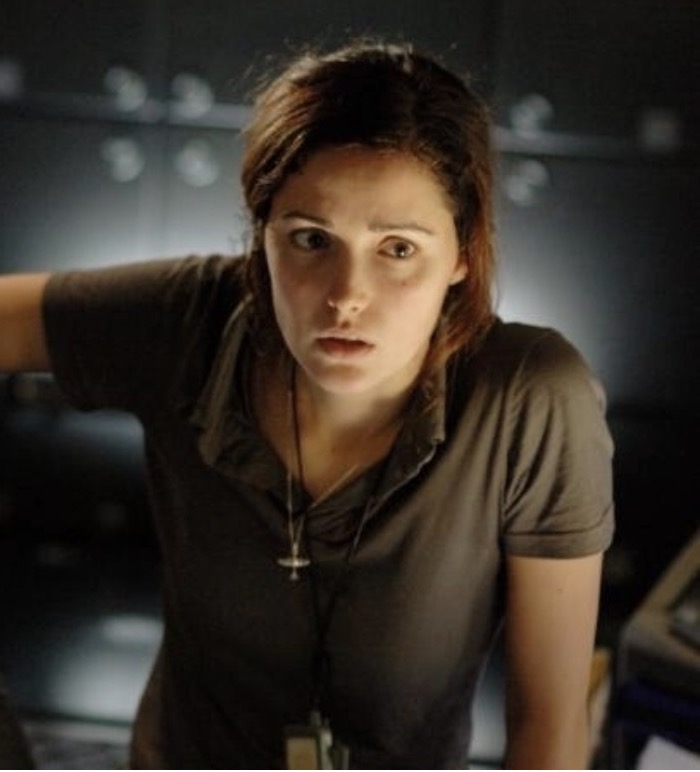

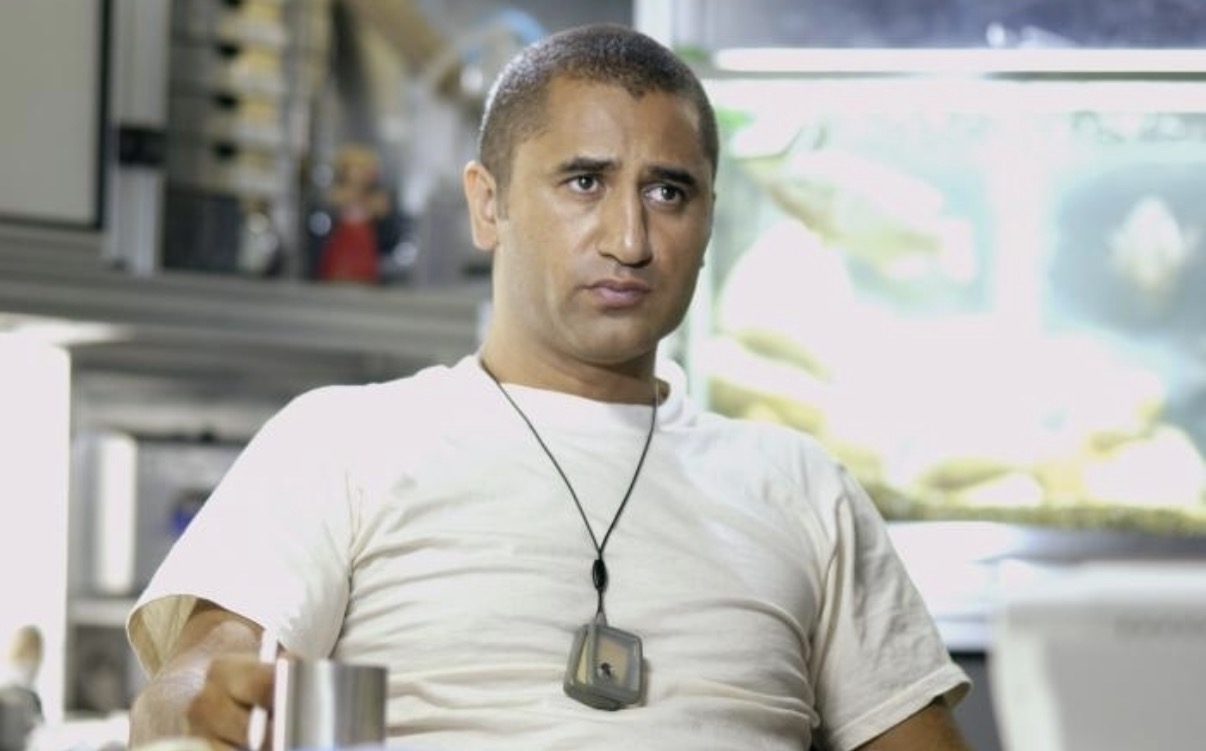
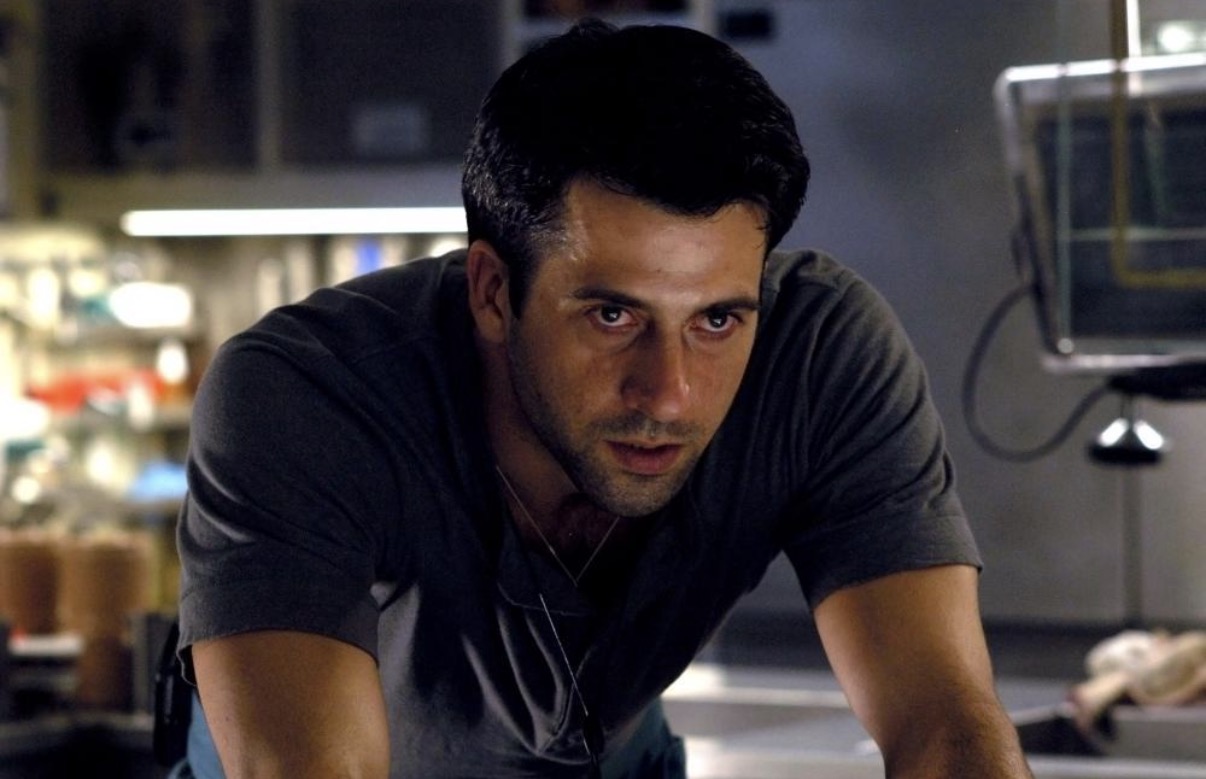
You don’t need a list of everything they’ve made since. That’s almost the point. Most of these faces now need very little introduction. Nearly twenty years later, Cillian Murphy and Michelle Yeoh are Academy Award winners. Others became central figures in enormous film franchises and major television productions.
Seen together again aboard Icarus II, it’s a remarkable snapshot of talent before much of what we now associate with these actors had even happened.
And Yet They Still Feel Like a Crew
That’s perhaps the most impressive thing about watching Sunshine now.
You know who these people became, but the film doesn’t suddenly feel like a collection of celebrities.
Chris Evans isn’t Captain America here. Cillian Murphy isn’t Oppenheimer. Michelle Yeoh isn’t an Academy Award-winning lead and Hiroyuki Sanada isn’t Lord Toranaga.
They’re Mace, Capa, Corazon and Kaneda.
Nobody is treated as the enormous star around whom everybody else revolves. Boyle needs the crew to feel like a functioning unit because the mission is bigger than any individual aboard the ship.
And when that unit begins to fracture under pressure, the film becomes much more interesting than a simple story about saving the world.
The Ninth Character
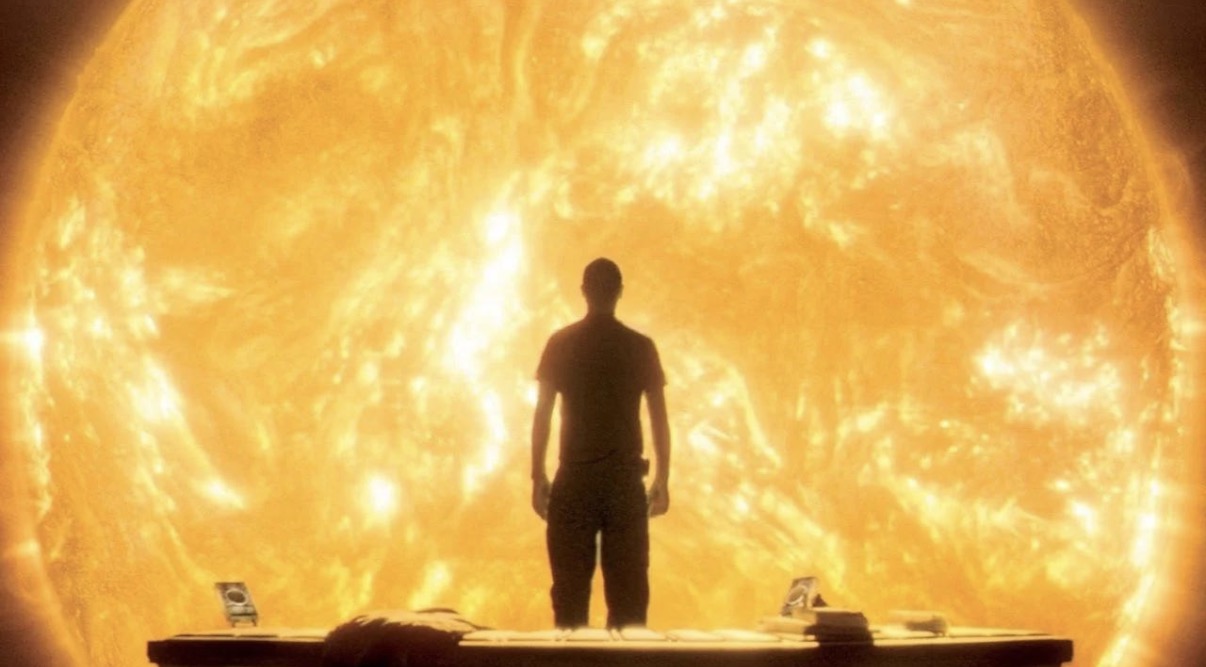
The Sun isn’t scenery in Sunshine.
It feels like another character.
Everything aboard Icarus II exists in relation to it. The enormous shield. The observation room. The changing levels of filtered light. The constant knowledge that outside the ship is something so powerful that direct exposure means death.
Searle, the ship’s psychologist, becomes increasingly fascinated by it. He doesn’t simply want to study the Sun. He wants to experience it.
That’s one of the things the film captures brilliantly: the crew are simultaneously trying to save the Sun, terrified of it and completely mesmerised by it.
The closer Icarus II gets to the Sun, the smaller humanity starts to feel.
Where Sunshine Gets Strange
And then Sunshine changes.
The first part feels like hard science fiction: calculations, engineering, oxygen reserves, trajectory changes and impossible decisions made under pressure.
Then Icarus II discovers Icarus I.
What follows pushes the film towards psychology, religion and eventually horror. That change is probably the most divisive part of Sunshine, because the film you finish isn’t quite the film you started watching.
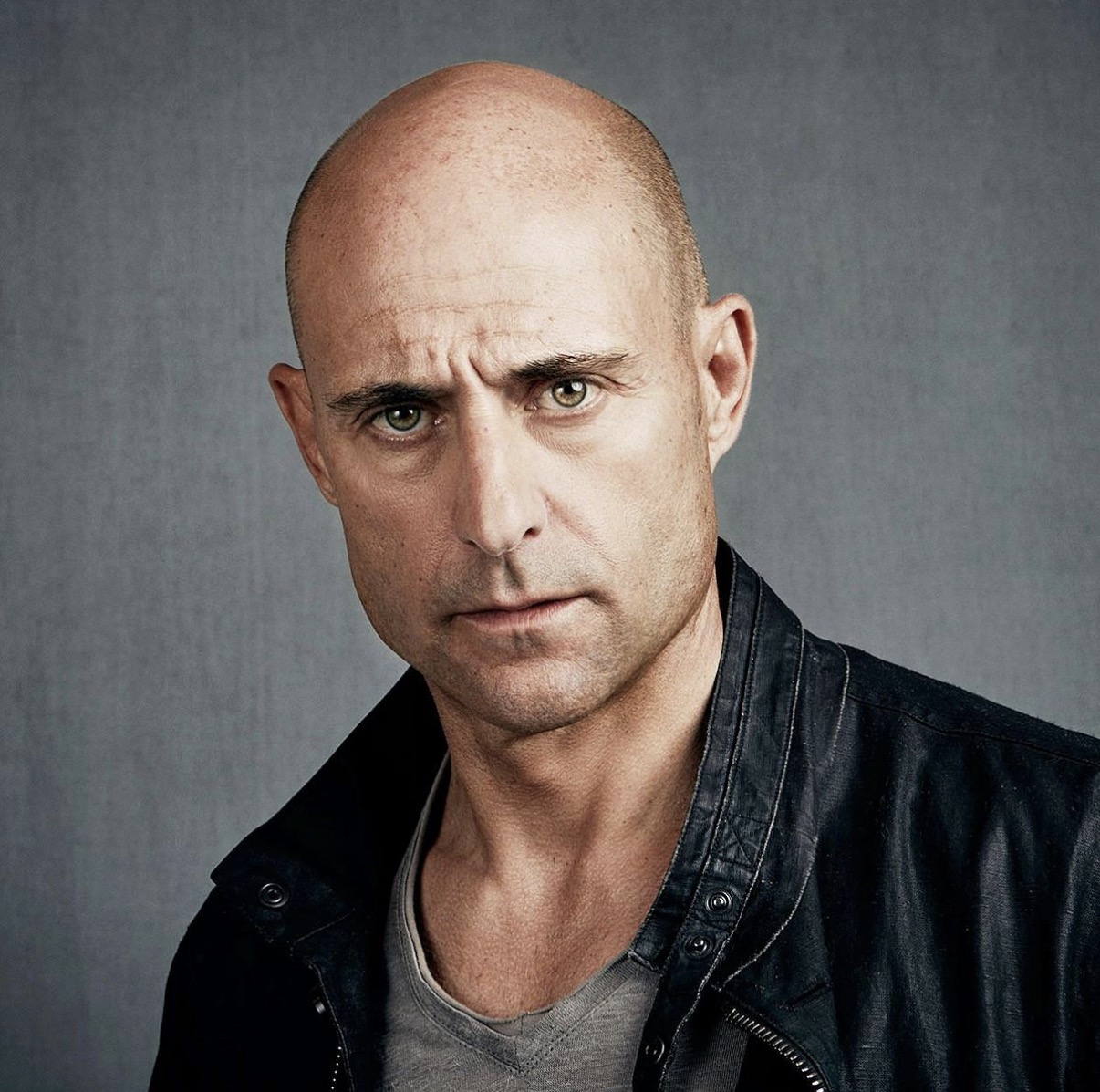
Mark Strong · Pinbacker
Pinbacker sees humanity’s extinction not as something to prevent, but as something that should happen.
Suddenly the central conflict becomes bigger than whether the bomb reaches its destination. Science has brought these people to the Sun, but different people begin finding completely different meanings in what they’re seeing.
The Sound of Sunshine
You can’t really separate Sunshine from its music.
John Murphy and Underworld created a score that moves between almost complete stillness and enormous emotional release. At its best, the music doesn’t simply accompany the images — it gives them scale.
Adagio in D Minor became much bigger than the film itself. But hearing it where it actually belongs still hits differently.
Combined with the cinematography, the sound helps make the Sun feel simultaneously beautiful and terrifying. There are moments when Sunshine isn’t really asking you to follow a plot at all.
It’s asking you to look.
The Film Stayed the Same. The Cast Didn’t.
That’s what makes watching Sunshine in 2026 particularly interesting.
The film hasn’t changed.
We have.
In 2007, these were actors playing the crew of Icarus II. Today it’s almost impossible not to bring nearly two decades of everything that followed with you.
You recognise careers that hadn’t happened yet. Awards that hadn’t been won. Characters that hadn’t been created. Franchises that hadn’t swallowed the box office.
And somehow Sunshine survives all of that hindsight.
In fact, it may be better for it.
Because underneath the extraordinary cast, the visual effects and the scale of the premise is a film about something surprisingly simple: what happens to human beings when they’re placed under unimaginable pressure and asked to decide what matters more — themselves or everyone waiting at home.
Beautiful, unsettling, ambitious and occasionally flawed. Nearly twenty years later, Sunshine still looks spectacular, still sounds incredible and — viewed with hindsight — contains one of the most remarkable ensembles of its era.