AN EDITORIAL INVESTIGATION INTO THE PAST WE KEEP REINVENTING
BRITAIN’S NOSTALGIA TRAP.
The country we remember. The country we lost. The country we invented.
Britain keeps looking backwards for answers to problems it has never properly confronted. Some things genuinely were better. Others were not. And some of what we miss was never really about the country at all.
Are we mourning the country Britain used to be — or the lives we used to have?
WHEN, EXACTLY, WAS BRITAIN GREAT?
Ask ten people when Britain was at its best and you might get ten different answers. The 1950s? The 1970s? The 1990s? Or the Britain we supposedly lost just before the referendum?
Memory is selective. We remember music, friendships, jobs and familiar streets. We forget cold houses, dangerous workplaces, discrimination and the costs of everyday life. Yet some losses — affordable housing, industrial careers, community institutions — are real.
“You are not always remembering a country. You are remembering a feeling.”
A COUNTRY IN SIX ACTS.
Explore the period, the progress and the contradictions. Open each chapter for the fuller story.
1945—1960sRebuilding a country
The postwar settlement helped establish the NHS and expanded public housing, education and social protection. Manufacturing, utilities and large employers shaped local communities.
But reconstruction also meant rationing, bomb damage, poor housing, lower material living standards and deeply unequal treatment of women, migrants and minorities. A national achievement was not a universal golden age.
1970s—1980sThe industrial rupture
Inflation, industrial disputes and economic restructuring reshaped work. Coal, steel, shipbuilding and manufacturing communities experienced job losses and long-term disruption.
Privatisation and market reforms created opportunities for some while removing stable career ladders for others. The consequences differed sharply by region, class and generation.
1990s—2000sThe remembered golden years
Popular culture, nightlife, consumer technology and European mobility expanded. Yet the 1990s were also the period when crime measured by the Crime Survey reached a high point, and industrial decline continued to affect communities.
What people remember as a safer or simpler Britain may be partly the experience of being younger, rather than evidence that every aspect of life was better.
2008—2015Crisis, wages and austerity
The financial crisis damaged confidence and public finances. Weak earnings growth, housing pressures and spending cuts under the coalition government deepened frustrations with institutions.
Many grievances that later appeared in the referendum campaign had roots well before the vote.
2016—2021Take back control
The referendum brought together different concerns: sovereignty, immigration, political distrust, economic insecurity and the desire for change. Britain formally left the EU in 2020; new trading arrangements began in 2021.
Leaving did not resolve the housing, productivity or regional inequality problems that preceded Brexit.
2026The argument that never ended
Ten years after the referendum, the same language of decline, restoration and lost control still circulates. London is sometimes described as unlivable; other countries are idealised without examining the complete picture.
The question is no longer simply what Britain lost, but why nostalgia remains such a persuasive answer to unresolved problems.
THE STORIES BEHIND THE FEELING.
Four essays, four ways of examining the Britain we remember and the Britain we actually inhabit.
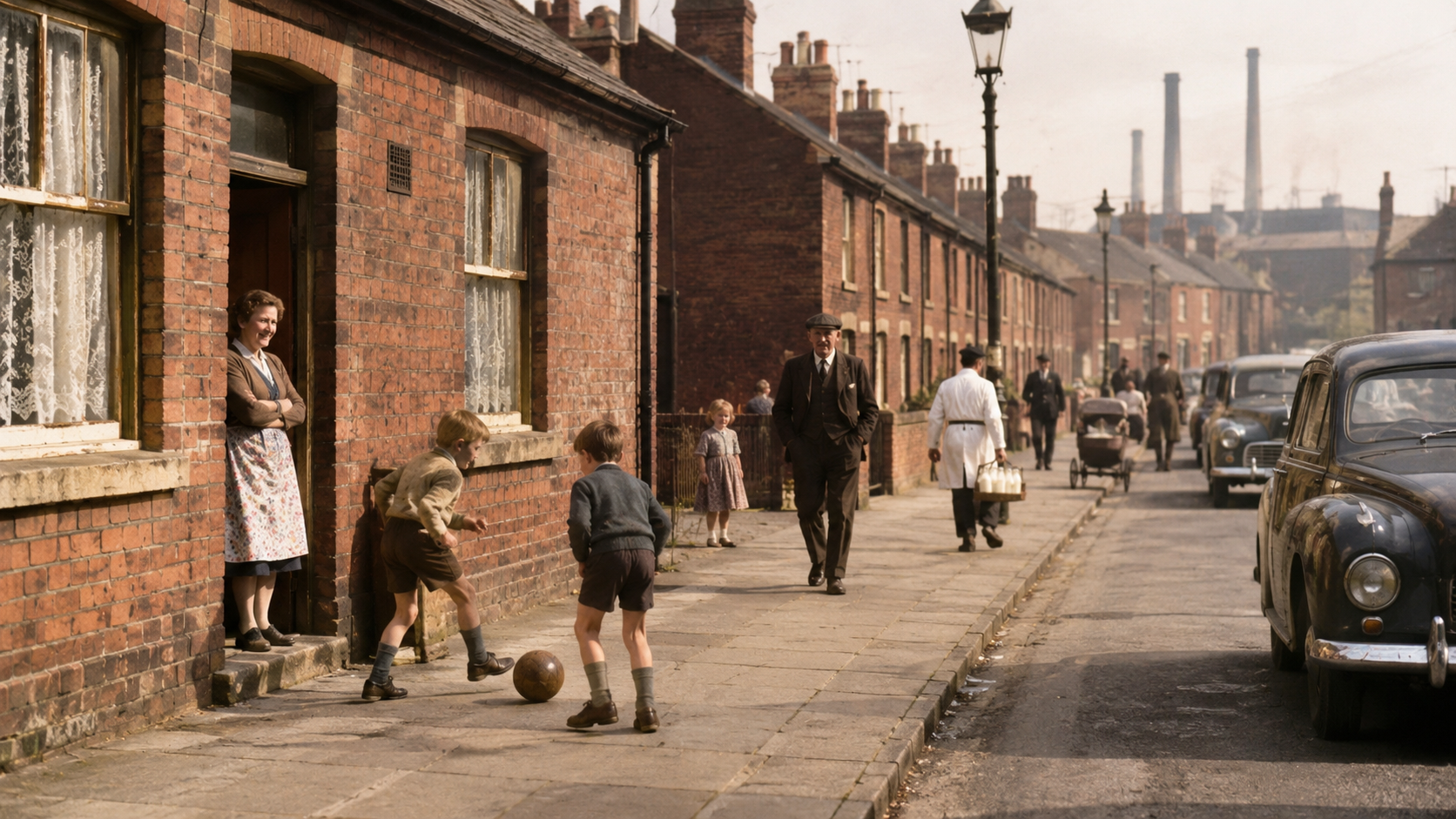
Was Britain Really Better 50 Years Ago?
Homes, wages, healthcare, work and everyday life. What improved — and what memory leaves out.
READ THE INVESTIGATION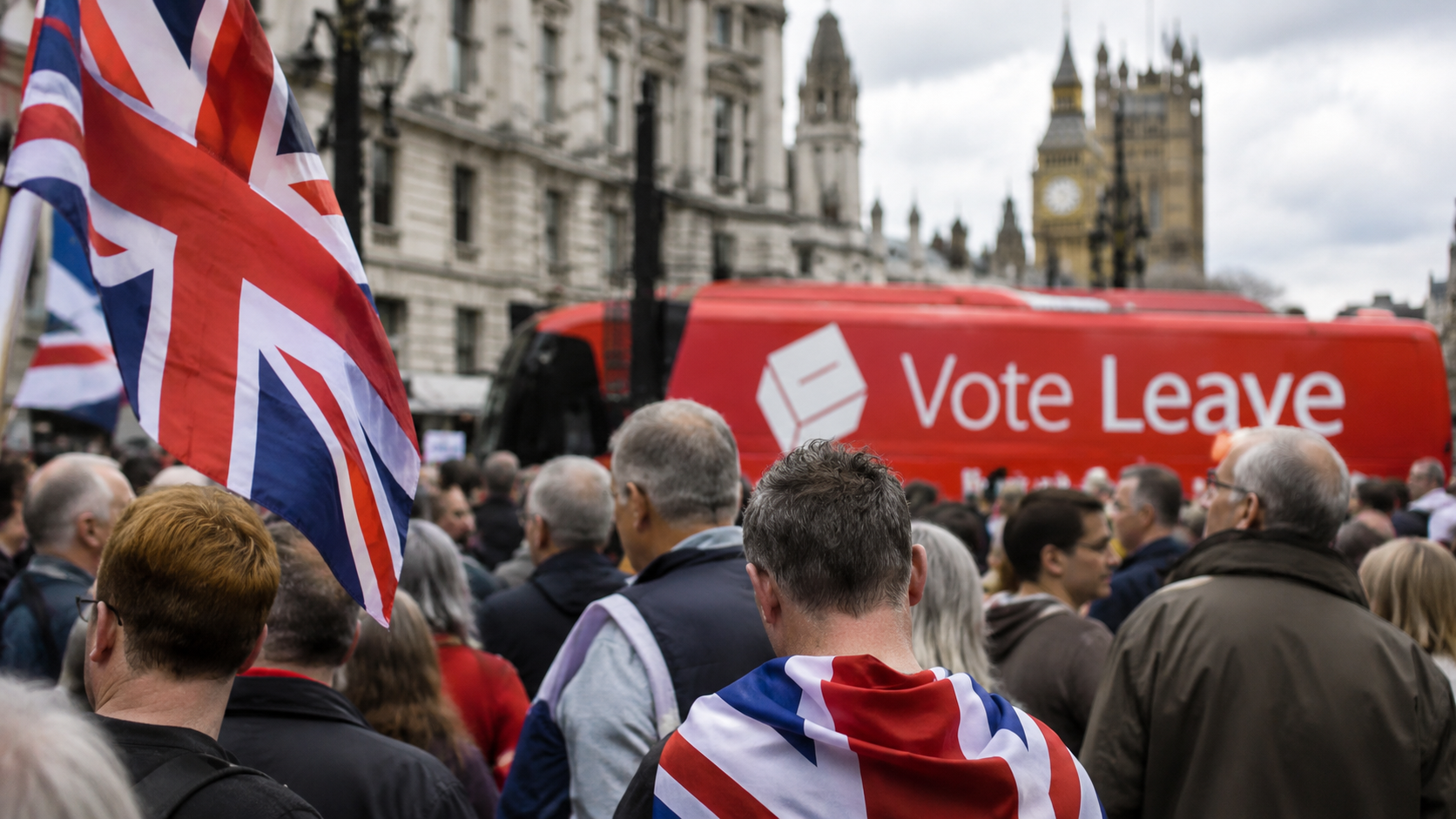
Brexit: Nostalgia Becomes Policy
From industrial decline and austerity to “take back control” and a decade of unresolved questions.
COMING SOON IN DEVELOPMENT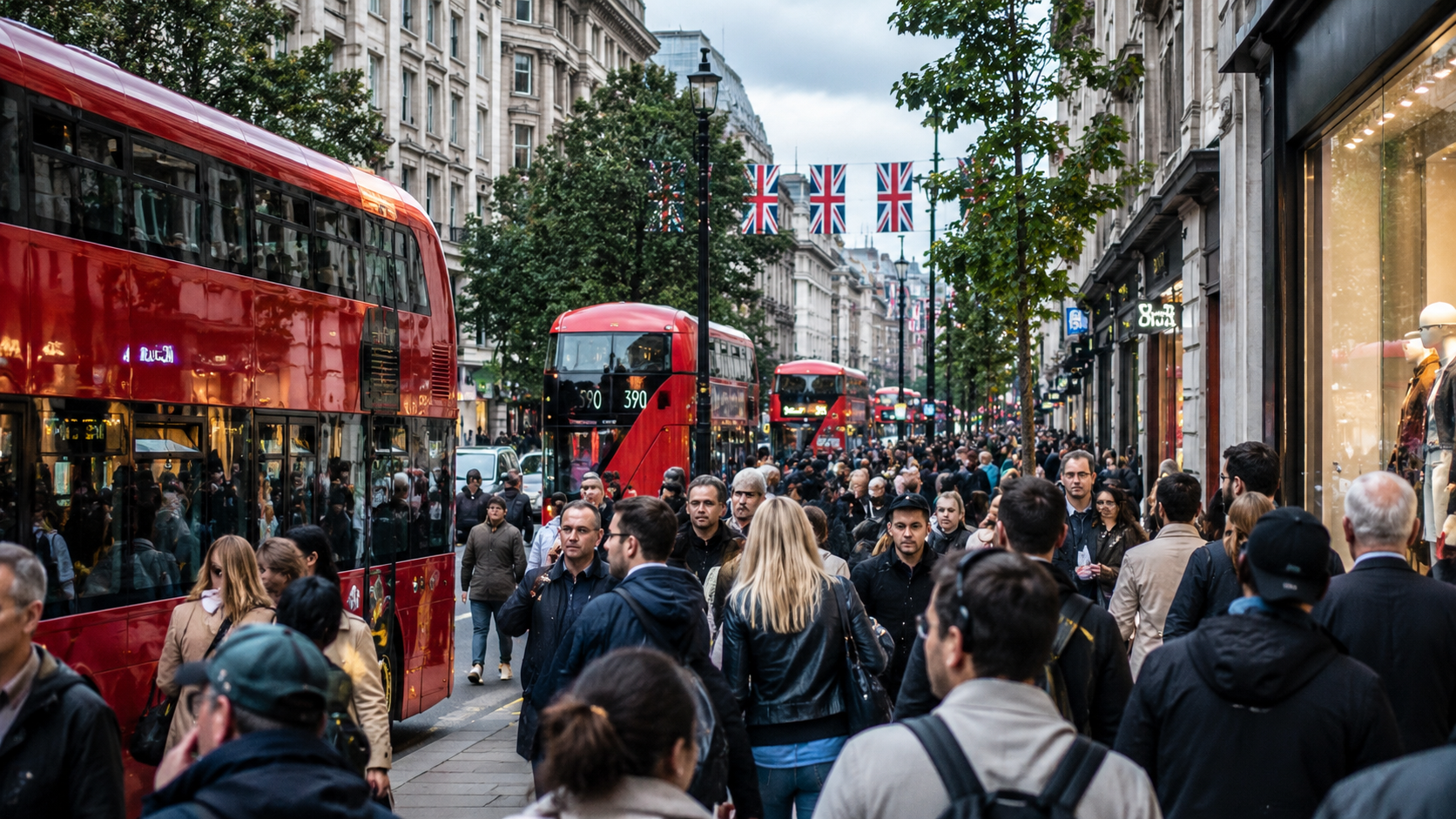
Apparently Everywhere Is Better Than London
Crime, Dubai, international comparisons, freedom and the online business of national decline.
COMING SOON IN DEVELOPMENT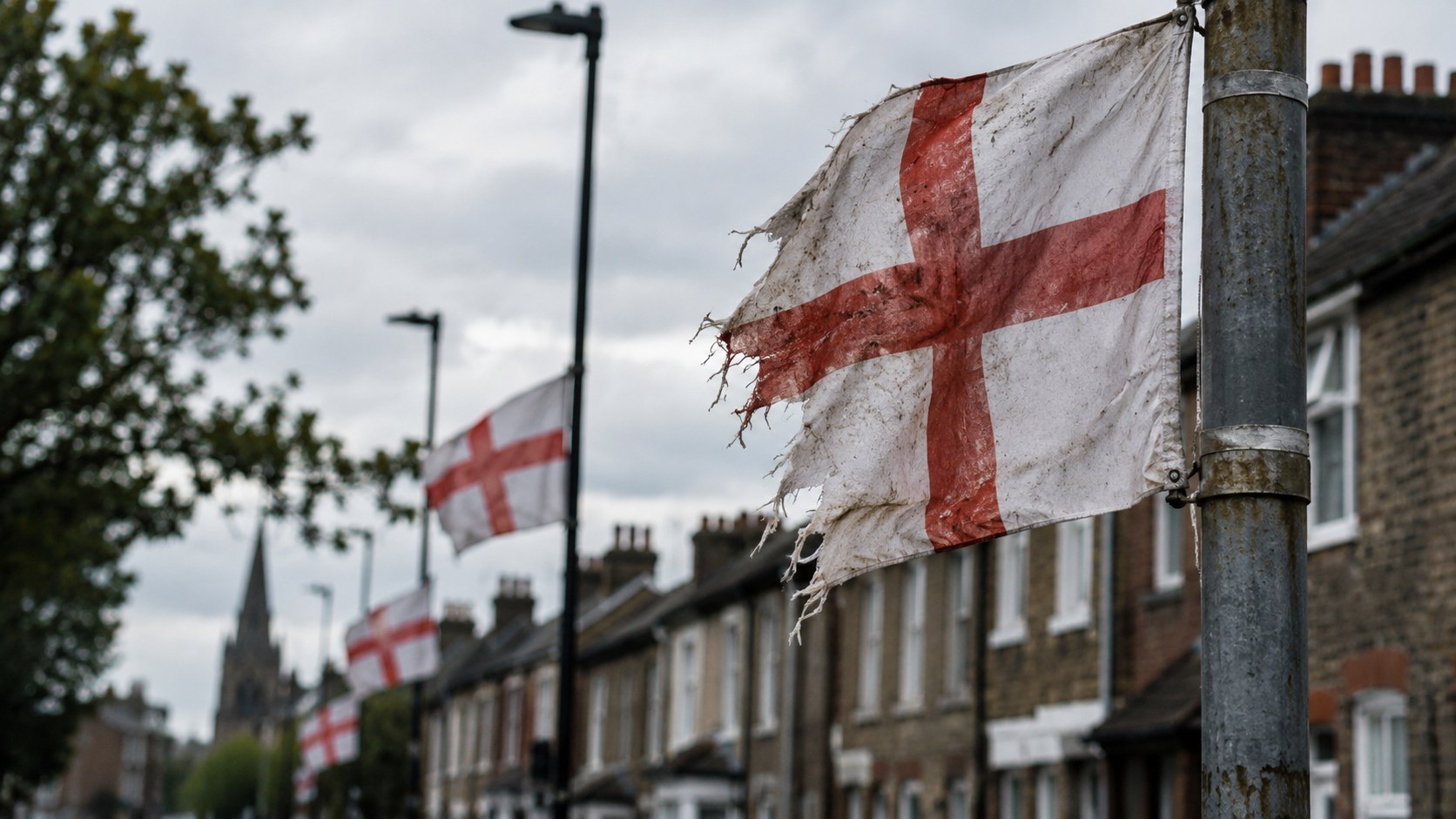
Taking Back England, One Tatty Flag at a Time
When national pride becomes a street display, what remains after the moment passes?
COMING SOON IN DEVELOPMENTTHEN IS NOT NOW.
Progress in one dimension does not guarantee progress in another. Compare the questions before declaring a winner.
HOUSING Standards vs affordability
Many homes are better equipped than in previous decades, but prices, rents and deposits can make independent living harder. Compare both quality and cost relative to earnings.
HEALTH Medical progress vs access
Treatments and survival rates have advanced, but waiting times and unequal access remain important questions. Better technology does not automatically mean a better experience for everyone.
WORK Opportunity vs security
Workplaces are often safer and more technologically advanced, while industrial career ladders and predictable employment have weakened in some communities.
CRIME Perception vs trends
Long-run survey trends differ from headlines about specific offences. Compare homicide, robbery, fraud and theft separately, with the same geography and definitions.
RIGHTS Legal change vs lived experience
Formal protections have expanded for many groups. That does not mean discrimination disappeared or that every community benefited equally.
COMMUNITY Connection vs freedom
Some shared institutions have declined, while people have gained new forms of mobility, independence and connection. Both can be true.
No posts
THE MEMORY MACHINE.
A real grievance can become an idealised memory. That memory can become a political promise. But what happens when the original problem remains?
A model of how nostalgia can influence politics — not a claim that every nostalgic person or Brexit voter thinks alike.
WHEN THE GRIEVANCE IS REAL Economic security, community and opportunity
Some people really did lose industries, stable jobs, affordable housing or shared community institutions. Taking those losses seriously is essential. Nostalgia becomes misleading when genuine losses are used to imply that everything about the past was better.
WHEN MEMORY BECOMES MYTH What gets left out?
Remember the local shops and familiar streets — but also examine cold homes, workplace dangers, discrimination, crime and unequal opportunities. The question isn’t whether memories are sincere. It’s whether they’re a complete account of history.
WHEN A SLOGAN REPLACES AN EXPLANATION From identity to policy
Promises to restore a lost country can unite very different frustrations. But they don’t, by themselves, build housing, raise productivity, train workers or improve public services. Those outcomes require policies that can be measured.
THIS ISN’T A MUSEUM OF BETTER DAYS.
The investigations above are a starting point. As new essays are published, the archive will grow — from everyday life and industrial change to national identity, political memory and the future Britain keeps postponing.
Every new piece should answer the same question: what can we actually demonstrate, rather than merely remember?
WHAT IF BRITAIN’S BEST YEARS HAVEN’T HAPPENED YET?
We cannot rebuild industry by remembering it. We cannot make homes affordable by romanticising the past. And we cannot improve public services by arguing forever about who took the country away.
Britain has real problems. It doesn’t need imaginary ones to prove it.
THE PAST DESERVES TO BE UNDERSTOOD.
NOT ENDLESSLY RECREATED.