Series · Ministry of Defence
Defence ofthe Realm?
The Ministry of Defence, the money it spends and the country it is supposed to protect.
Enter the investigation- 01Public money
- 02Ministry
- 03Contractors
- 04Capability?
The central question
What capability is all this money actually buying?
Britain never struggles to announce defence spending. Ministers stand behind lecterns, describe a more dangerous world and promise another collection of billions for ships, weapons, technology and “British jobs”.
What happens after the announcement is harder to see. Contracts move through foreign-owned companies. Requirements change. Costs rise. Equipment arrives late. Service personnel live with defective accommodation while contractors continue to be paid.
This series follows the money beyond the headline—and tests whether expenditure becomes British industry, sovereign capability and a military that can do what politicians promise.
 Current investigation
Money, ownership and control
British Money.
Foreign Defence.
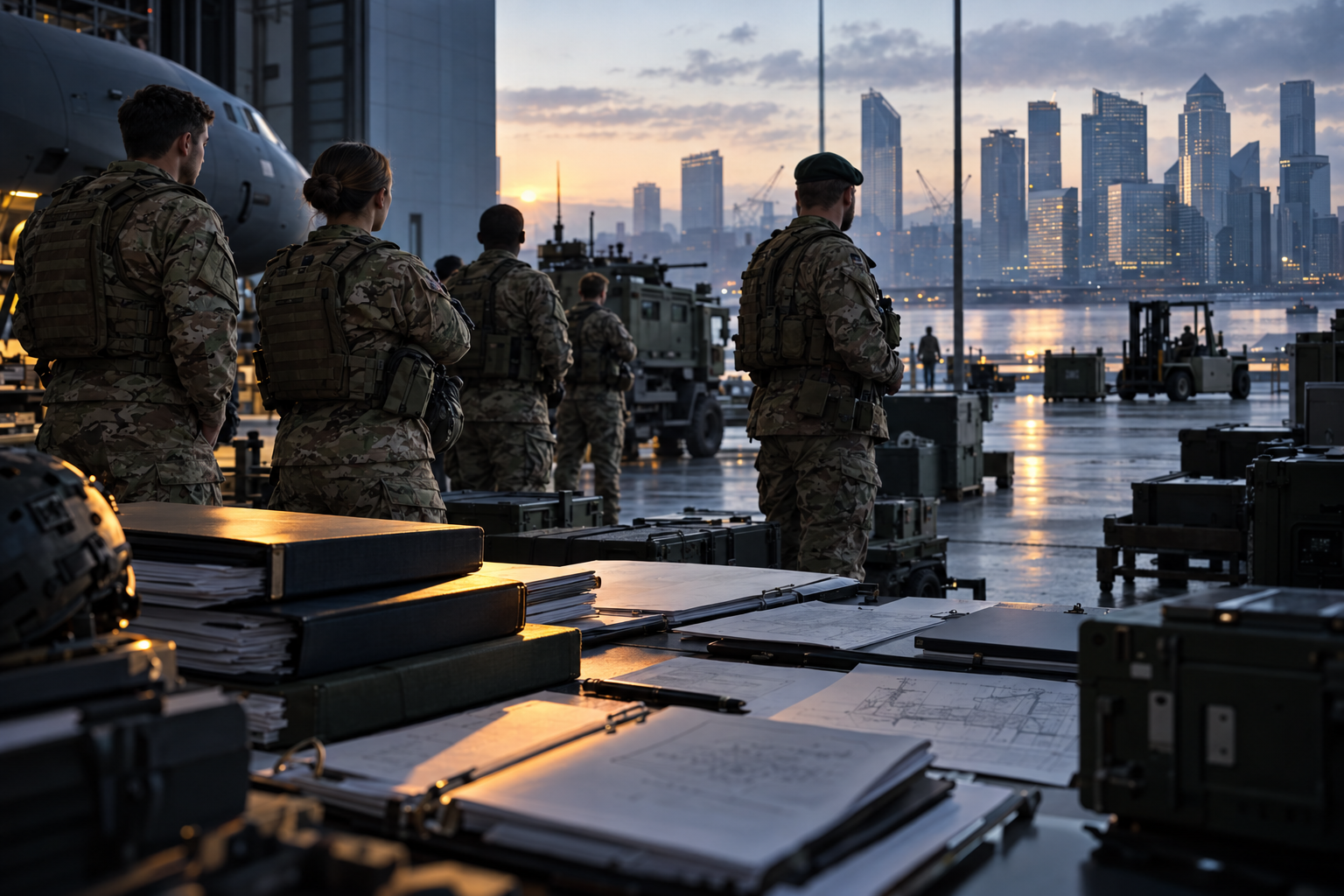
More than £30 billion of contracts reportedly awarded to foreign-headquartered suppliers has been counted as domestic defence investment. A contract can be placed in Britain without leaving Britain in control of the company, the profits, the intellectual property or the supply chain.
The question is not whether overseas-owned businesses employ people here. It is whether the language of “British investment” tells taxpayers what their money is actually building—and for whom.
Read the investigationContext: MOD departmental statistics and National Audit Office reporting. Figures should be read alongside the definitions used to classify UK industry and expenditure.
Money and procurement
Follow the contract, not the announcement.
Defence spending is routinely presented as one clean national investment. In reality, it passes through prime contractors, subsidiaries, international partnerships and supply chains that make ownership and economic value difficult to see.
Procurement without consequence
Late. Over budget. Still nobody’s fault.
Requirements are changed, timetables stretch and costs climb. By the time a failure becomes undeniable, ministers have moved departments, officials have moved posts and contractors are working on the next programme.
The system can identify lessons repeatedly without creating consequences for the institutions that keep producing them.
The hollowed-out base
A sovereign ambition built on somebody else’s supply chain.
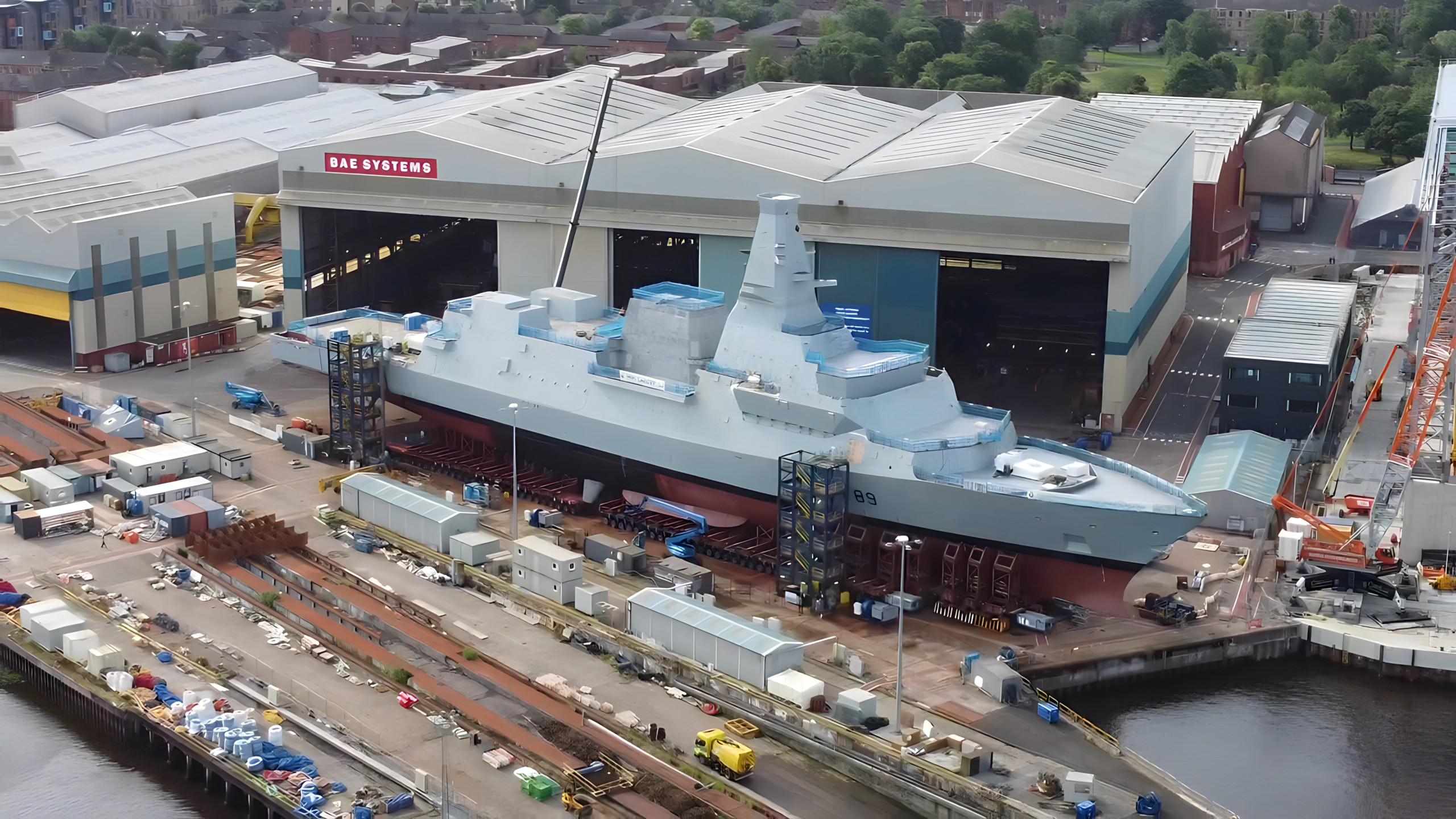
Britain wants strategic freedom after decades of consolidation, outsourcing and industrial decline. Assembly in Britain is not the same as British ownership. Employment is not the same as control. A flag on the finished product does not reveal who owns its design, components or intellectual property.
The people inside defence
The state finds money for systems. Its people wait for repairs.
Defence is not merely equipment. Recruitment, retention, pay, healthcare, family life and accommodation determine whether the Armed Forces can keep the people they train.
The treatment of service personnel provides the clearest test of what the institution values when the language of duty meets the machinery of outsourced provision.
Strategy or theatre?
A review is not readiness. A target is not capability.
Governments publish reviews, announce commands and promise procurement reform. The language changes faster than the underlying system. Every new strategy must therefore be tested against delivery: personnel available, equipment functioning, industrial capacity retained and commitments fully funded.
Accountability
When responsibility is everywhere, accountability disappears.
Defence failure rarely belongs to one decision or one government. That does not mean it belongs to nobody. This series traces the decisions, contracts and institutions that convert public money into—or fail to convert it into—national capability.