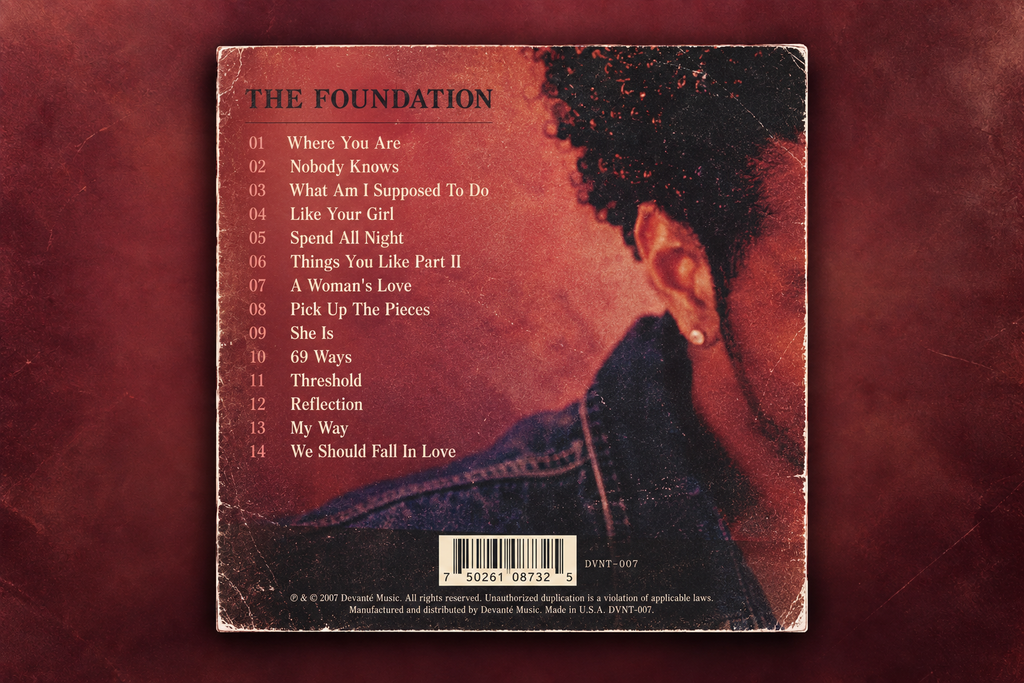
The Album That Found Me Outside Brixton Market
I bought it because the name made me think of Jodeci. Nearly twenty years later, I finally discovered why this brilliant R&B album never received the audience it deserved.
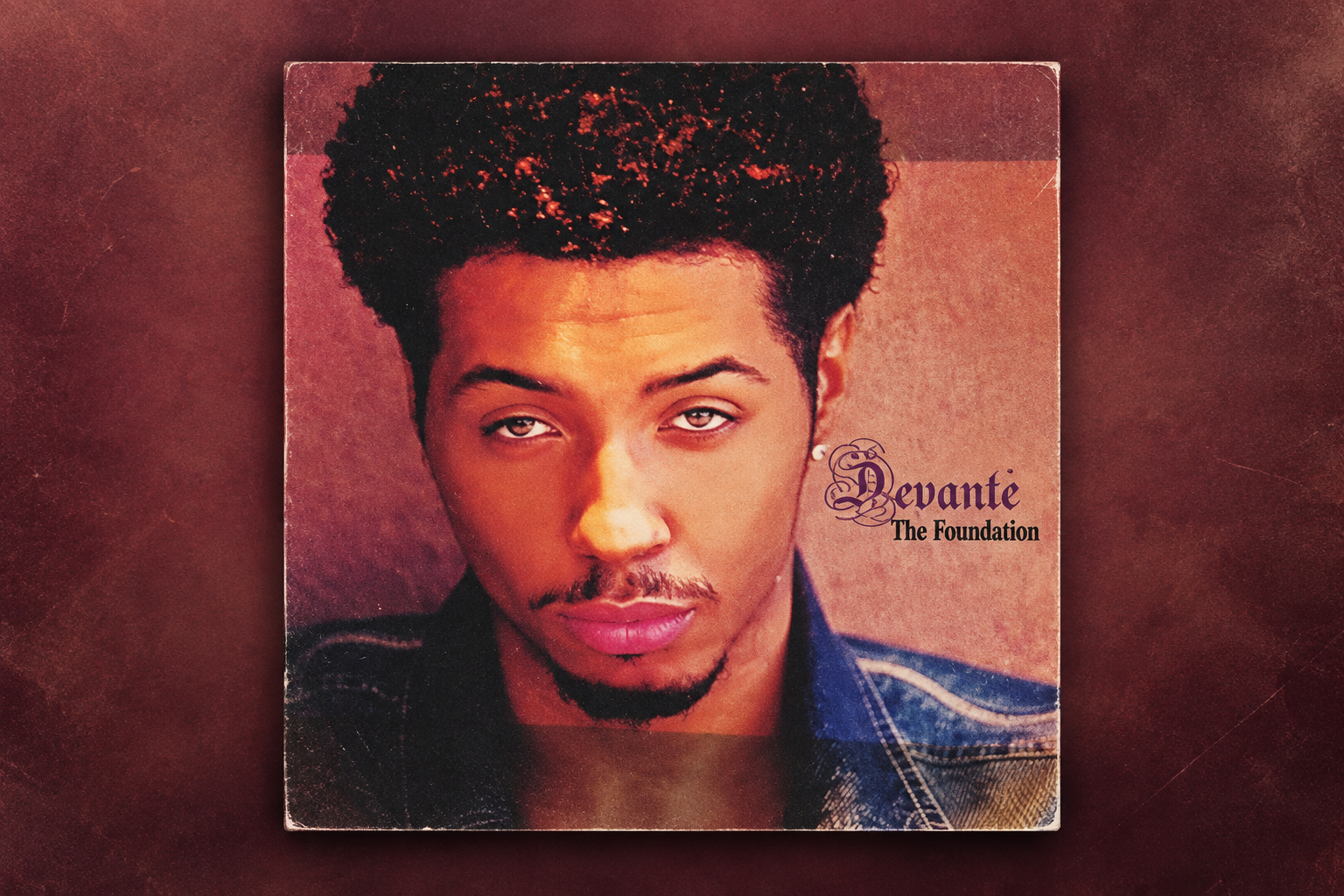
I bought this album on a hooky CD outside Brixton Market around March or April 2007.
A fake CD. A bootleg. Whatever you want to call it.
The Foundation had only officially been released on 19 February, so it had travelled from an independent American artist to a pavement outside Brixton Market within a matter of weeks.
I had only moved to London from Birmingham a couple of months earlier. London was still a new world to me, and Brixton was part of that discovery: the market, the music, the people and everything being sold outside it.
Then I saw the name on the cover.
Devante.
That was it.
As soon as I saw Devante, my mind immediately went to DeVante from Jodeci. If you knew R&B, you knew Jodeci. You knew that name. I didn’t know the man on the cover and had never heard any of his music, but seeing “Devante” was enough to make me pick up the CD.
At the time, I knew nothing about him, his previous music or the story behind The Foundation.
But I bought the CD.
Then I played it.
Wow.
I love soul music. I was raised on soul music, really. Whitney Houston and Luther Vandross were two of the main voices. Say no more. That was the standard: proper voices, proper melodies and songs that made you feel something.
And Devante was absolutely fucking amazing.
The Foundation was soul and R&B without embarrassment. Fourteen proper songs and nearly an hour of music. Love songs, relationship songs and some serious lovemaking tracks.
And I mean serious lovemaking tracks.
Not being funny, making love is something I enjoy doing—with that special person. There is a difference between singing about sex and making music that actually creates intimacy. This album understood that difference.
It was grown music. Warm, sensual and melodic.
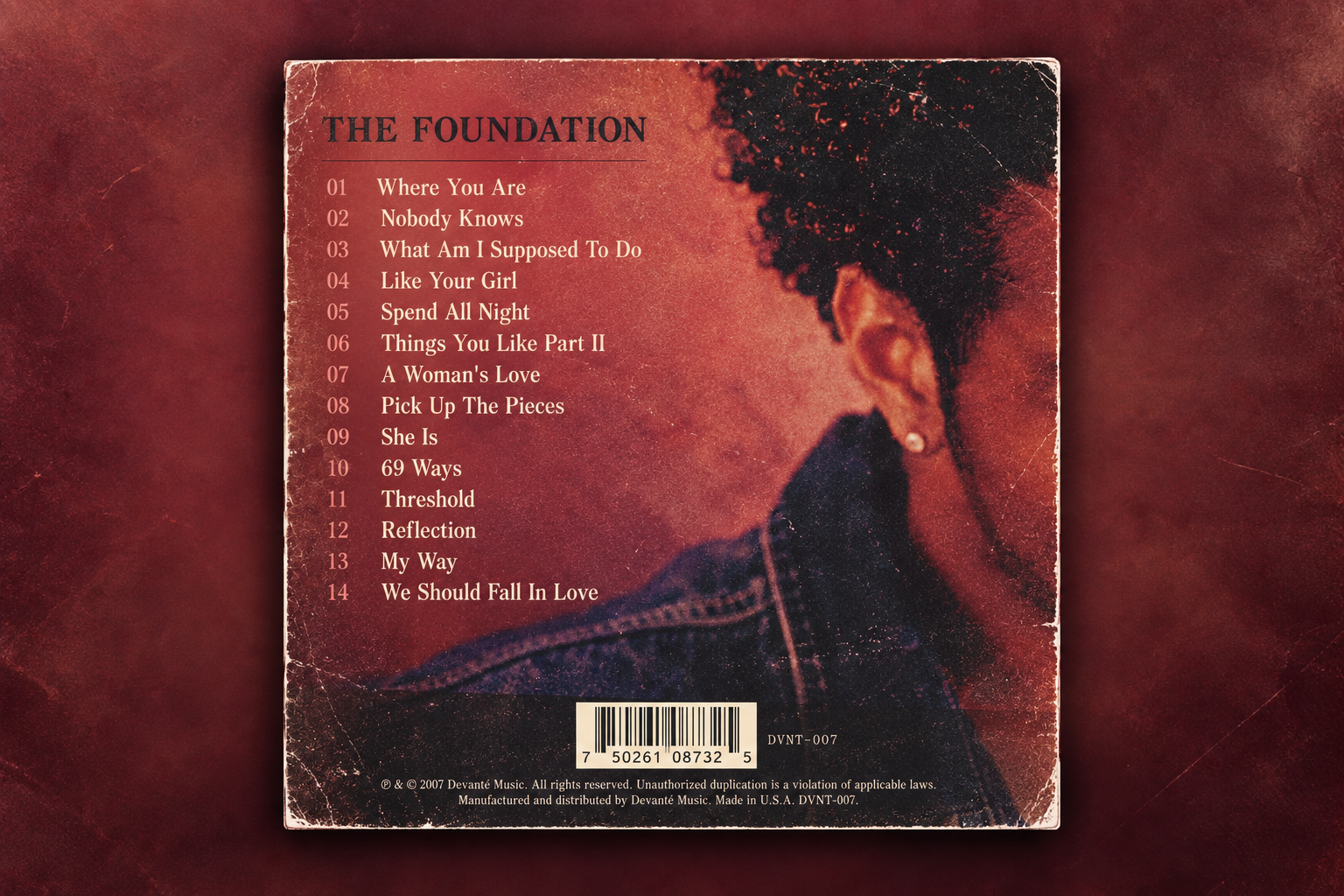
It wasn’t manufactured around one marketable single, with disposable filler added to complete the album. It felt like somebody had made an entire body of work—something you could put on and allow to play from beginning to end.
I couldn’t understand why I had never heard of him.
What happened to Devante?
Nearly twenty years later, I finally looked into it.
The Foundation was released independently under the name Devante through Tripplatinum Entertainment. He had no major label behind him, no manager, no agent and no serious promotional budget. There was no expensive campaign placing him on radio, television, magazine covers or record-store displays.
He later admitted that he had learned the music business was 75 per cent promotion and 25 per cent talent.
He believed The Foundation would establish his career. But he had no money for marketing or distribution, so the album arrived without the machinery required to make the public notice it.
The name that first attracted me to the CD also created a problem for him.
Devante later explained that his friends had called him by that name since childhood. He said he didn’t know about Jodeci when he began using it professionally. Nevertheless, some Jodeci fans accused him of copying DeVante Swing. He received hostile emails, threats and spam on his MySpace page.
After releasing Ready or Not and The Foundation as Devante, he eventually walked away from the name and began recording as David Verity.
But The Foundation is a Devante album.
That is how it was released. That is the name printed on its cover. That is how I discovered him, and that is how I still remember him.
There is a strange irony in all of that.
I discovered the album because I mistakenly connected Devante’s name with Jodeci. Yet that same connection made it harder for him to establish an identity of his own.
Love’s irony, perhaps.
The audience that never appeared
And there is another uncomfortable irony.
I discovered him through a bootleg.
The album reached me, but the money almost certainly didn’t reach him.
That was how music travelled then. Burned CDs, copied discs, market stalls and albums passed from one person to another. An unknown independent artist could somehow reach a listener on the other side of the Atlantic, yet that discovery would never appear in the sales figures that determined whether the industry considered him successful.
I became part of his audience without becoming part of the evidence that his audience existed.
We like to believe the best music naturally rises to the top.
It doesn’t.
Music reaches us through systems: promotion, distribution, radio playlists, press coverage, retail placement and people with enough money and influence to decide what everybody else gets to hear.
Talent matters. But talent without machinery can remain almost invisible.
The biggest career is not always the best catalogue
A classic example from roughly the same era is Donell Jones and Usher.
Let me be clear: Usher can sing. There is no doubt about that. And he absolutely killed it with Confessions. That was his defining album—a commercial smash and, for me, still the best album of his career.
But Donell Jones remained more underground, and I believe he made the better albums overall. His first five albums were quality. Easy. Put those records on and let them play: proper songs, consistency and grown R&B without needing the same level of spectacle.
Usher had the image, the promotion and the enormous industry machine. The shirt came off, the videos arrived, and he became an international superstar.
Donell Jones never received that same push.
That doesn’t take anything away from Usher’s voice or the achievement of Confessions. It simply shows that talent alone doesn’t explain why one artist becomes unavoidable while another remains comparatively underground.
The biggest individual album.
of albums.
Some of the best music ever made was never the most heavily promoted. Sometimes the best album isn’t the one everybody remembers. It is the one that reaches you without a multimillion-dollar campaign telling you how important it is.
Devante made a brilliant R&B album.
I found a fake copy outside Brixton Market only weeks after it was released. I bought it because the name Devante made me think of somebody else.
He wasn’t DeVante from Jodeci.
But The Foundation became one of my favourite albums in its own right.