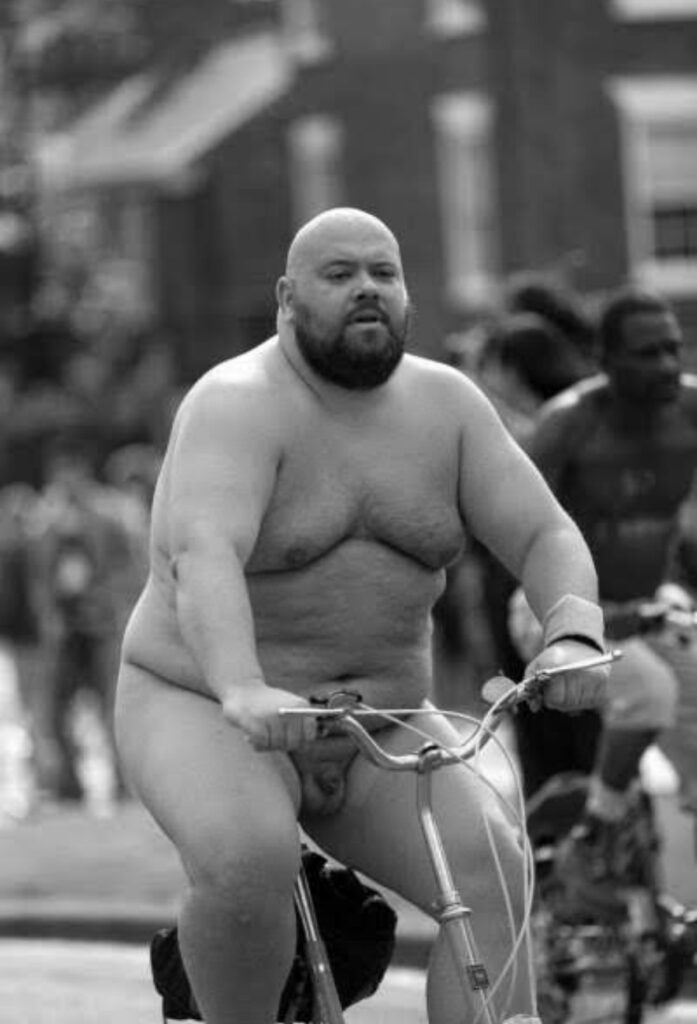
What Are We Actually Protecting? 🤔
There is always outrage when bodies appear in public. 🚲
Not violence.
Not abuse.
Not exploitation.
Bodies.
So the question is not really “should children see this?”
The real question is: why is this the thing adults panic about?
Because children already live in a world where the internet sits in their pocket. 📱
They can see more in five minutes online than they will ever see at a bike ride in London.
And yet this is where the moral panic lands.
Not the fact that children are navigating unfiltered content every day.
Not the gaps in education.
Not the systems that are supposed to support them but don’t always deliver.
A body.
That tells us something.
It tells us that a lot of what gets called “protecting children” is really about adult discomfort.
Some adults don’t want children to understand bodies.
They don’t want questions.
They don’t want openness.
They want silence.
They want control.
I grew up around that mindset too.
“Children should be seen and not heard.”
Adults were always the authority.
You didn’t question. You didn’t push back.
But at the same time, bodies themselves weren’t treated like something shameful.
They were just… normal.
So when I saw people naked, I didn’t react with shock.
I didn’t laugh.
I didn’t see it as something strange.
Because it wasn’t.
That reaction — the discomfort, the panic — that’s learned.
And once you see that, the whole thing starts to look different.
Because this isn’t really about what children are seeing.
It’s about what adults are comfortable admitting.
Maybe the problem isn’t exposure.
Maybe the problem is what we choose to focus on — and what we ignore.
Because if we’re honest, the risks children face don’t start with something like this.
But this is what gets the outrage.
And that’s the part worth questioning. 🔍