OBSERVATIONS · FOOTBALL · OWNERSHIP
They Bought Manchester United With Manchester United’s Money
Record revenue. Nearly £1 billion in combined financial and transfer obligations. Twenty-one years after the leveraged takeover, Manchester United are still paying for somebody else buying them.
Manchester United are very good at making money.
That is what makes the state of the club so revealing.
This is not a small club attempting to survive beyond its means. It is not a provincial team crippled by an empty stadium, a weak television deal or a shortage of supporters. Manchester United remain one of the most recognisable sporting institutions on earth.
In the year to 30 June 2026, United generated record revenue of £677.6 million. They produced an operating profit of £22.6 million and record adjusted EBITDA of £216.4 million.
Then they finished the year with a £43 million net loss—their seventh consecutive annual loss.
That apparent contradiction tells you almost everything.
The football club continues to produce enormous amounts of money. The structure surrounding it continues to consume that money.
The latest accounts show £689 million of financial borrowings. United had £67.2 million in cash and still owed £375 million in transfer fees and associated costs.
Put those figures together carefully: £689 million of borrowing, plus £375 million of transfer liabilities, minus £67.2 million of cash.
Approximately £997 million.
That does not mean United have one neat £997 million bank loan. They do not. Borrowings and unpaid transfer instalments are different types of obligation and should be described separately.
But together they show the scale of the burden attached to a club producing record revenue.
United are not poor. They are being drained by the cost of being United under this ownership model.
THE ACCOUNTS
Record revenue still ends in a loss
The money moves across the club. The cost of the structure follows it.THE TAKEOVER
The Purchase
In 2005, the Glazer family completed a takeover worth approximately £790 million.
Manchester United had not been drowning in acquisition debt before they arrived. The takeover itself created the burden.
The Glazers used a leveraged-buyout structure: borrowed money helped them acquire the club, and much of the responsibility for servicing that borrowing was placed inside the Manchester United corporate structure.
In ordinary language, they bought Manchester United using Manchester United’s future income.
The club became the security, the repayment mechanism and the cash generator.
BBC Verify calculated that approximately £1.187 billion left Manchester United between the takeover and 2024 through debt interest, debt repayments, dividends and fees connected to the Glazer family.
Not every pound went directly into a Glazer bank account. Interest went to lenders. Debt repayments went to creditors. That distinction matters.
But those costs existed because of the way the Glazers chose to acquire the club.
Manchester United received no new striker for that money. No league title. No rebuilt stadium. No modernised football structure.
It paid the financial cost of somebody else buying it.
THE MECHANISM
The club became the repayment vehicle
THE REFINANCING
Refinancing Is Not Repayment
Debt can disappear. It can also be renamed, extended and refinanced.
In June 2026, United replaced $425 million of secured notes carrying an interest rate of 3.79 per cent with $550 million of new secured notes at 5.36 per cent. The new notes mature in 2031.
The refinancing increased the principal and raised the interest rate. It has been estimated that the change could add around £10 million to United’s annual interest bill.
The club paid £38.9 million in cash interest during the 2025/26 financial year. Its accounting charge for net finance costs was £69.6 million, partly because of movements in the value of its dollar-denominated borrowing.
This is why the headline operating profit should not be mistaken for money sitting safely in the bank.
United made £22.6 million at operating level and then absorbed £69.6 million in net finance costs.
The commercial machine worked. The ownership structure collected its toll.
THE FOOTBALL
A Cash Cow, Not a Serious Football Structure
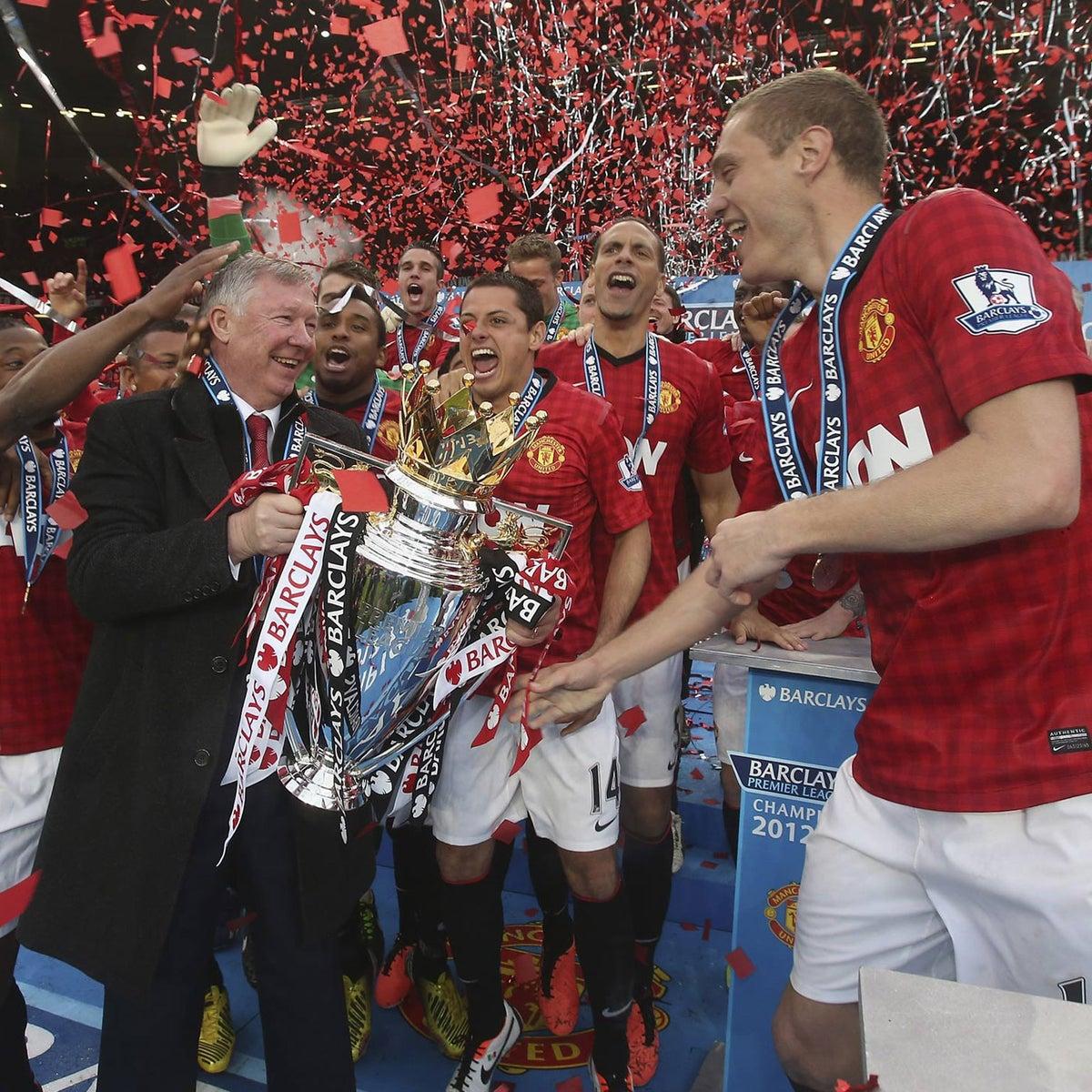
Manchester United have still spent enormous amounts on footballers.
That does not disprove the argument. It makes the argument worse.
Since Sir Alex Ferguson retired in 2013, United have spent well over £1.5 billion on transfers without winning another league title. More than £1 billion has reportedly been invested in the squad since 2022 alone.
This has not been austerity. It has been expensive incoherence.
Managers have arrived with different ideas, inherited players built for somebody else and then been removed before their own reconstruction was complete. The next manager begins another reconstruction using the remains of the last one.
Ole Gunnar Solskjaer is the clearest example.
United behaved as though they were supporting a manager with the authority and long-term clarity of Jürgen Klopp or Pep Guardiola. Harry Maguire arrived for approximately £80 million. Jadon Sancho cost around £73 million. Raphaël Varane arrived from Real Madrid. Cristiano Ronaldo returned.
It looked like a collection of statements rather than the construction of a team.
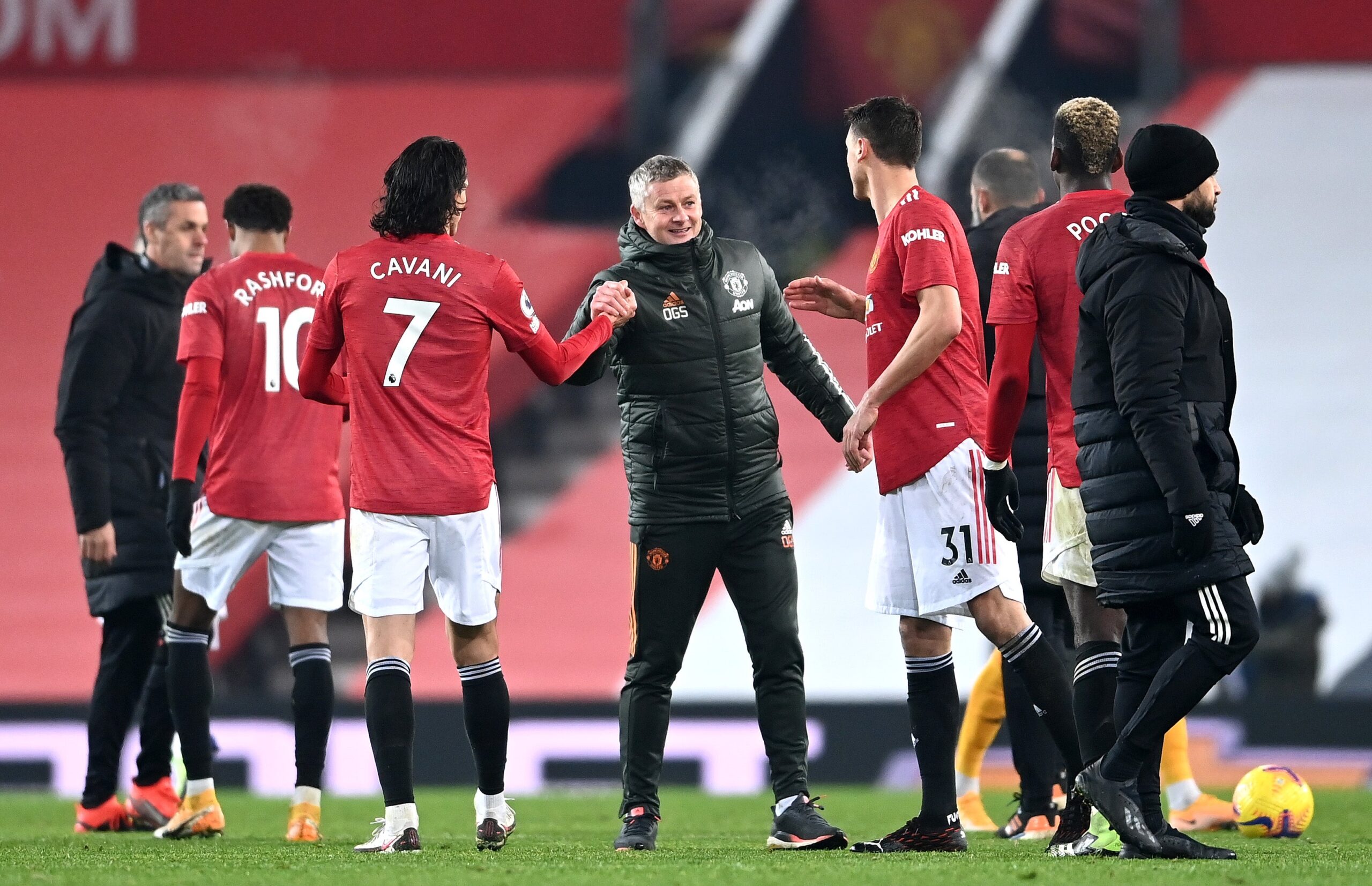
Solskjaer had been allowed to behave like the architect of an era. Within months of the grand 2021 window, he was gone.
Erik ten Hag was retained after the 2024 FA Cup final and given a contract extension. United then spent again before dismissing him months later.
Dan Ashworth was pursued for months as the executive who would help repair the football structure. Hiring him and removing him after five months cost the club £4.1 million according to its accounts.
Ruben Amorim became another costly appointment and departure. Michael Carrick returned, produced a remarkable recovery to finish third, began the following season badly and was dismissed in November 2026.
Mauricio Pochettino officially began work on 18 November.
Reported calculations now place the post-Ferguson cost of appointing and removing managers, coaches and senior football personnel above £100 million.
This is not a club that refuses to spend. It is a club that repeatedly spends without maintaining a coherent idea long enough to justify the spending.
THE CUTS
INEOS and the Performance of Austerity
INEOS was supposed to bring seriousness.
Sir Jim Ratcliffe’s organisation invested approximately $300 million directly into United as part of its acquisition of a substantial minority stake. That money was important. It helped fund infrastructure and gave the club another injection of capital.
But it also revealed something about the model.
Every so often Manchester United need another source of money to compensate for the money the club has already generated and lost.
INEOS then began cutting.
Approximately 250 jobs went in the first round. A further 150 to 200 redundancies were announced. Free lunches for employees at Old Trafford were removed, reportedly saving more than £1 million a year.
Financial discipline was suddenly explained to ordinary employees.
The dinner staff, administrators and people earning normal salaries were presented as costs that an efficient organisation could no longer tolerate.
Yet the same institution had spent £14.5 million dismissing Ten Hag and members of his staff, including the cost associated with Ashworth’s brief stay. It later incurred further exceptional costs connected with Amorim’s departure and restructuring.
United could find millions to correct executive and managerial decisions.
It found savings in people’s jobs and lunches.
That is not merely cost control. It is a demonstration of who is expected to pay when leadership gets things wrong.
THE CONTRAST
The mistakes remain expensive. The savings travel downwards.
THE STADIUM
The Old Stadium and the New Promise
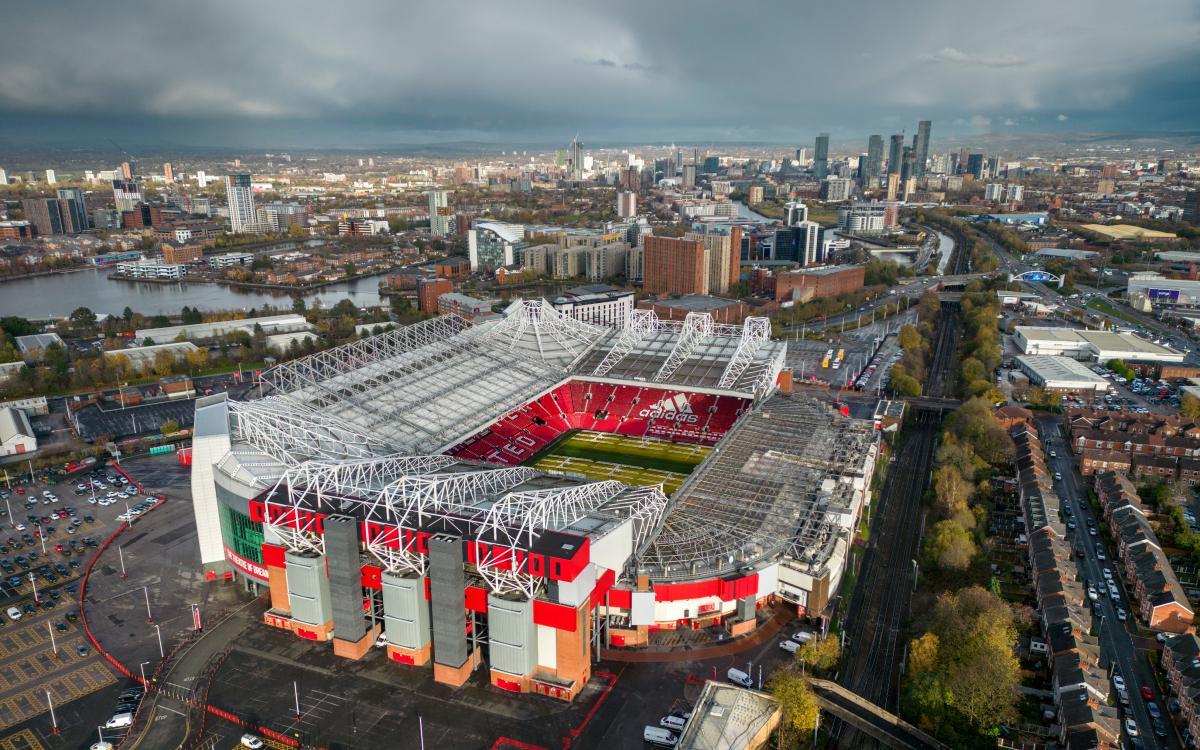
Old Trafford remains one of football’s great grounds, but it has also become a physical record of delayed investment.
For years, supporters watched the stadium deteriorate while money left the club through interest and dividends.
United now have an ambition to construct a new 100,000-seat stadium beside the existing ground. The images are spectacular. The proposed district is presented as a regeneration project capable of transforming the surrounding area.
United spent £63.5 million during the 2025/26 financial year acquiring freehold property connected with that ambition.
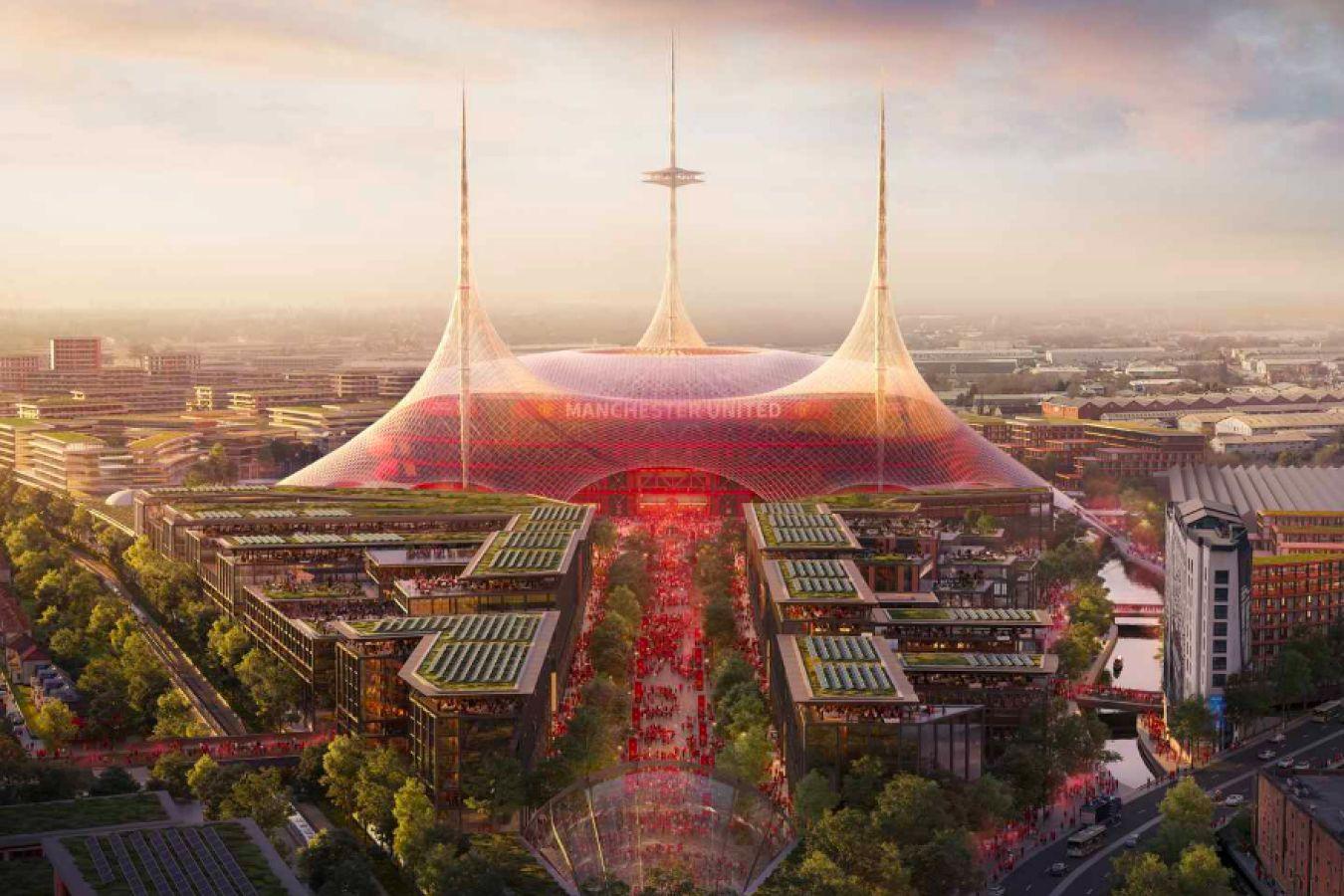
But the final design, cost and funding structure have not been settled publicly.
That question cannot be treated as a minor detail.
Manchester United already have £689 million of borrowings, £375 million of transfer liabilities and a newly refinanced bond carrying a higher rate of interest.
A new stadium may be necessary. It may become magnificent. It may generate substantial additional revenue.
But United supporters are entitled to ask who will pay for it, who will own the surrounding development, who will receive the eventual returns and how much more financial pressure will be placed upon the club.
They have heard grand promises before.
THE DIFFERENCE
Manchester City Broke the Rules. The Glazers Used Them.
The contrast with Manchester City matters.
In September 2026, an independent commission found City guilty of serious breaches of the Premier League’s financial rules over a nine-season period, including the use of sham commercial arrangements, misstated accounts and failures to cooperate properly with the investigation.
City have appealed. The sanction remains unresolved. The process is therefore not finished.
But City’s case concerns an alleged—and now initially proven, subject to appeal—attempt to circumvent football’s financial rules.
The Glazers did not need to hide the central mechanism of their acquisition.
They used the rules as they existed.
They arrived knowing that borrowed money would help them acquire Manchester United and that United’s own revenues would service much of the resulting obligation.
The debt was not an unexpected consequence. The debt was part of the purchase.
And Britain allowed it.
English football allowed one of its most important institutions to become the repayment vehicle for its own takeover. Company law recognised the transaction. Football governance failed to prevent it.
The rules are tighter now. The Premier League’s Acquisition Leverage Test says the ratio of acquisition debt to acquisition equity must not exceed 65 per cent. The Independent Football Regulator has powers intended to protect clubs’ financial soundness and examine prospective owners and their plans.
An unchanged version of the 2005 Glazer structure would not simply sail through the system today.
But regulation arrived after the extraction had begun.
It does not operate retrospectively. It does not return the interest. It does not rebuild the stadium. It does not remove United’s existing borrowing.
Germany’s 50+1 system starts from a different principle: club members ordinarily retain majority voting control. England treated football clubs far more readily as companies and tradable assets.
That was a political and regulatory choice.
Manchester United are what that choice looks like after twenty-one years.
THE FINAL QUESTION
What Happens When the Glazers Leave?
This is the question that sits beneath everything.
What happens to the debt when the Glazers finally sell?
It does not automatically climb into their suitcases.
The Glazers own shares and exercise approximately 67.9 per cent of United’s voting power. INEOS holds approximately 29 per cent. If the Glazers sell their shares, the price and structure of that transaction will determine what they receive.
But the existing borrowings belong to companies within the Manchester United group.
Unless a purchaser agrees to repay or refinance them as part of a takeover, those liabilities remain where they are.
At Manchester United.
A buyer will account for the debt when deciding what the equity is worth. A buyer may clear it, replace it or negotiate new terms. But the Glazers are not ordinarily required to take the club’s corporate borrowing away merely because they cease to be shareholders.
THE EXIT
The owners can leave. The liabilities remain.
- Sell their shares
- Receive the proceeds
- Relinquish control
- Leave
- Retains the borrowings
- Retains transfer liabilities
- Services the obligations
- Keeps the bill
That is the final achievement of the leveraged buyout.
The owners can realise the value of the asset.
The asset retains the liabilities created to acquire it.
Manchester United have produced record revenue. They have sold shirts across the world, filled Old Trafford, signed commercial partnerships and remained culturally relevant through more than a decade of football failure.
The cash cow has continued producing cash.
And still the club carries the debt.
Sources and further reading+
- Manchester United plc — 2026 Annual Report on Form 20-F
- Manchester United — Full-year fiscal 2026 results
- BBC Verify — How the Glazer family cost Manchester United £1.2bn
- Reuters — Manchester United job cuts and staff lunches
- Premier League — Manchester City Commission decision
- Premier League Handbook — Acquisition Leverage Test
- Football Governance Act 2025
- Bundesliga — The 50+1 ownership rule
- Manchester United — Old Trafford regeneration
- Manchester United — Mauricio Pochettino begins work
- Premier League — Arsenal’s 2026/27 opening