A global series about economic power
Updated
The Blocs
Money. Markets. Power.
The world is supposedly made up of sovereign nations. But economic power no longer operates one country at a time. Markets are combined, resources are pooled, rules are exported and access is negotiated collectively.
Enter the systemNo country
trades alone.
Some are simply powerful enough to pretend they do.
The modern world is not abandoning sovereignty. It is repackaging sovereignty into larger units of power. A country may retain its flag, parliament and national anthem while its genuine economic choices are shaped by the market it can access, the currency it trades in, the resources it controls and the rules it must accept.
The European Union, RCEP, USMCA, CPTPP, AfCFTA and BRICS are often placed in the same conversational bucket. They should not be. Some are single markets, some are free-trade agreements and some are political coalitions. Their structures differ, but their underlying calculation is the same: size creates leverage.
People
The scale, wealth and future growth of the internal market.
Money
Combined output, investment capacity and financial reach.
Resources
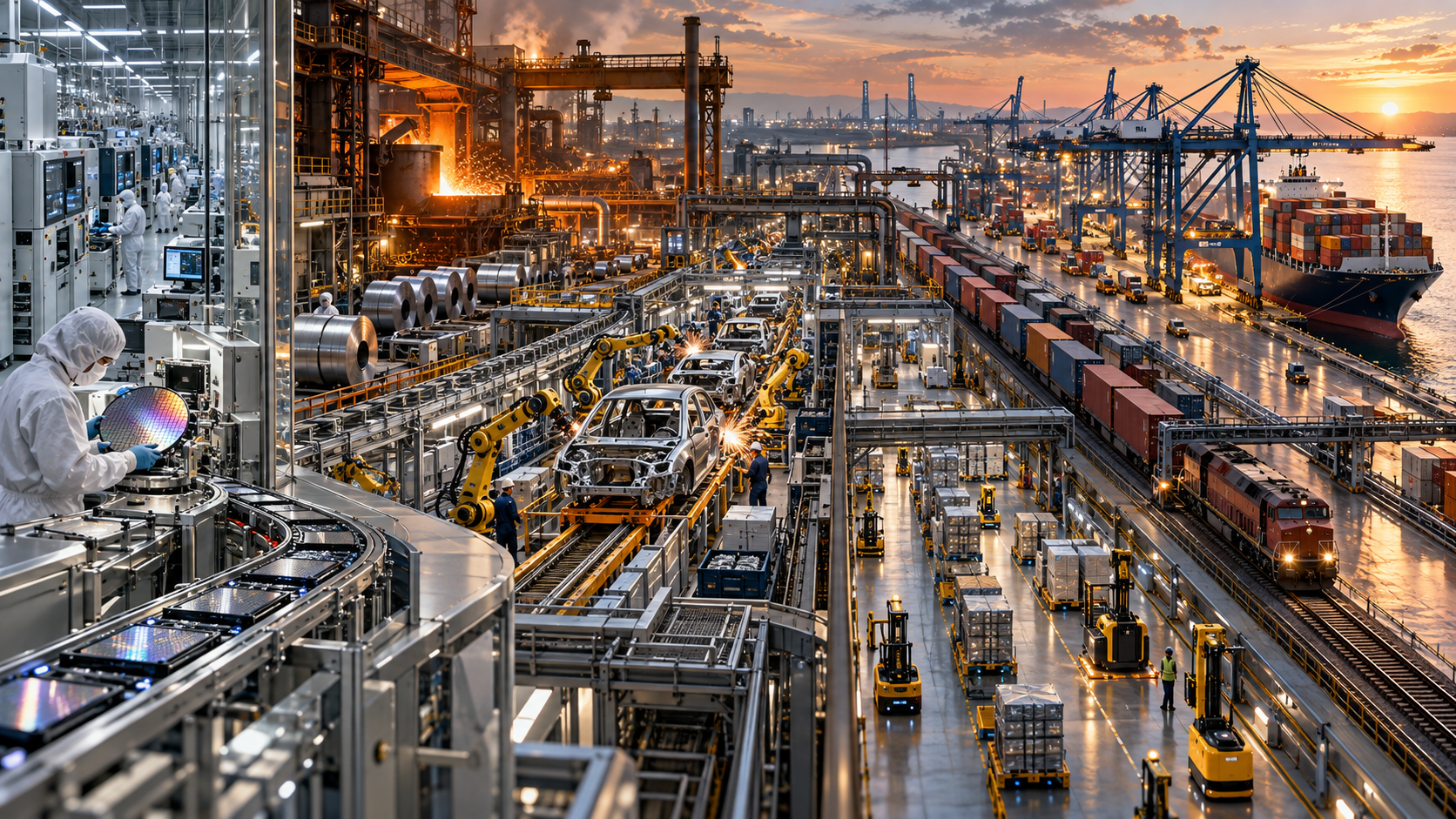
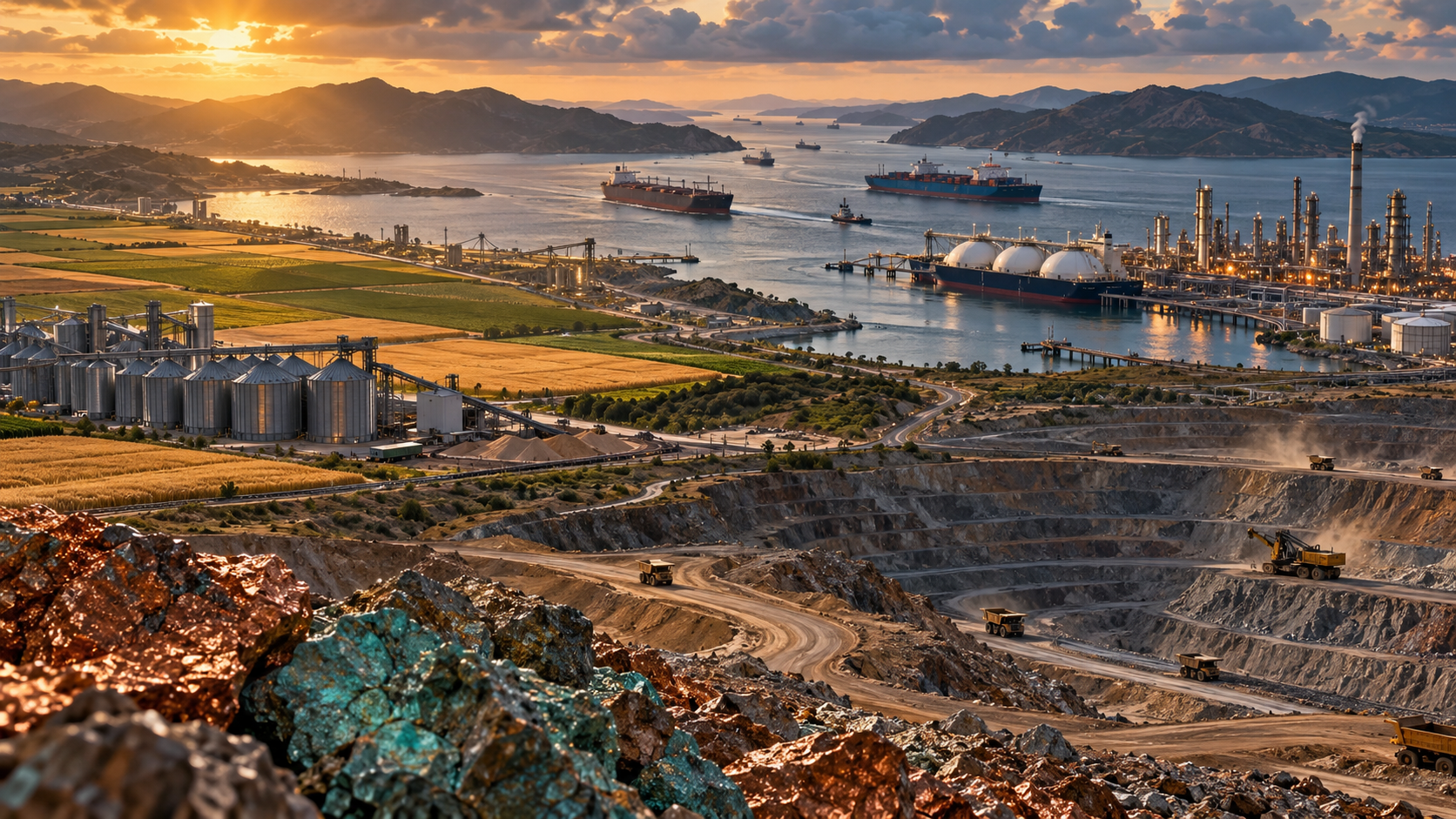
Energy, food, minerals, manufacturing and transport routes.
Rules
The power to determine the conditions under which others trade.
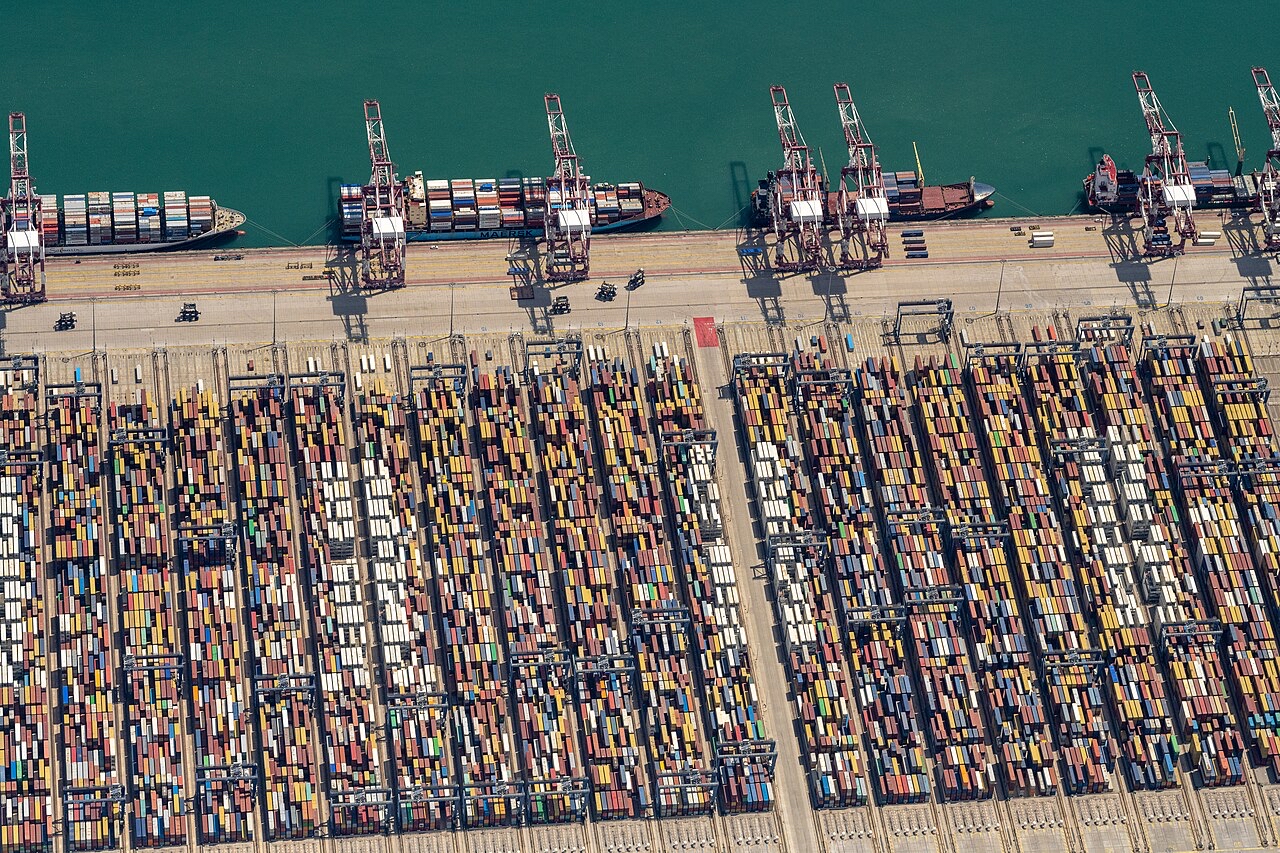
Ten centres of economic power
They are not all
the same kind of union.
No single ranking captures power. Population, output, integration, resources and rule-setting capacity produce different hierarchies. The figures below are rounded orientation points, not a fixed league table.
Integrated markets
European Union
Twenty-seven states joined by a single market, customs union, common institutions and shared law.
- Members
- 27
- People
- ≈450m
- GDP
- ≈€18tn
Power: regulatory reach
Friction: slow collective decisions
North America
Three economies tied together through continental production, agriculture, energy and consumer demand.
- Members
- 3
- People
- ≈516m
- GDP
- $30tn+
Power: American market scale
Friction: extreme imbalance
Southern Common Market
South America’s largest integration project, repeatedly advanced and constrained by domestic politics.
- Core states
- 5
- People
- ≈280m
- GDP
- ≈$3tn
Power: food and commodities
Friction: uneven integration
Eurasian Economic Union
A five-state market for goods, services, capital and labour, inseparable from Russian influence.
- Members
- 5
- People
- ≈185m
- Centre
- Russia
Power: energy and geography
Friction: political dependence
Gulf Cooperation Council
Six comparatively small states whose energy reserves and financial capital multiply their influence.
- Members
- 6
- People
- ≈60m
- GDP
- £1.8tn
Power: energy and capital
Friction: economic concentration
Giant trade frameworks
Regional Comprehensive Economic Partnership
The largest formal trade agreement by economic scale, connecting East and Southeast Asian production networks.
- Members
- 15
- People
- 2.3bn
- World GDP
- ≈30%
Power: manufacturing depth
Friction: limited political unity
Trans-Pacific Partnership
A high-standard agreement spanning the Pacific and Atlantic after the United Kingdom’s accession.
- Members
- 12
- People
- ≈600m
- World GDP
- ≈15%
Power: rule alignment
Friction: geographic distance
African Continental Free Trade Area
The most ambitious attempt to turn fragmented national markets into continental economic scale.
- Signatories
- 54
- People
- 1.4bn
- GDP
- ≈$3.4tn
Power: demographic future
Friction: implementation and infrastructure
Political-economic coalitions
BRICS
Population, resources and ambition on an enormous scale—but no common market, customs union or shared legal order.
- Core members
- 10+
- Reach
- Global South
- Trade form
- Coordination
Power: scale and alternatives
Friction: divergent interests
Association of Southeast Asian Nations
Economic integration and political coordination without the supranational authority found in Europe.
- Members
- 11
- People
- 680m+
- GDP
- ≈$3.9tn
Power: strategic location
Friction: consensus limits
Structure matters
Bigger does not always
mean more powerful.
A loose coalition may contain more people than a single market while possessing far less power to enforce a common decision. Integration determines whether size can be converted into action.
Positions are deliberately indicative. Formal treaties and real-world implementation do not always coincide.
Market power
Enough consumers—and enough spending—to make access worth the cost of compliance.
Production power
The factories, knowledge, components and logistics that other economies cannot quickly replace.
Resource power
Control of energy, food, minerals, capital and the routes connecting them to the world.
Rule-making power
The ability to turn domestic standards into conditions that foreign firms and governments must follow.
Not two clean camps
The alliances overlap.
The interests collide.
Countries do not choose one permanent economic family. They layer agreements, memberships and strategic relationships, seeking access without complete dependence.
Outside the EU. Inside CPTPP. Still economically tied most closely to Europe.
Inside USMCA and CPTPP, connecting North American production to Pacific trade.
Inside RCEP and BRICS, using manufacturing scale and market access in different ways.
Inside Mercosur and BRICS, balancing regional leadership with global ambition.
Inside ASEAN, RCEP and BRICS: a rising power positioned across several systems.
The world is becoming more integrated and more fragmented at the same time.
Ten blocs. One changing order.
Follow the money.
Then follow the rules.
Each article examines what a bloc claims to be, where its actual power lies, who dominates it and what prevents its scale from becoming shared strength.
Power Through Integration
What pooled sovereignty actually purchases.
Series entryA New Order or a Bigger Photograph?
Enormous scale without an integrated market.
Series entryThe Biggest Bloc Most Britons Never Hear About
The manufacturing centre of the modern world.
Series entryThree Countries, One Production Line
Nationalist politics meets continental dependence.
Series entryGlobal Britain’s Distant Market
Geographic proximity versus theoretical access.
Series entryA Continental Market Still Being Built
Demographic scale confronting physical barriers.
Series entryInfluence Without Surrendering Control
Coordination without European-style government.
Series entrySouth America’s Unfinished Union
Continental ambition constrained by national politics.
Series entryWhen Resources Become Leverage
How energy and capital compensate for population.
Series entryIntegration in Russia’s Shadow
A common market shaped by one dominant state.
Series entry
The questions underneath every agreement
The Price of Entry
What must a country surrender to gain reliable access?
Who Writes the Rules?
When does market size become government beyond borders?
A Union of Unequals
Which members decide—and which merely receive the decision?
Sovereignty for Sale
Can independence survive dependence on investment and access?
The Empire Hangover
When does remembered status become a substitute for present leverage?
Alone in a World of Blocs
What happens when national mythology collides with economic scale?
The functioning map of the world
The visible map consists of countries.
The real map consists of systems.
Ports, standards, currencies, resources, factories and supply chains decide where power accumulates. The flag still matters. It just does not operate alone.
Return to the beginning