Systems Decline
They Kept the Fee.
They Cut the BBC.
The television licence costs more than it did in 2010. The BBC it pays for is considerably smaller.
BBC Three and BBC Scotland could soon disappear from conventional television.
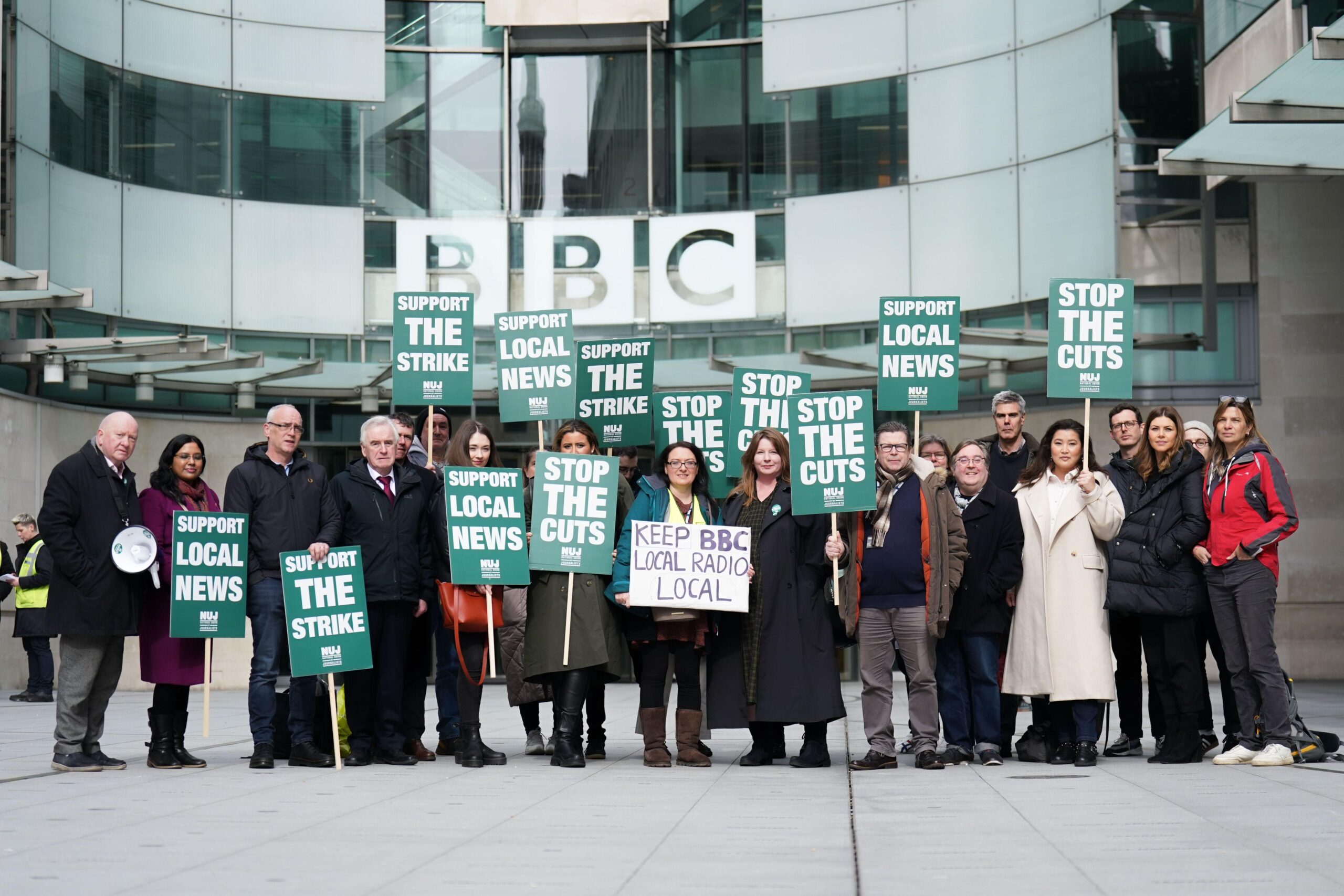
Nothing has been formally confirmed. BBC staff reportedly fear that both channels could be closed or moved online as the corporation searches for another £500 million in savings. Up to 2,000 jobs are already expected to disappear.
If it happens, the BBC will call it adaptation.
It will explain that audiences are moving online, that maintaining conventional channels costs money and that programmes can still be found on iPlayer. All of that will contain some truth.
But it will also conceal a much longer story.
The possible loss of these channels would not be an isolated modernisation. It would be the latest stage in a contraction that has been taking place since 2010.
The licence fee survived. The BBC beneath it did not remain intact.
More Pounds, Less BBC
A colour television licence cost £145.50 when the Conservative-led coalition entered government in 2010. It costs £180 today.
Looking at those two numbers alone, it appears that the BBC has been given more money.
It has not.
Inflation has reduced what that money can purchase. The number of households buying licences has fallen. Production, technology and distribution have become more expensive. Meanwhile, the BBC has been expected to maintain traditional television and radio while simultaneously building iPlayer, BBC Sounds and its wider digital operation.
In cash terms, licence-fee revenue increased from approximately £3.51 billion in 2010–11 to £3.84 billion in 2024–25. In real terms, however, the BBC says its licence income is now around 30% lower than it was in 2010–11—a difference of more than £1 billion every year.
This is how the public can be charged more while receiving less.
The price printed on the demand rises. The service behind it contracts.
The Settlement That Changed Everything
The decisive moment came in October 2010.
The coalition government froze the licence fee at £145.50 for six years. At the same time, it transferred additional financial responsibilities onto the BBC, including funding the World Service, BBC Monitoring, support for the Welsh-language broadcaster S4C and other commitments previously supported by government.
The settlement was estimated to represent a 16% real-terms reduction in the value of the fee. By 2015, the BBC was expected to absorb approximately £340 million in additional annual obligations.
This was not simply a demand for greater efficiency.
The government had altered what the licence fee was required to finance without giving the BBC a corresponding increase in resources. Money collected for British broadcasting was increasingly expected to cover obligations that had previously appeared elsewhere in public expenditure.
The BBC responded with a programme called Delivering Quality First.
The name was characteristically managerial. The substance was less comforting: approximately £700 million in annual savings, around 2,000 job losses and £205 million removed from programme budgets.
BBC Sport faced a 15% spending reduction. BBC Two would carry more repeats and cheaper programmes. Local radio, investigative journalism, current affairs, live music and international broadcasting were all affected.
The political decision established the size of the hole. BBC management decided where to dig.
What Actually Disappeared?
There is no official BBC counter recording every programme lost to austerity.
Some programmes are cancelled because audiences disappear. Others end because presenters leave, formats become exhausted or commissioners want something new. It would be dishonest to treat every programme that ended after 2010 as a government cut.
The documented savings programmes still leave a substantial record.
Early cuts ended or reduced programmes including Beyond Westminster, Taking a Stand and 5 Live Investigates. The Politics Show was abolished and replaced with a cheaper structure built around The Daily Politics. Editions of Law in Action and The Report were reduced, while the regional investigative programme Inside Out faced cuts of approximately 40%.
Radio 3 lost original drama, concerts and live music. Radio 1 and 1Xtra began sharing more output. Local stations were required to share programming.
The online operation was also reduced. Around 200 BBC websites were marked for closure or consolidation in 2011, with approximately 360 jobs affected. Services for young people, community platforms and specialist material were removed or absorbed into larger sections.
BBC Three was taken off conventional television in 2016 and made online-only to save money. It returned to television in 2022, but its budget has subsequently fallen again—from approximately £90 million in 2023–24 to £66 million the following year.
Then came another major round of BBC News cuts in 2020.
Approximately 450 jobs were placed at risk as the division sought £80 million in savings. The daily Victoria Derbyshire programme was cancelled. Watchdog, after more than 40 years as a standalone consumer programme, was reduced to a feature within The One Show. Newsnight and Radio 5 Live lost staff and reporting capacity.
The titles changed. The explanation did not: consolidation, reduced duplication and a shift towards digital.
Local Radio Without Enough Local Radio
Local radio provides one of the clearest examples of how a service can technically survive while much of its purpose is removed.
The BBC retained all 39 local radio stations in England, allowing it to say that none had closed. But the amount of genuinely local programming was substantially reduced.
Stations kept their individual weekday output between 6am and 2pm. After that, local identity increasingly gave way to shared regional programmes.
Across 39 stations, the BBC originally proposed only 18 afternoon programmes between 2pm and 6pm and ten programmes between 6pm and 10pm. Following criticism, the proposed afternoon total was increased to 20, but evenings and weekends still relied heavily on output shared across much larger areas.
The station name remained. The building might remain. The frequency remained.
What disappeared was the person talking specifically to that town or county.
This is the pattern repeated throughout the modern BBC. Closure is no longer always announced as closure. A programme becomes a segment. A local show becomes a regional one. A television channel becomes an iPlayer category. A dedicated newsroom begins taking bulletins produced somewhere else.
The service survives administratively while being hollowed out editorially.
The World Service Warning
The World Service demonstrates what can happen when “digital-first” is used to justify withdrawing established broadcasting before its replacement has secured an equivalent audience.
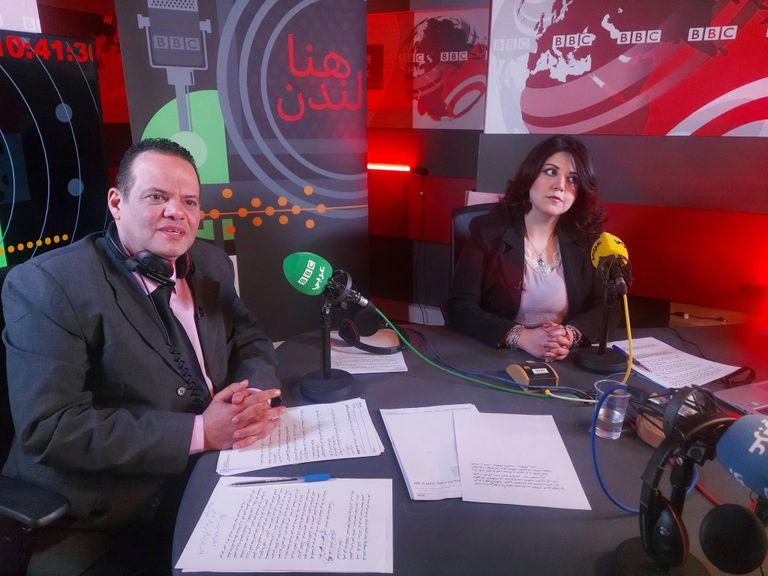
During the earlier round of cuts, five foreign-language services were closed completely and radio broadcasts ended in another seven languages.
From 2022, another savings programme closed radio output in 13 languages and television output in six. These were not merely entertainment channels disappearing from an electronic programme guide. They carried independent news into countries where reliable journalism could be restricted, censored or dangerous to produce.
The National Audit Office found that the World Service’s broadcast closures contributed to an estimated loss of 30 million weekly audience members.
Language services made digital-only suffered a 63% reduction in their total audiences. Their digital audiences also fell rather than replacing everybody lost from television and radio.
Closing the transmitter did not automatically move its listeners online.
That matters far beyond the World Service. It challenges the assumption now being used across the BBC: that programmes remain meaningfully available merely because they have been uploaded somewhere.
Availability is not the same as prominence. A programme placed inside iPlayer must be found, selected and recommended. It competes with everything else on the platform and with every other streaming service.
A channel presents programmes to an audience. A platform waits for an audience to search for them.
When Efficiency Reaches the Screen
For years, BBC executives insisted that savings could come from administration, property, management and technological efficiency.
Eventually, those savings ran out.
By 2021, the National Audit Office reported that the BBC expected 41% of its annual savings to come from reductions to content and the scope of services. Another 11% would come from changes to the scheduling mix, including cheaper programme genres and greater use of repeats.
The cuts had reached the audience.
In 2023, the BBC announced plans to remove approximately 1,000 hours of content. The international documentary strand Our World was abolished. BBC Two would commission fewer standalone documentaries.
Newsnight was reduced to 30 minutes and lost much of its dedicated reporting operation. It retained the name, desk and presenters, but became more dependent on discussion and interviews than original investigation.
HARDtalk was subsequently cancelled after nearly three decades. The Asian Network lost its dedicated news service. Overnight domestic radio bulletins were combined with World Service output.
BBC Scotland’s flagship news programme, The Nine, was scrapped after struggling to attract a consistent live audience.
Radio drama has also contracted. Original and adapted output reportedly fell by more than half between 2018 and 2025, removing one of the few remaining national platforms where new writers, actors and producers could develop without first proving their commercial value.
These are not merely entries removed from a schedule. They are parts of the country’s journalistic and cultural infrastructure.
Once the production teams disappear, the skills and institutional knowledge disappear with them.
Another Round, Another Reinvention
The process has accelerated again in 2026.
The BBC is seeking another £500 million in savings and expects between 1,800 and 2,000 jobs to disappear. The first announced phase includes hundreds of positions across news, content and the nations.
Radio 4 will lose The World Tonight after more than 50 years. Midnight News, Money Box Live, AntiSocial, The Law Show and Crossing Continents are also due to close. Other programmes will be shortened, merged or produced by shared teams.
BBC Sport is cutting jobs and bulletins. Hundreds of hours of audio output are due to be removed across the wider savings programme.
Now attention has turned to BBC Three and BBC Scotland.
The argument for moving them online is not completely irrational. BBC Three has struggled to rebuild a substantial linear audience since returning to television. BBC Scotland is expensive per live viewer, although considerably more people consume its programmes across other BBC platforms.
But this is precisely where the public-service question begins.
BBC Three exists to reach younger audiences whom the BBC already struggles to retain. BBC Scotland represents a visible commitment to Scottish programmes, production and national life.
If the solution to falling engagement is always to reduce the service provided to those audiences, decline becomes self-reinforcing.

Fewer programmes produce smaller audiences.
Smaller audiences justify smaller budgets.
Smaller budgets produce fewer successful programmes.
The institution enters a managed retreat and calls each withdrawal an efficiency.
Who Cut the BBC?
The Conservatives governed from 2010 until 2024. Their licence-fee freezes, transferred obligations and funding settlements created much of the financial structure in which these decisions were made.
The pressure was not only financial.
The licence fee and Royal Charter also became recurring instruments of political leverage. Ministers could raise abolition, decriminalisation or a new funding model whenever relations with the broadcaster deteriorated.
No government needed to telephone an editor and order a programme to be cancelled. The threat was structural. BBC management understood that the institution’s funding and legal existence would periodically be renegotiated by the politicians it was expected to scrutinise.
But Conservative policy cannot explain everything.
Audiences genuinely have moved towards streaming and social media. Younger viewers watch less conventional television. Maintaining parallel broadcast and digital systems is expensive. Some BBC services attracted very small audiences, and some management decisions were poor.
The present Labour government also inherited the problem without immediately resolving it. The latest reductions are being designed and implemented by BBC executives who must be held accountable for their priorities.
Political decisions created the squeeze. Management decisions determined its casualties. Technological change intensified both.
All three belong in an honest account.
The Fee Remained
Since 2010, at least 16 named UK programmes or strands can be directly connected to announced BBC savings and restructures. Dozens of radio, television and language outputs have closed. Hundreds of websites were removed or consolidated. More than 1,000 annual hours of programming disappeared in one recent package alone. Successive redundancy programmes have involved thousands of jobs.
The licence fee, meanwhile, remained.
It rose from £145.50 to £180, leaving many households understandably wondering why a service demanding more money appeared to offer less.
The answer is that the number on the bill tells only half the story.
Successive governments froze the fee, transferred liabilities onto it and allowed inflation to erode its value. Fewer households continued paying. BBC management responded by closing, merging, sharing and digitising. Every round was presented as a necessary modernisation. Every round left the institution a little smaller.
BBC Three and BBC Scotland may survive the latest review. They may remain on television, move online or reappear in another organisational form.
But the direction is no longer difficult to see.
The Conservatives did not abolish the BBC. They made its funding inadequate, its future conditional and its retreat continuous. Management administered that retreat, programme by programme and service by service.
The public kept receiving the demand for payment.
What disappeared was the BBC that payment was supposed to protect.