ROOM TO MOVE
Britain Isn’t Standing Still.
Why the UK can’t respond to the cost-of-living crisis like other countries.
Why isn’t the UK doing the same?
Across the world, governments have stepped in to soften the blow of the cost-of-living crisis.
Free transport. Energy subsidies. Direct payments. Tax cuts.
So the question keeps coming up:
Why isn’t the UK doing the same?
Why does it feel like other countries are doing more — while Britain is holding back?
The answer isn’t simple. And it isn’t comfortable.
Because the UK isn’t just dealing with the same crisis as everyone else.
It’s dealing with it from a weaker position.
What Other Countries Are Doing
TARGETED RELIEF
Australia Financial breathing room.
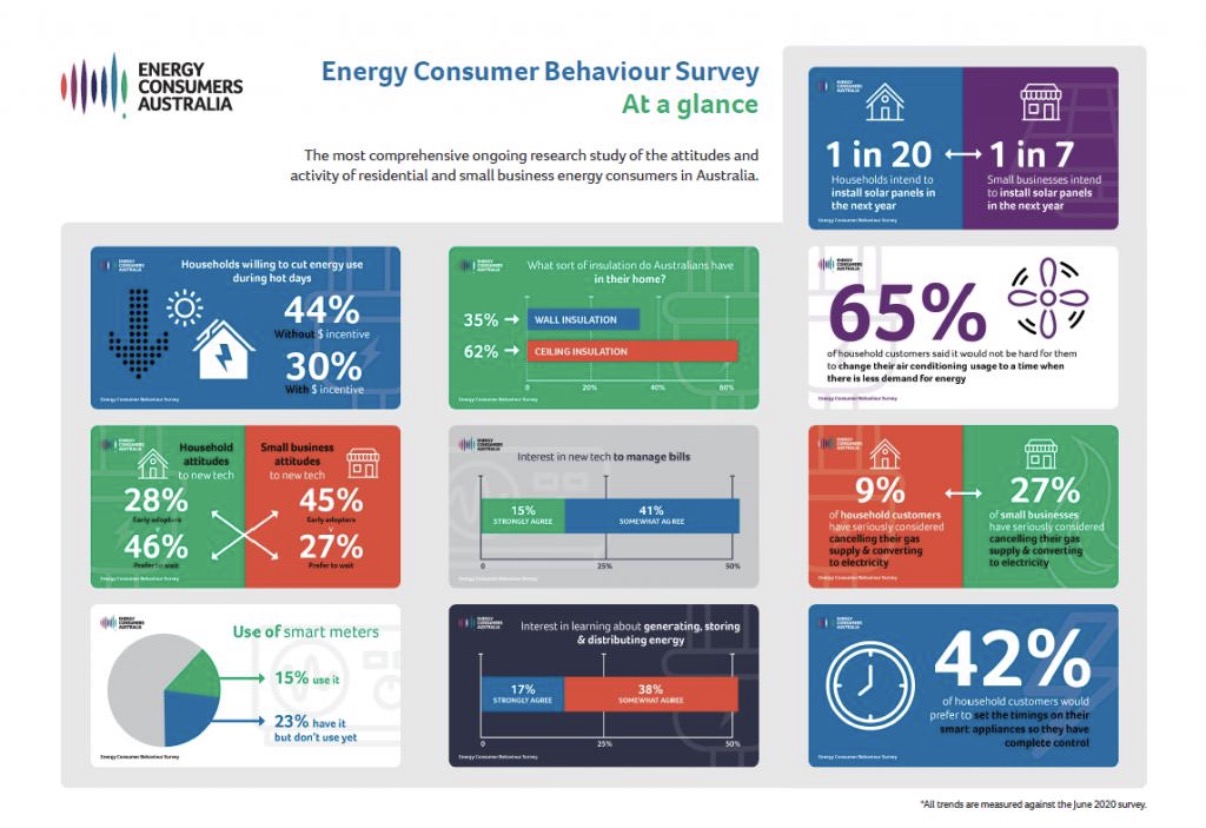
Australia has rolled out a mix of practical, targeted support:
- Energy bill rebates
- Rent assistance increases
- Temporary free or discounted public transport at state level
- Cost-of-living payments
These measures aren’t radical — but they are visible and immediate.
And crucially, Australia has been able to afford them.
A strong export economy — driven by commodities like iron ore and gas — combined with recent budget surpluses has given the government financial breathing room.
NATIONAL WEALTH
Norway Using accumulated wealth to shield households.
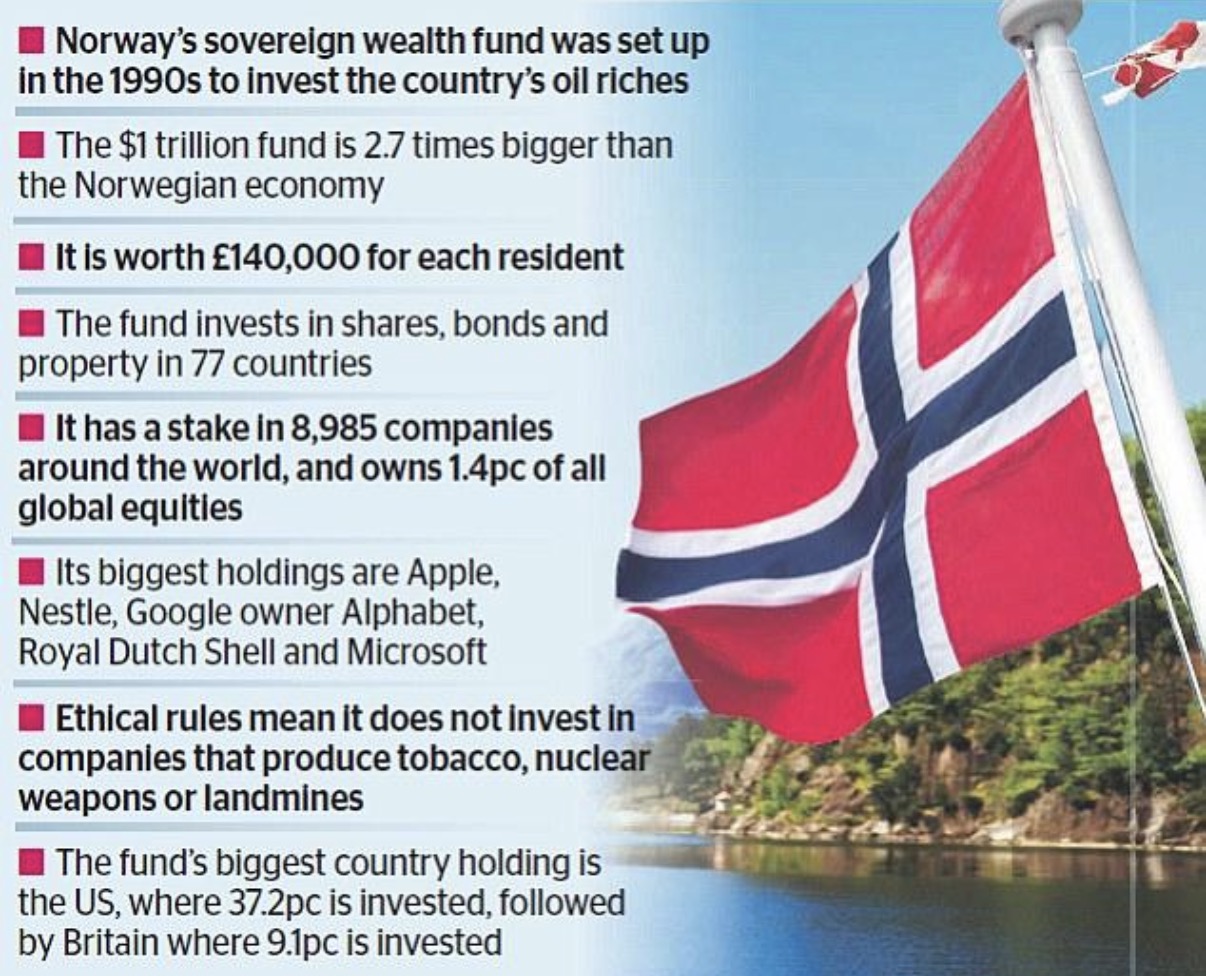
Norway has taken a more aggressive approach:
- Large-scale electricity bill subsidies
- Direct financial support during energy price spikes
But Norway is operating in a completely different league.
Its sovereign wealth fund — the Government Pension Fund Global — is worth over a trillion dollars, built on decades of oil and gas revenues.
This isn’t just policy.
It’s accumulated national wealth being deployed in a crisis.
WINDFALL REVENUES
Ireland Cash flow the UK does not have.
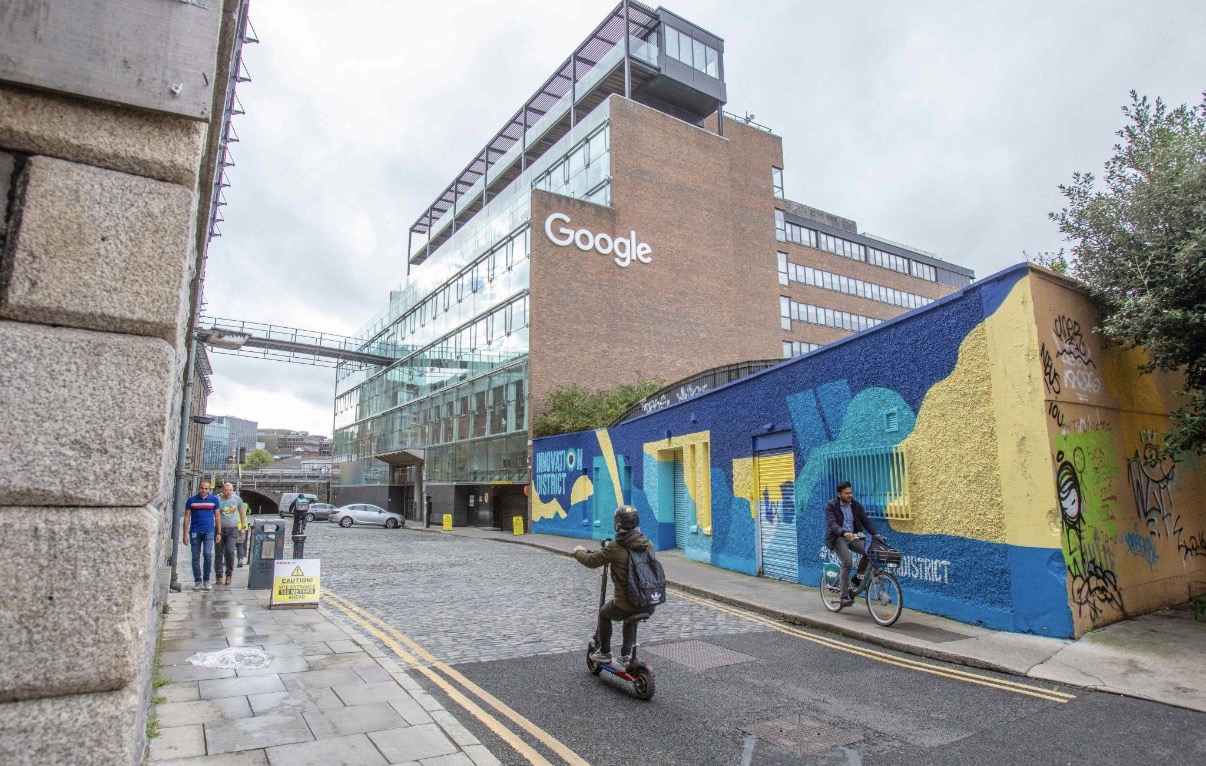
Ireland has introduced:
- Energy credits for households
- Lump-sum cost-of-living payments
- Welfare increases
The key driver behind this is a surge in corporate tax revenues — largely from multinational tech and pharmaceutical companies.
This has created a temporary but powerful fiscal advantage.
Ireland isn’t immune to pressure — but right now, it has cash flow that the UK does not.
STATE INTERVENTION
Germany Large-scale intervention.
Germany has gone big:
- €9 public transport ticket, later replaced by a subsidised national ticket
- Energy price caps
- Major subsidies for households and industry
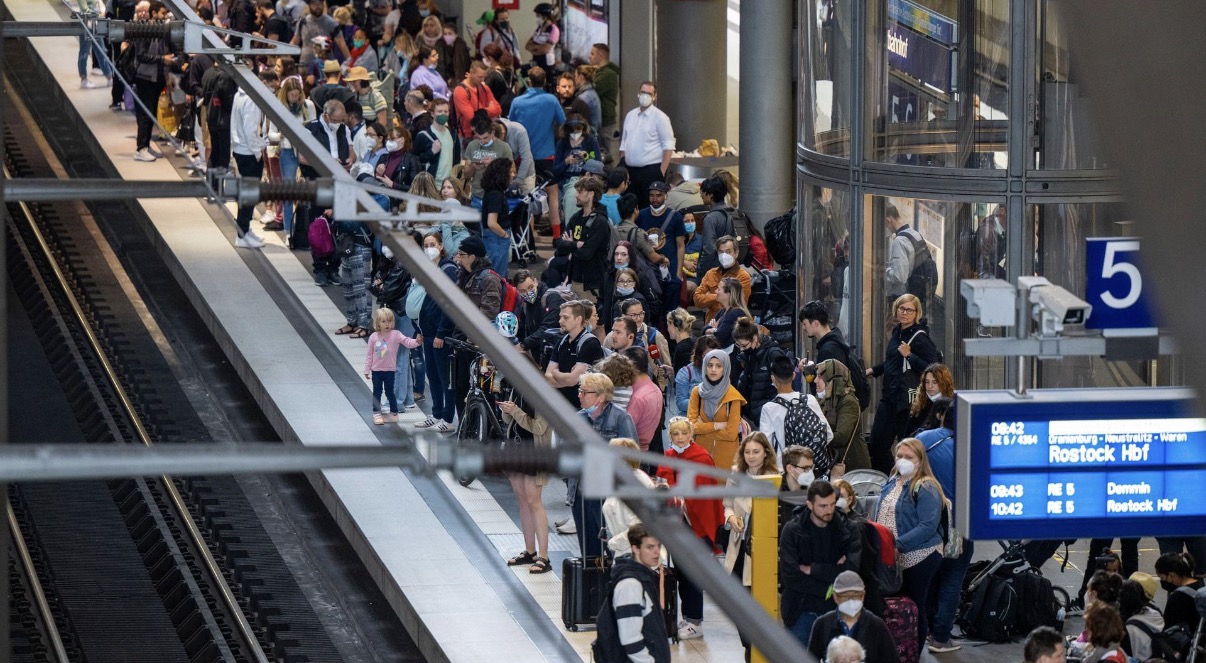
This is possible because Germany entered the crisis with:
- Strong industrial output
- A history of fiscal discipline
- More room to borrow without destabilising markets
PRICE CONTROL
France State protection remains politically normal.
France has focused on direct intervention:
- Energy price caps
- Fuel subsidies
- Continued state involvement in pricing
These policies are expensive — but politically acceptable in a system that prioritises state protection.
03 / THE COMMON THREAD
The Pattern Behind All of This
Across these countries, one pattern becomes clear.
They are able to act more decisively because they have at least one major advantage:
- Natural resource wealth Norway, Australia
- Strong recent growth or tax windfalls Ireland
- Fiscal discipline before the crisis Germany, Netherlands
- Political willingness to spend heavily France, Spain
They entered the crisis stronger.
Why the UK Is Different
The UK is not facing a lack of ideas.
It is facing a lack of room to act.
Weak Growth Over Time
For over a decade, the UK has struggled with low productivity and slow economic growth. This limits tax revenues and reduces flexibility.
The Impact of Brexit
Brexit introduced trade friction, reduced labour mobility, and added long-term pressure to growth.
The effects are complex — but they matter.
High Debt and Existing Commitments
The UK already carries significant spending obligations:
- NHS
- Pensions
- Welfare
Adding large new support packages is not straightforward.
Market Sensitivity After the September 2022 UK Mini-Budget Crisis
This moment reshaped how markets view UK fiscal policy.
It showed that:
- Borrowing can quickly become expensive
- Confidence can drop fast
That has made governments far more cautious.
Political Strategy Under Keir Starmer
The Labour Party has chosen to prioritise:
- Stability
- Credibility
- Market confidence
That means:
Even where action is possible, it is likely to be limited and targeted.
05 / EXPECTATION VS CAPACITY
The Reality Behind the Frustration
It’s easy to look at other countries and ask why Britain isn’t doing the same.
But that comparison misses something important.
Countries like Norway and Australia are drawing on structural strengths built over decades.
Countries like Ireland are benefiting from unique economic conditions.
The UK, by contrast, entered this crisis with:
- Slower growth
- Higher constraints
- Greater exposure to market reaction
This isn’t a story of inaction.
It’s a story of constraint.
Britain isn’t failing to act like other countries. It’s operating within tighter limits.
And that reality shapes everything — including politics.
What looks like hesitation is often caution. What looks like indecision is often constraint.
Even within government, there is no single direction. There are competing instincts:
That tension doesn’t produce clarity. It produces friction.
And while attention shifts toward personalities, leadership struggles, and political theatre, the underlying pressures don’t change.
And until those limits are confronted directly, the gap between expectation and reality will only grow.