There’s Nothing
Gay About
Being Gay.
Sexuality tells you who somebody is attracted to. We decided it was supposed to tell us everything else.
I’m bisexual.
That sounds like a significant piece of information about me. And I suppose, in one very specific sense, it is.
But it tells you considerably less about me than people seem to think it does.
It doesn’t tell you how I speak. It doesn’t tell you what I wear. It doesn’t tell you what music I listen to, what interests me, whether I’m masculine or camp, what kind of body I have, what kind of people I spend my time with, or what sort of life I live.
It tells you something about who I can be attracted to.
That’s about it.
“ Sexuality tells you something about who I desire. You decided it was supposed to tell you who I am.
Everybody thought
I was straight.
Before I came out, most people assumed I was straight.
Nobody had conducted an investigation. Nobody had asked me for evidence. They simply looked at me, listened to me, watched how I behaved and put me into the heterosexual box.
And when I eventually came out, some people were surprised. Some were more than surprised.
Which raises a much more interesting question.
What exactly were they expecting bisexuality to look like?
Apparently I had failed to display whatever collection of signals they had been taught meant gay.
But I hadn’t suddenly become bisexual when I told them. I was exactly the same person five minutes afterwards as I had been five minutes before.
Camp isn’t gay.
Masculine isn’t straight.
Somewhere along the way we turned sexuality into a personality test.
A camp man can be straight, gay or bisexual. A gay man can be extraordinarily masculine. A bisexual man doesn’t have to sit somewhere aesthetically between the two.
Your clothes aren’t a sexuality. Your voice isn’t a sexuality. Your hobbies aren’t a sexuality. Your mannerisms aren’t a sexuality.
Yet we still behave as though orientation ought to be visible.
I’ve got a type.
And yes, that applies to women too.
I’m bisexual. I’m attracted to men and women. But even that doesn’t tell you what attraction actually looks like for me.
With women, I’ve always liked women with some weight to them. Fuller. Curvier. A body with presence.
Kelly Brook has always been my kind of woman. Beyoncé too.
That’s simply what catches my eye.

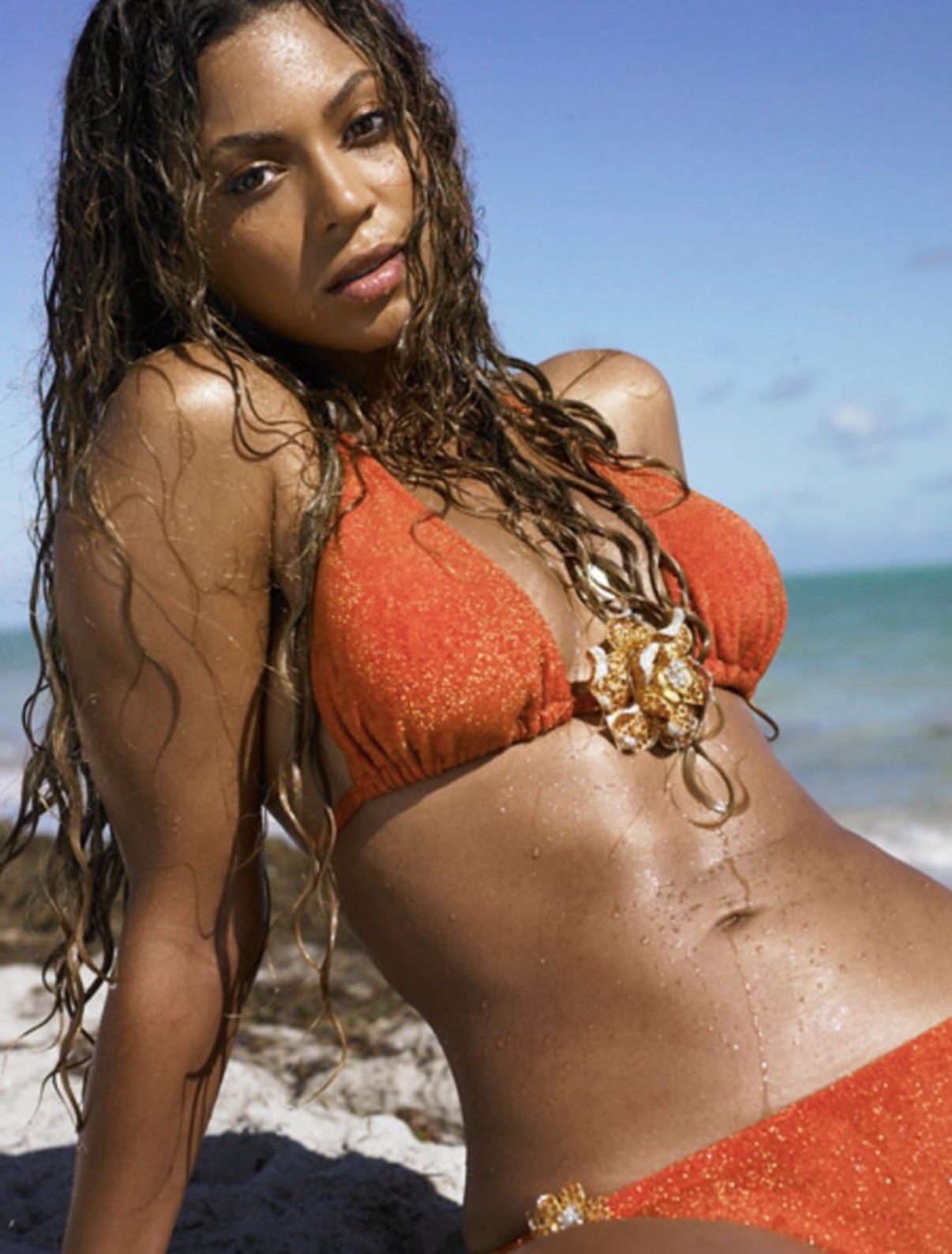
Nobody finds it particularly complicated when a straight man says he prefers blondes, brunettes, tall women, short women, athletic women or curvier women.
We understand instinctively that heterosexuality describes the direction of attraction — not every individual preference contained within it.
Bisexuality is no different.
Give me a bigger bloke.
My taste in men is pretty clear too.
Bigger. Chubby. Bearded.
That’s much more likely to turn my head than the stereotypical image we’re constantly sold of the perfect male body.
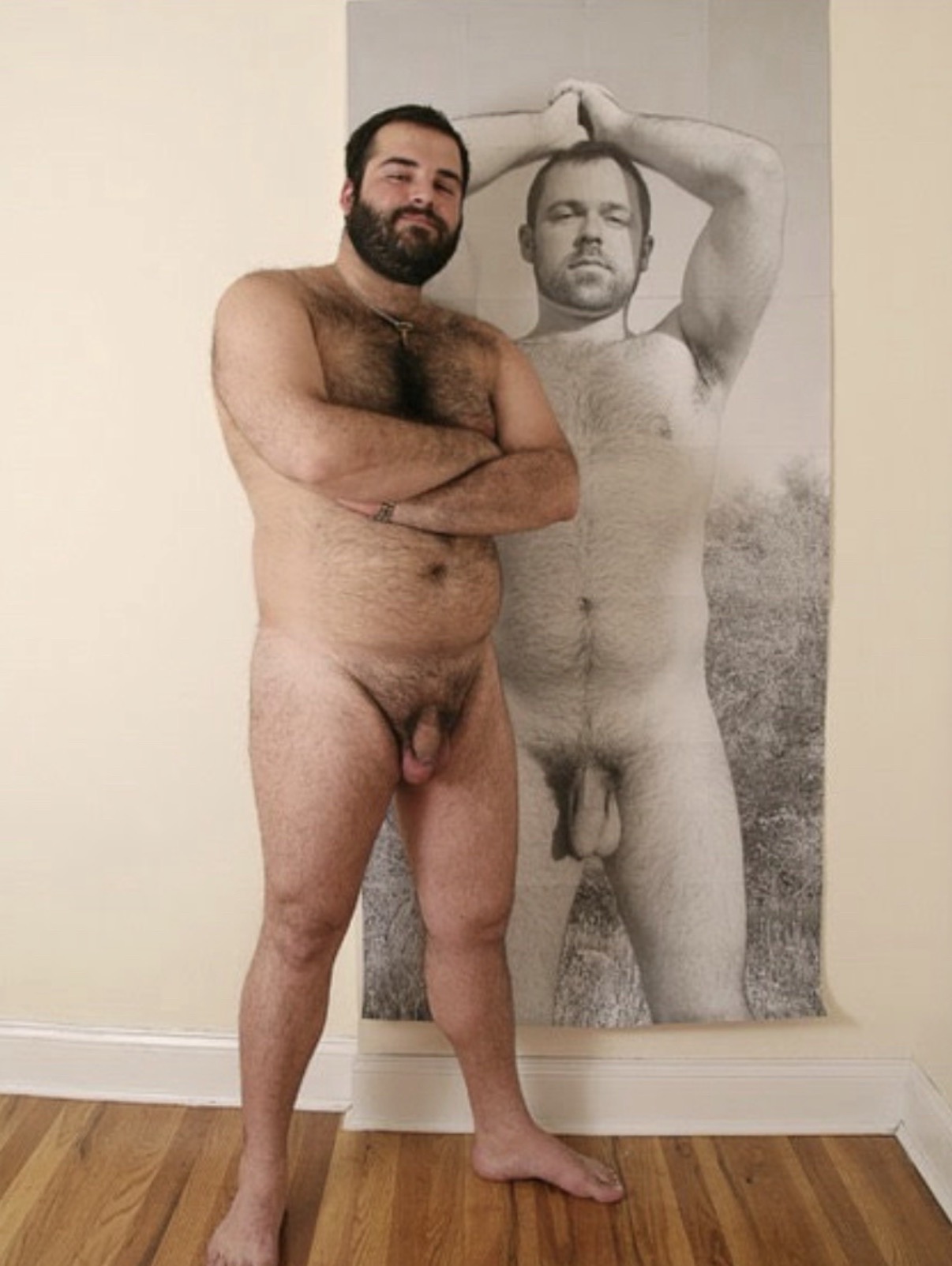
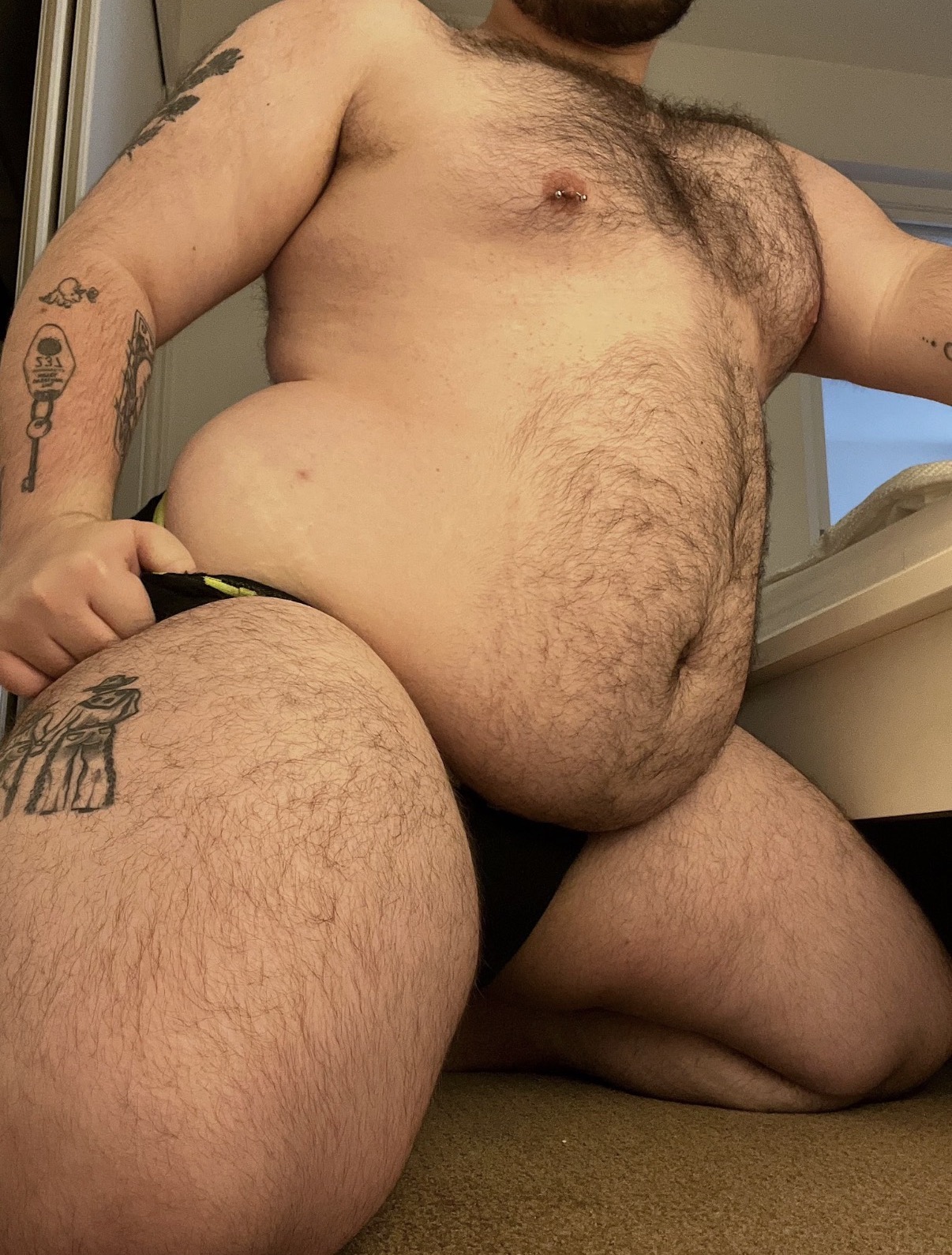
And again: neither attraction requires an explanation.
The interesting thing is how comfortable society is with the idea that heterosexual people have extraordinarily specific tastes, while LGBT people are so often reduced simply to the sex they’re attracted to.
“He likes men” tells you almost nothing about which men.
Just as “he likes women” tells you almost nothing about which women.
And then there’s Kinsey.
We love neat statistics about sexuality.
One in ten. Two in ten. X per cent gay. X per cent bisexual.
But before throwing numbers around, there’s a basic question worth asking:
What exactly are we measuring?
Identity? Attraction? Sexual behaviour? Fantasy? Who somebody is sleeping with today? Who they’ve slept with previously? Or simply which box they were prepared to tick on a survey?
Predominantly homosexual, but more than incidentally heterosexual — using the traditional Kinsey description.
If you want to put me on Kinsey’s scale, I’m a four.
That’s useful as a description. It isn’t my personality.
And the important point isn’t that everybody is secretly gay, or that everybody is bisexual, or that humanity divides itself fifty-fifty.
It is that identity, attraction and behaviour are not always interchangeable measurements.
A percentage telling us how many people identify as gay cannot automatically tell us every attraction experienced by everybody who didn’t tick that box.
GO DEEPER THE KINSEY SCALE READ THE FULL ARTICLE →You Just
Don’t Know.
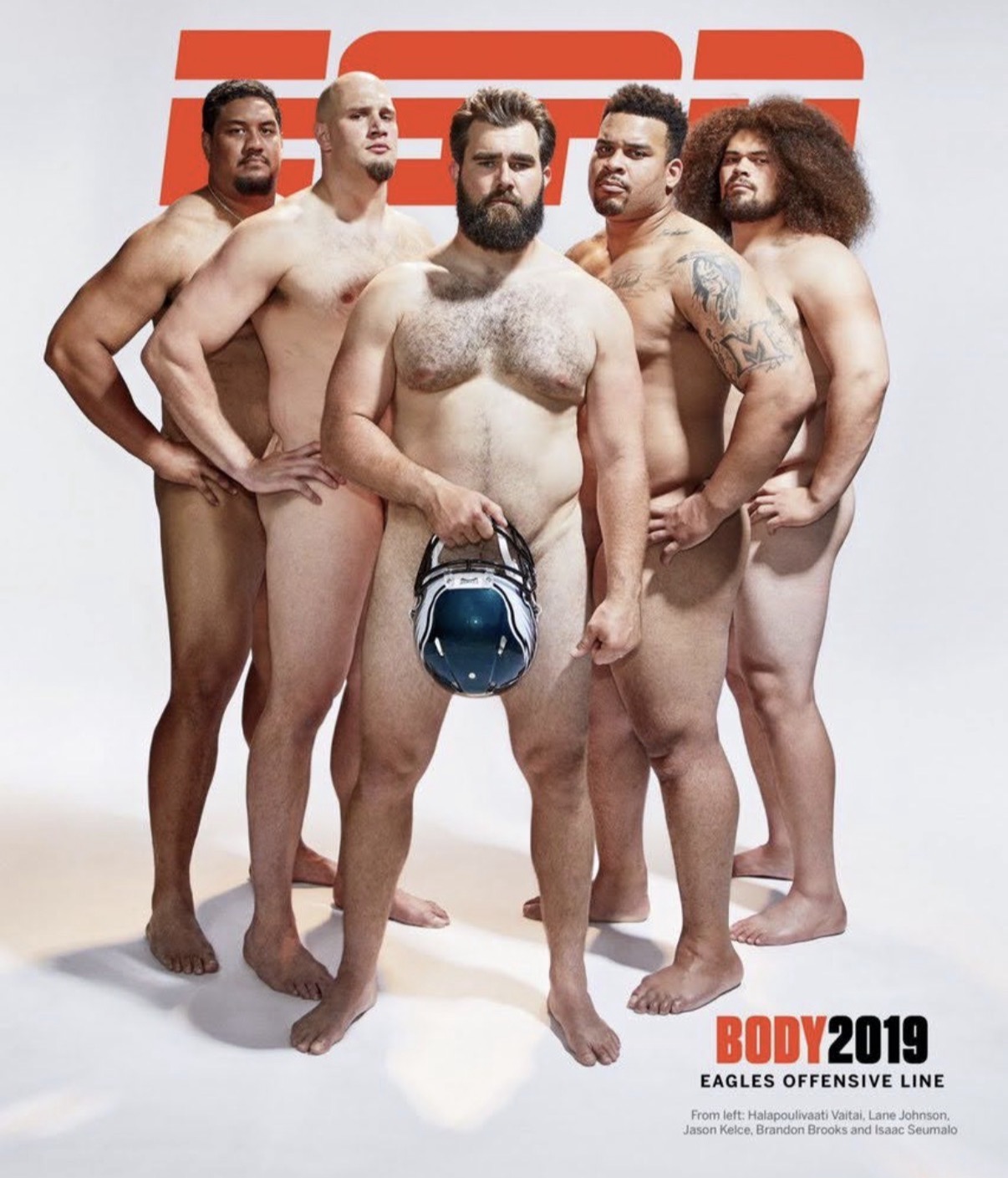
And that’s the point.
You don’t know somebody’s sexuality because they’re married to a woman.
You don’t know because they’re married to a man.
You don’t know from their voice, their clothes, their body, their mannerisms, whether they’re camp, whether they’re masculine, or whether somebody once told you they “look straight.”
People looked at me and thought they knew.
They didn’t.
And behind that simple fact is a much bigger story about assumptions, growing up, attraction, coming out, bisexuality, masculinity and what happens when the person people think they know tells them something that doesn’t fit the character they’ve already written for him.
That’s the story I’m going to tell next.
There’s nothing gay about being gay. There’s just being yourself.
Everybody Thought
I Was Straight.
The public argument ends here. The personal story doesn’t.