Britain’s Railways | Unsent

UNSENT / INFRASTRUCTURE · RAILWAY HUB

A NATIONAL HISTORY

BRITAIN’S RAILWAYS

Connected. Cut. Rebuilt.

Britain built one of the world’s most extensive railway systems. Then it began taking parts of it away. Now it is maintaining, reconnecting and rebuilding the network.

BUILT · CLOSED · REOPENED — CONCEPTUAL NETWORK DIAGRAM
FOLLOW THE LINE ↓

EIGHT CHAPTERS

A network shaped by generations of decisions.

From Victorian expansion and Beeching to privatisation, reopening and the railway Britain needs next.

1825Stockton & Darlington
1830Liverpool & Manchester
1923Big Four
1948Nationalisation
1963Beeching report
1994–97Privatisation
2015Borders Railway
2024Northumberland Line
● 01
CHAPTER 01 / 1825–1900

The Railway Revolution

Private railways connected factories, ports, towns and cities, reshaping Britain’s economy.
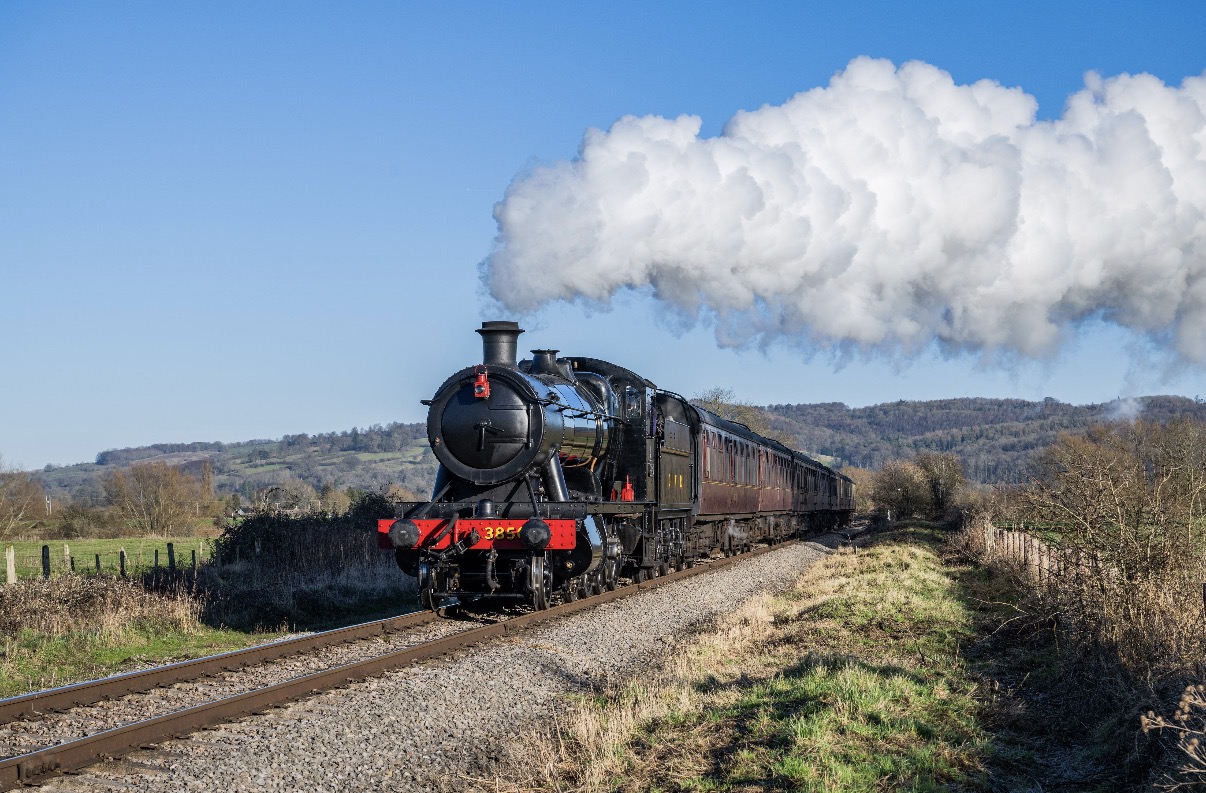
IMAGE 01Replace images/steam.jpg with your photograph
FIG 01 / The Railway Revolution — add source and credit
EXPLORE RELATED ARTICLES ↗
● 02
CHAPTER 02 / 1900–1948

The Network at Its Peak

An extensive network served industrial and rural Britain. The Big Four were formed in 1923, before nationalisation in 1948.
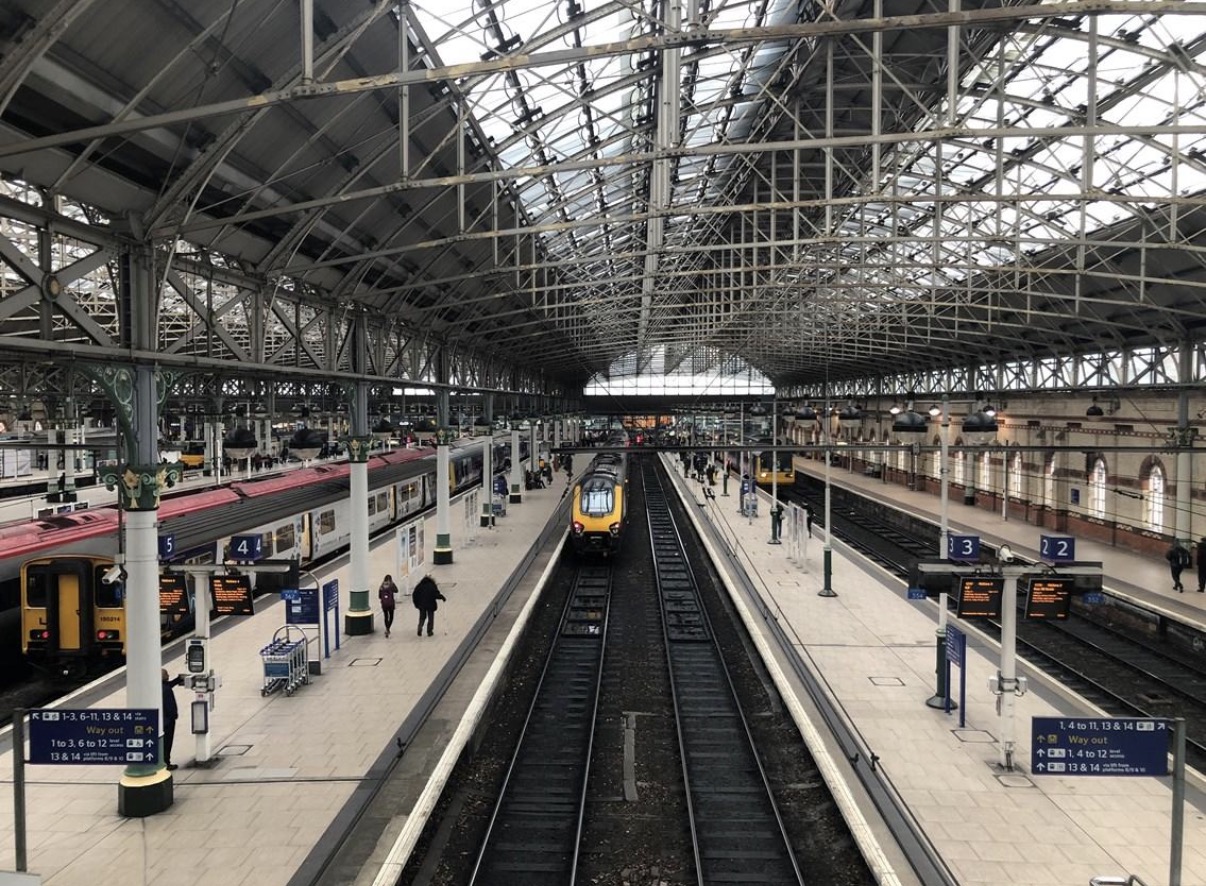
IMAGE 02Replace images/peak.jpg with your photograph
FIG 02 / The Network at Its Peak — add source and credit
EXPLORE RELATED ARTICLES ↗
● 03
CHAPTER 03 / 1950s–1970s

Beeching and the Great Closures

Closures predated the 1963 Beeching report. Financial pressures, car ownership and road investment reshaped transport policy.
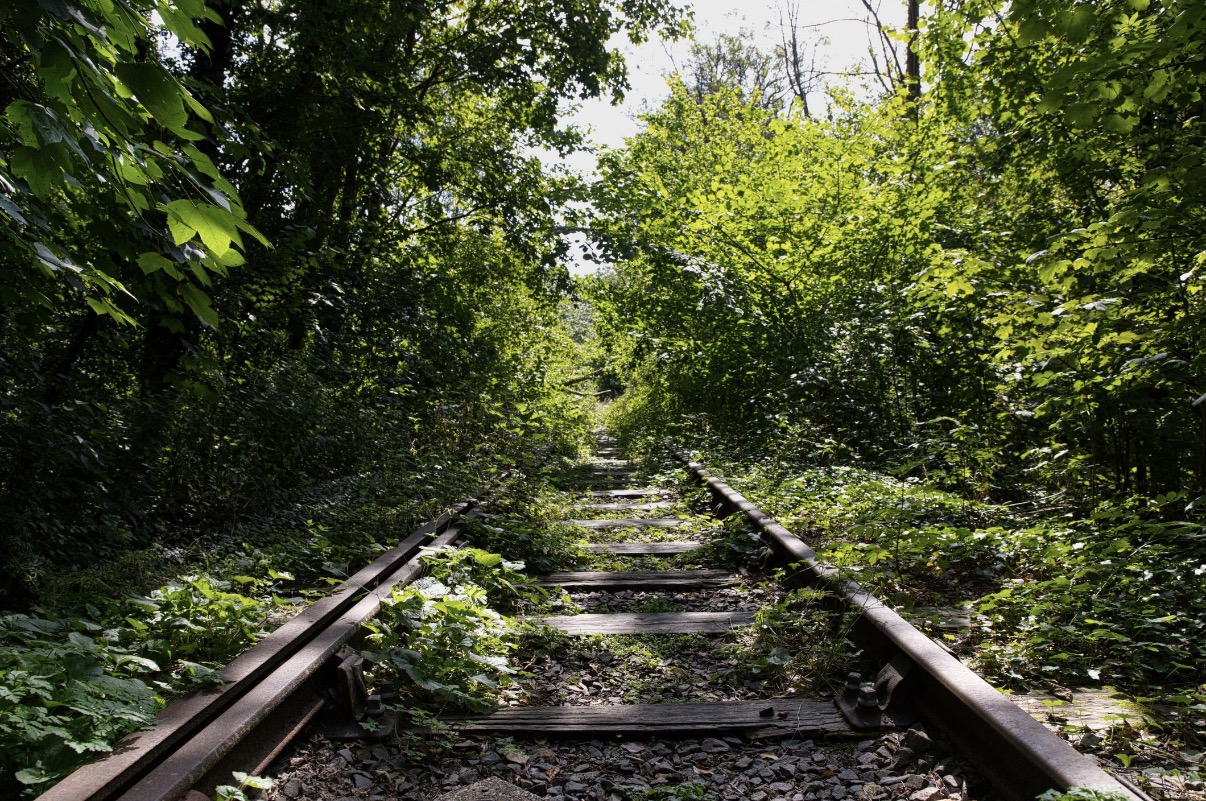
Railway photograph illustrating Beeching and the Great Closures
IMAGE 03Replace images/beeching.jpg with your photograph
FIG 03 / Beeching and the Great Closures — add source and credit
EXPLORE RELATED ARTICLES ↗
● 04
CHAPTER 04 / 1960s–today

The Railway Britain Lost

Major corridors, local branches and links into London disappeared. Their loss changed access to jobs, services and towns.
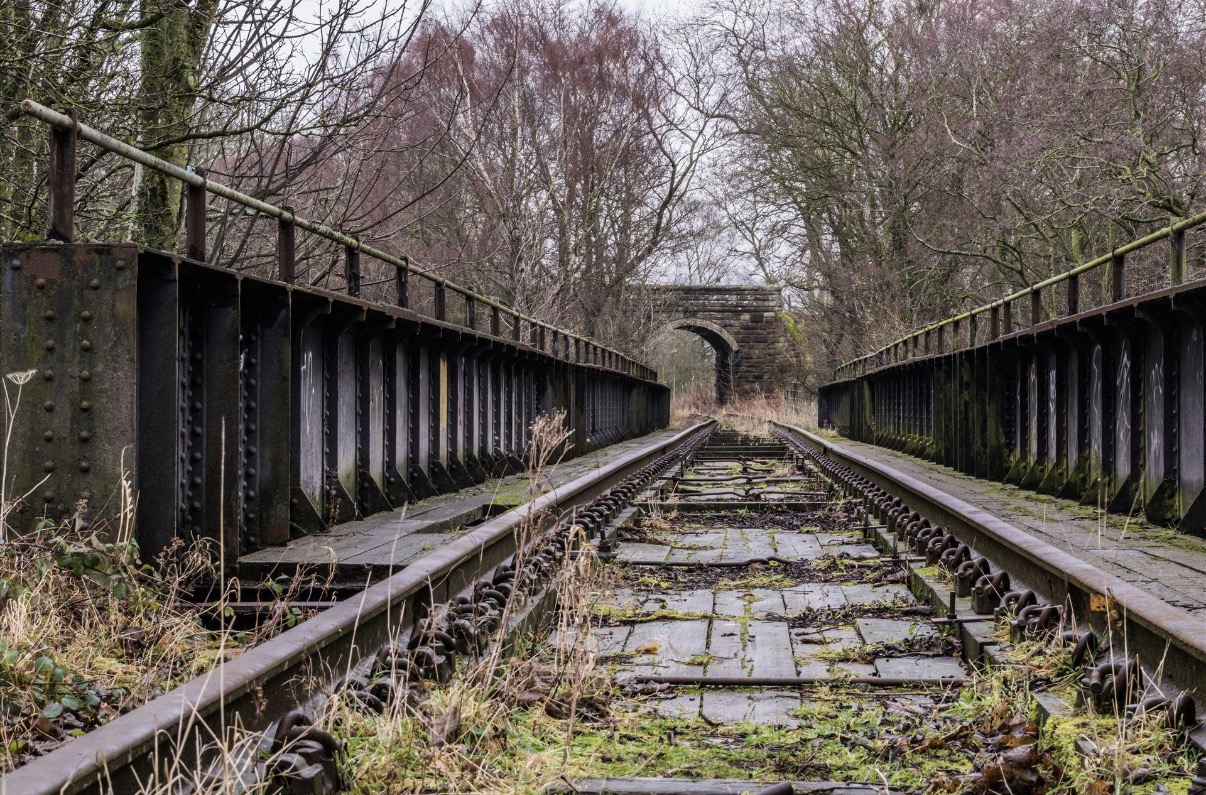
Railway photograph illustrating The Railway Britain Lost
IMAGE 04Replace images/lost.jpg with your photograph
FIG 04 / The Railway Britain Lost — add source and credit
EXPLORE RELATED ARTICLES ↗
● 05
CHAPTER 05 / 1950s–2000s

British Rail and Privatisation

Dieselisation, electrification and InterCity changed services. Privatisation in the 1990s reorganised railway ownership and operation.
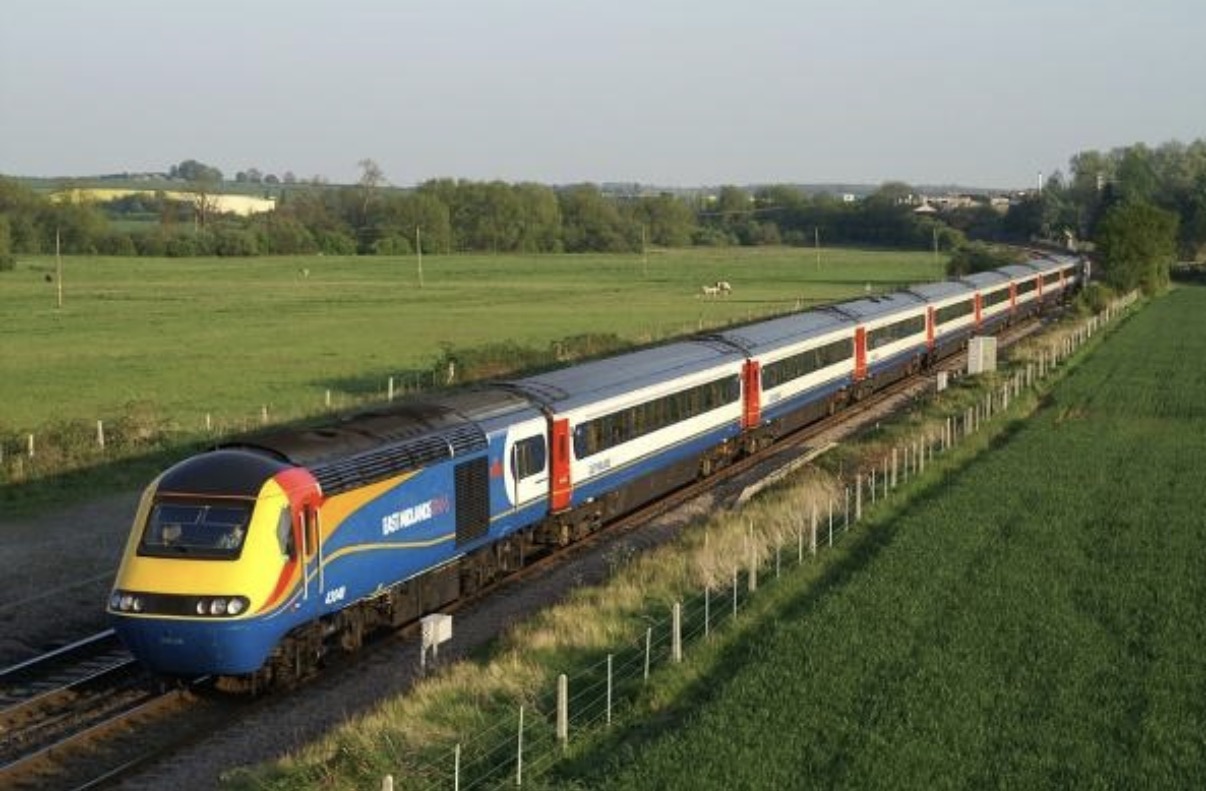
Railway photograph illustrating British Rail and Privatisation
IMAGE 05Replace images/intercity.jpg with your photograph
FIG 05 / British Rail and Privatisation — add source and credit
EXPLORE RELATED ARTICLES ↗
● 06
CHAPTER 06 / 2000s–today

Rebuilding the Lost Network

The Borders Railway and Northumberland Line show the potential of restoration, alongside its costs and practical challenges.
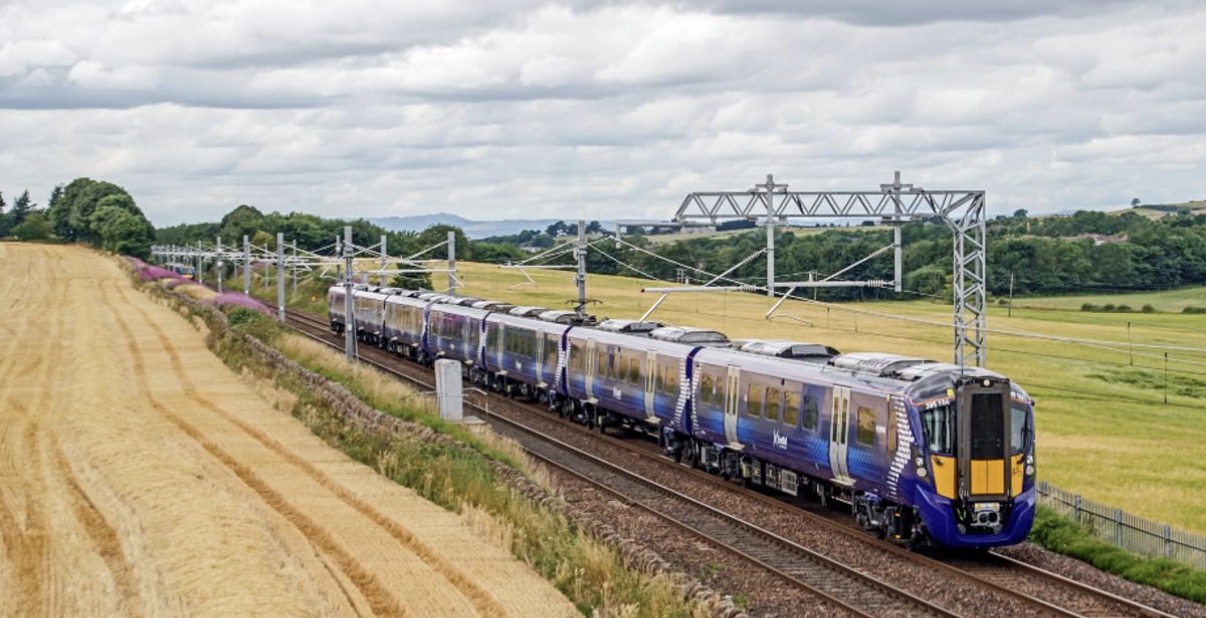
IMAGE 06Replace images/reopening.jpg with your photograph
FIG 06 / Rebuilding the Lost Network — add source and credit
EXPLORE RELATED ARTICLES ↗
● 07
CHAPTER 07 / Today

Britain’s Modern Railway Problems

HS2, East West Rail and other projects expose the challenges of costs, capacity, coordination and delivery.
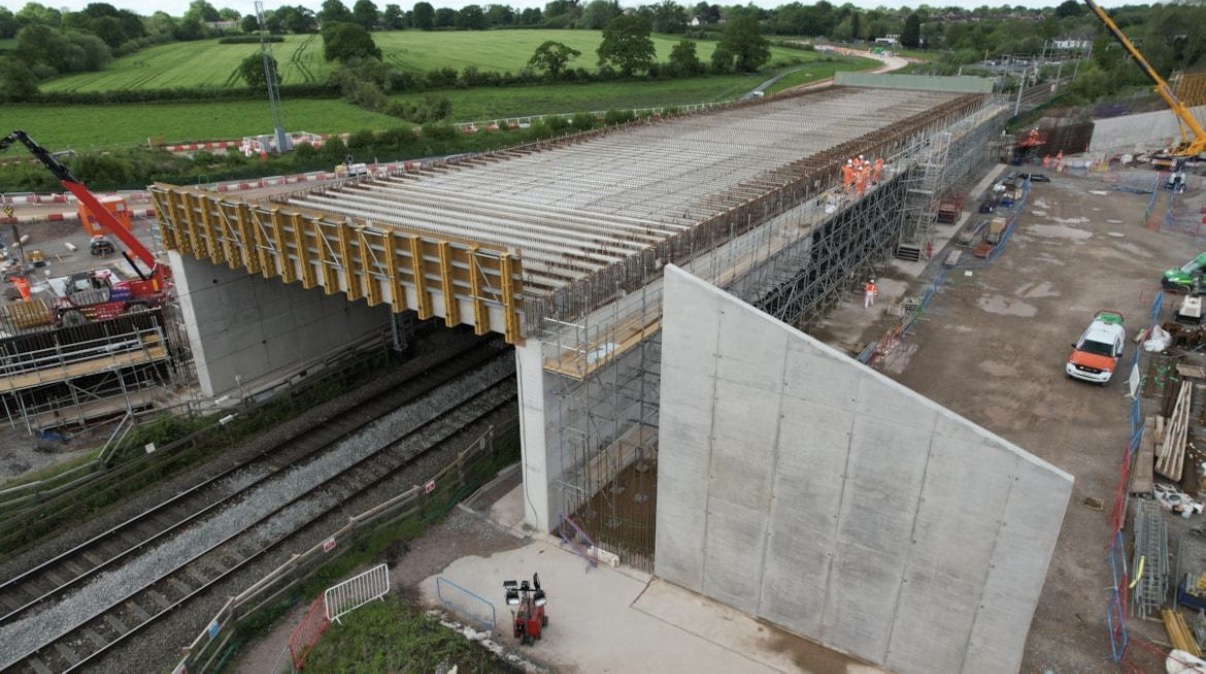
Railway photograph illustrating Britain’s Modern Railway Problems
IMAGE 07Replace images/hs2.jpg with your photograph
FIG 07 / Britain’s Modern Railway Problems — add source and credit
EXPLORE RELATED ARTICLES ↗
● 08
CHAPTER 08 / Tomorrow

The Railway Britain Needs

Rail connectivity shapes productivity, housing, employment and freight. The future requires balancing public value and affordability.
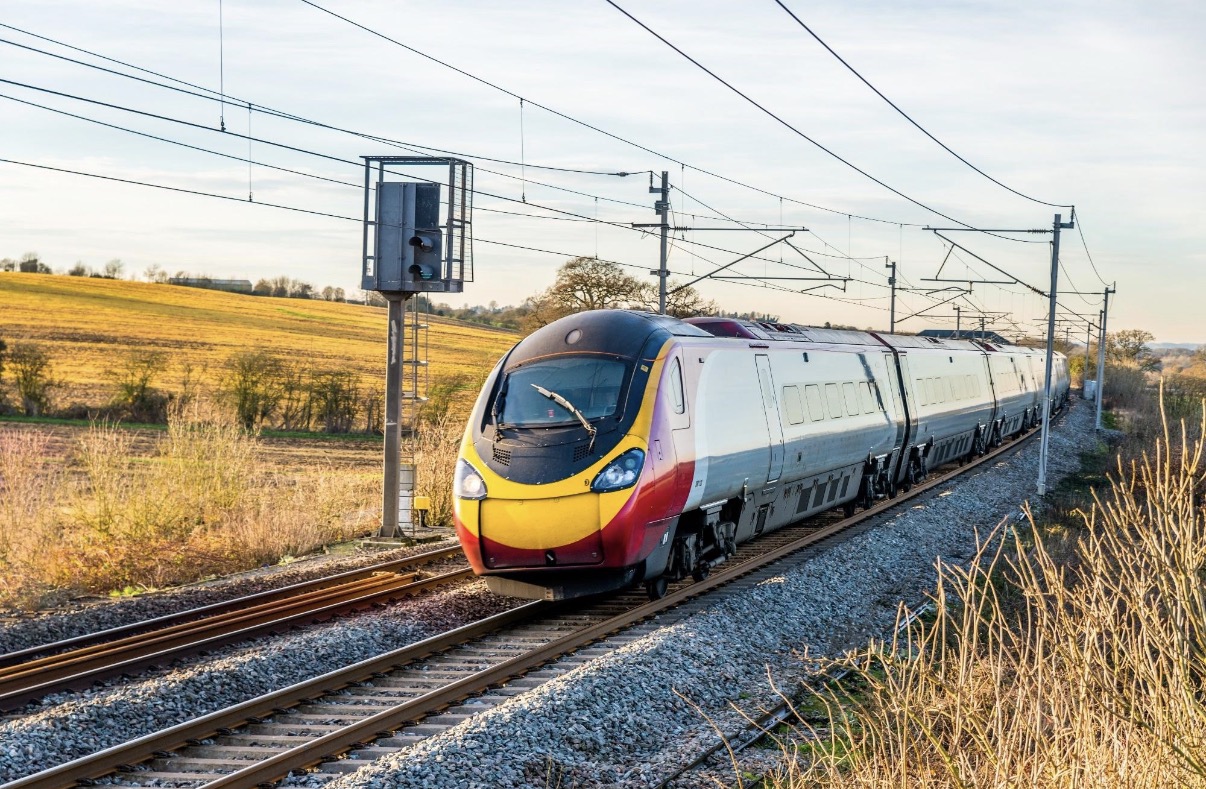
Railway photograph illustrating The Railway Britain Needs
IMAGE 08Replace images/future.jpg with your photograph
FIG 08 / The Railway Britain Needs — add source and credit
EXPLORE RELATED ARTICLES ↗
NOT NOSTALGIA

Connected. Cut. Rebuilt.

Not every closure was a mistake, and not every lost railway should return. But infrastructure decisions compound. So do their consequences.

This is Britain’s railway story.