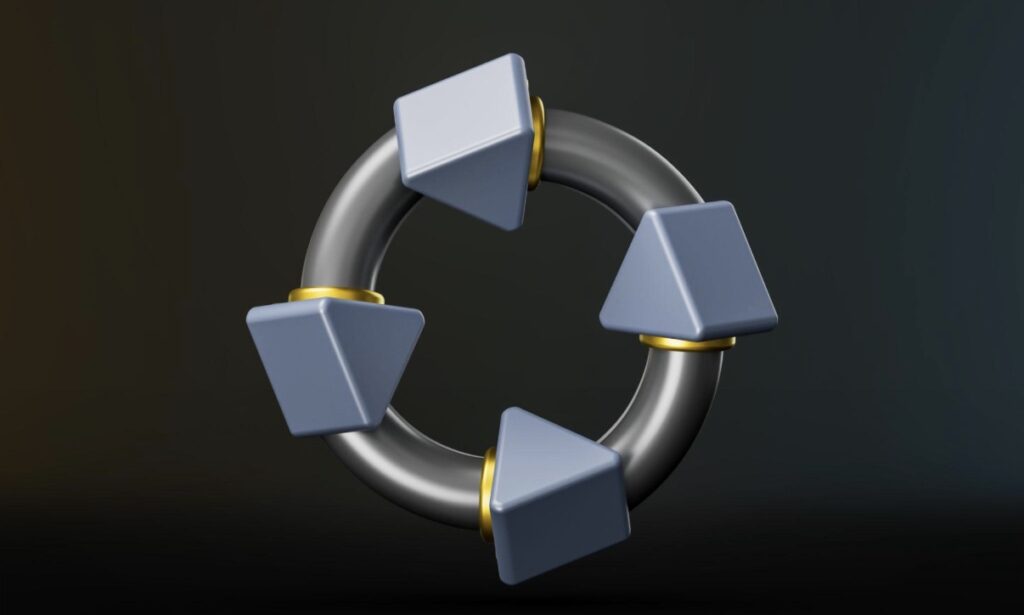
SYSTEM 04 — FEEDBACK LOOPS
What sustains itself, quietly, repeatedly.
OUTPUT BECOMES INPUT. PATTERNS BECOME CYCLES.
Feedback loops are what keep systems in motion.
They take an outcome and feed it back into the system, reinforcing the same result over time.
Once established, they reduce the need for active control.
THE RESULT BECOMES THE CAUSE.
Once output returns as input, the system no longer needs to be pushed in the same way.
- 01
Success leading to more opportunity
- 02
Disadvantage leading to further limitation
- 03
Narratives reinforcing behaviour
- 04
Systems producing the same outcomes repeatedly
- 05
Cycles that become harder to interrupt
Feedback loops explain why systems persist.
They turn patterns into ongoing cycles.
Without intervention, they strengthen over time.
The longer a loop runs, the more stable it becomes.
It creates momentum, expectation, and resistance to change.
Breaking a loop requires disruption — not just awareness.
IN PRACTICE
Examples of feedback loops in motion.
-
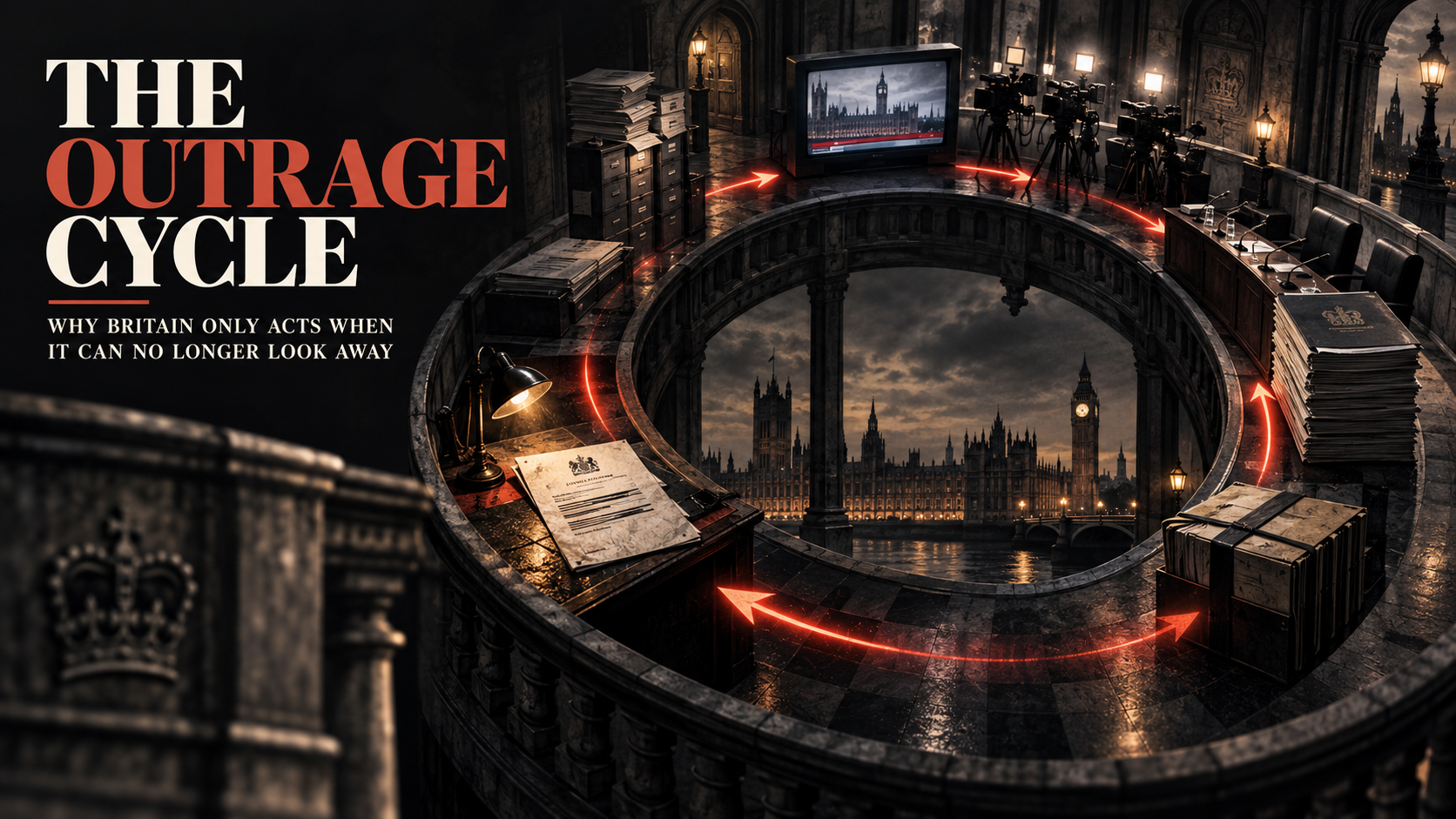
The Outrage Cycle
Britain rarely acts when warnings first appear. It waits until evidence becomes scandal, scandal becomes outrage, and doing nothing becomes impossible. ⚠️🔄
-
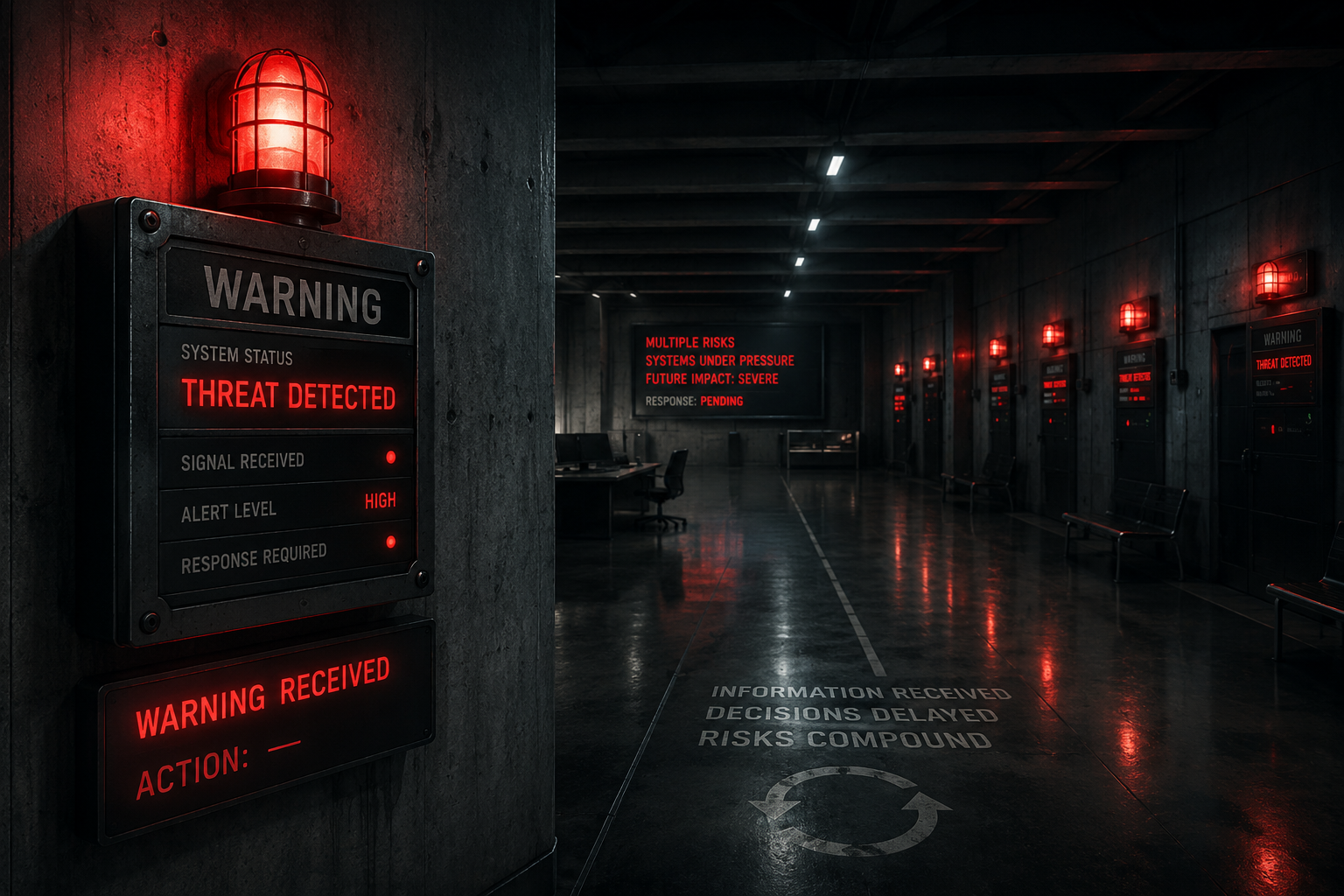
Britain Doesn’t Hate Fear
⚠️ Britain consumes fear every day. But when a warning implicates our economy, consumption and political choices, fear suddenly becomes “doom and gloom.” The problem isn’t fear. It’s what the truth asks us to change.
-
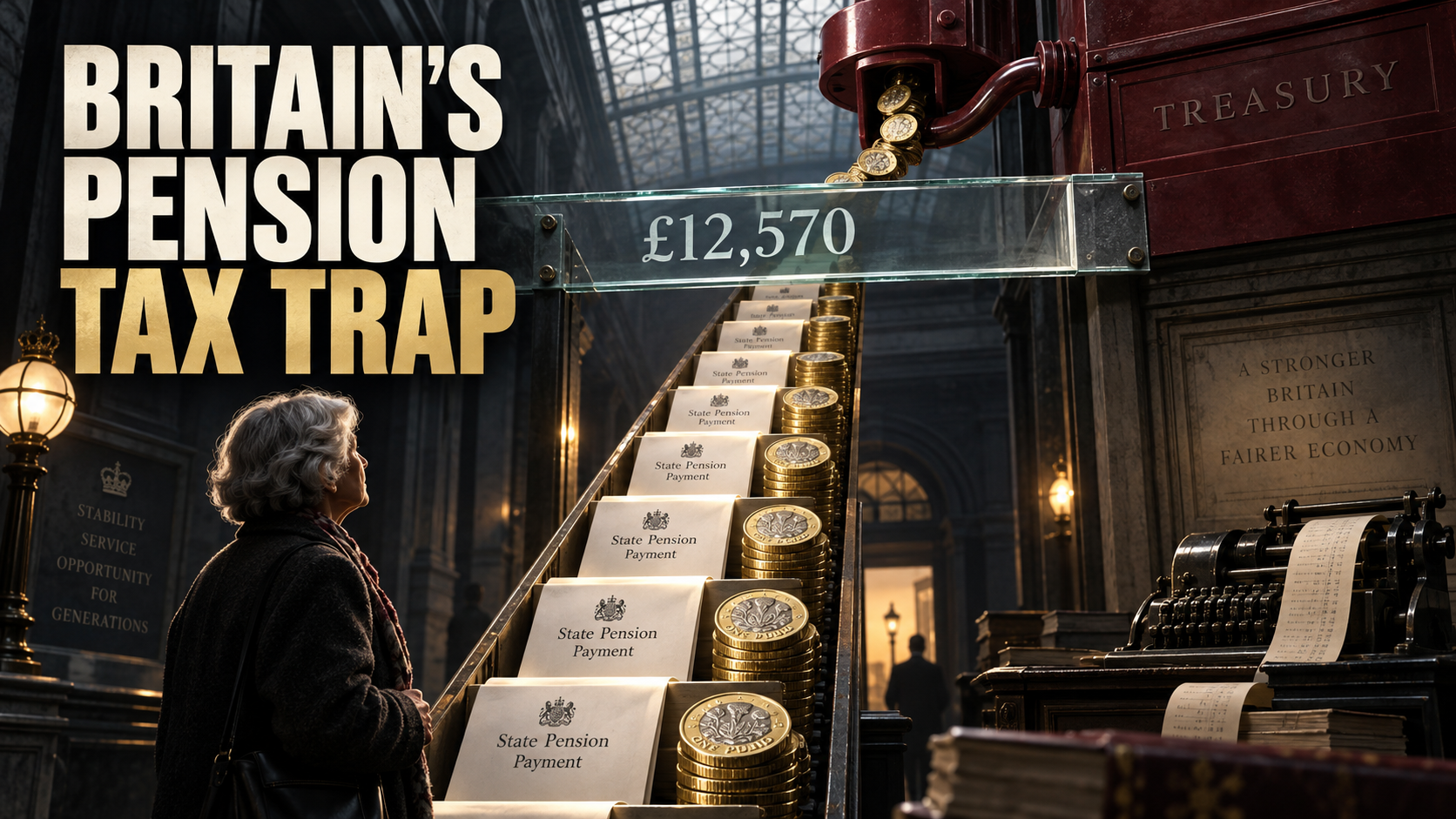
Britain’s Pension Tax Trap
💷 The State Pension is rising above Britain’s frozen tax-free allowance. One policy gives pensioners more—while another quietly takes part of it back. 📈
-
Who Killed London After Dark?
🌃 London’s nightlife is disappearing while City Hall, councils, police and government blame one another. Everyone has power, but nobody accepts responsibility. 🔄
-
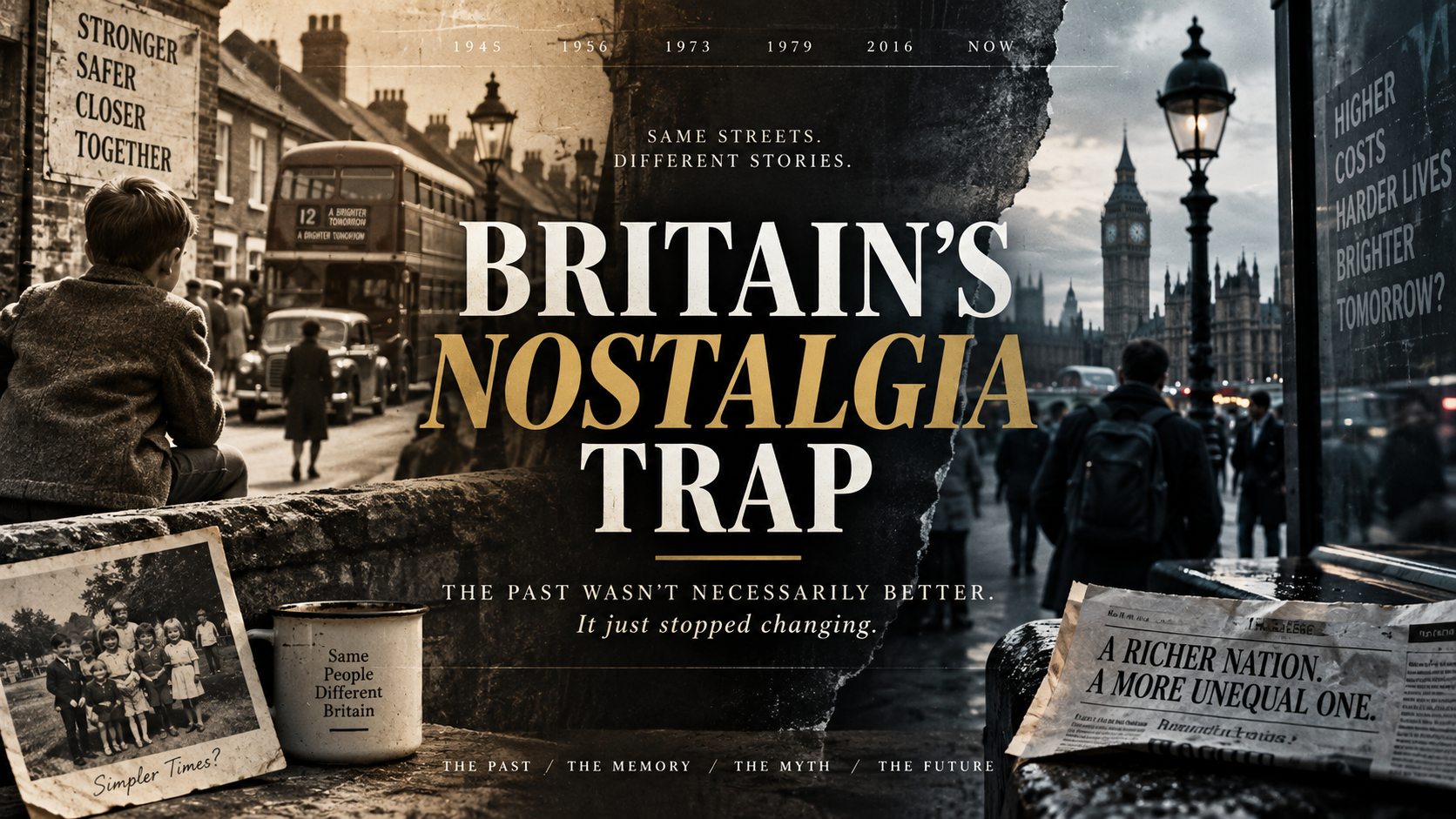
Britain’s Nostalgia Trap
🇬🇧 Britain keeps looking backwards. From post-war mythology to Brexit, housing and lost community, this 13-part series asks why the past feels better — and what that tells us about the future. 🕰️🧠
-
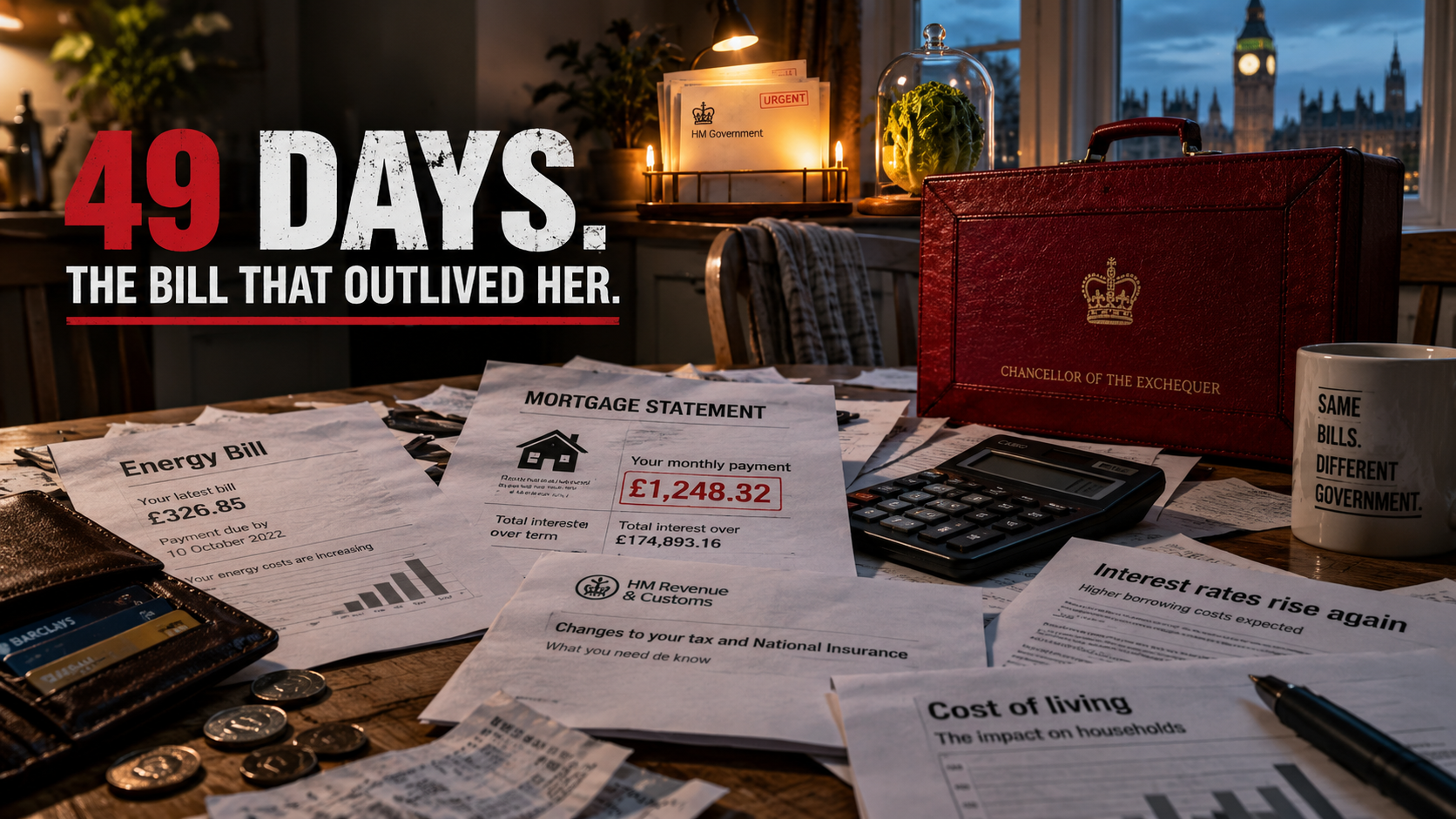
49 DAYS. THE BILL THAT OUTLIVED HER.
Liz Truss lasted 49 days. 🥬 The market shock lasted longer — through mortgages, borrowing costs and household finances. This is how the bill travelled.

SYSTEM 04 / CONNECTION
CONNECTION
Feedback loops don’t just sustain systems.
They begin to refine them.
WHAT REPEATS
CAN BE MEASURED.
WHAT CAN BE MEASURED
CAN BE OPTIMISED.
THE LOOP CREATES THE PATTERN.
THE PATTERN CREATES THE DATA.
THE DATA CREATES THE PRESSURE
TO IMPROVE.