
SYSTEM 03 — POWER
Control emerging through structure, not force.
WHO CONTROLS RESOURCES, DECISIONS AND DIRECTION.
Power is not always visible.
It emerges from structure — from who controls resources, decisions and direction.
It does not need to be enforced loudly to be effective.
Most power operates quietly, through systems that make outcomes predictable.
POWER DOESN’T NEED TO LOOK LIKE POWER.
Control becomes most effective when it is embedded inside the structure itself.
- 01
Decision-making concentrated in specific places
- 02
Influence without direct accountability
- 03
Systems that benefit the same groups repeatedly
- 04
Limited access to change or control
- 05
Outcomes that consistently favour certain positions
Power determines who benefits from a system.
It shapes outcomes long before they are questioned.
Without understanding power, it is easy to mistake outcomes for fairness.
Power rarely needs to announce itself.
It is embedded in structure, reinforced by feedback, and protected over time.
The more stable the system, the less visible power becomes.
IN PRACTICE
Examples of power in motion.
-
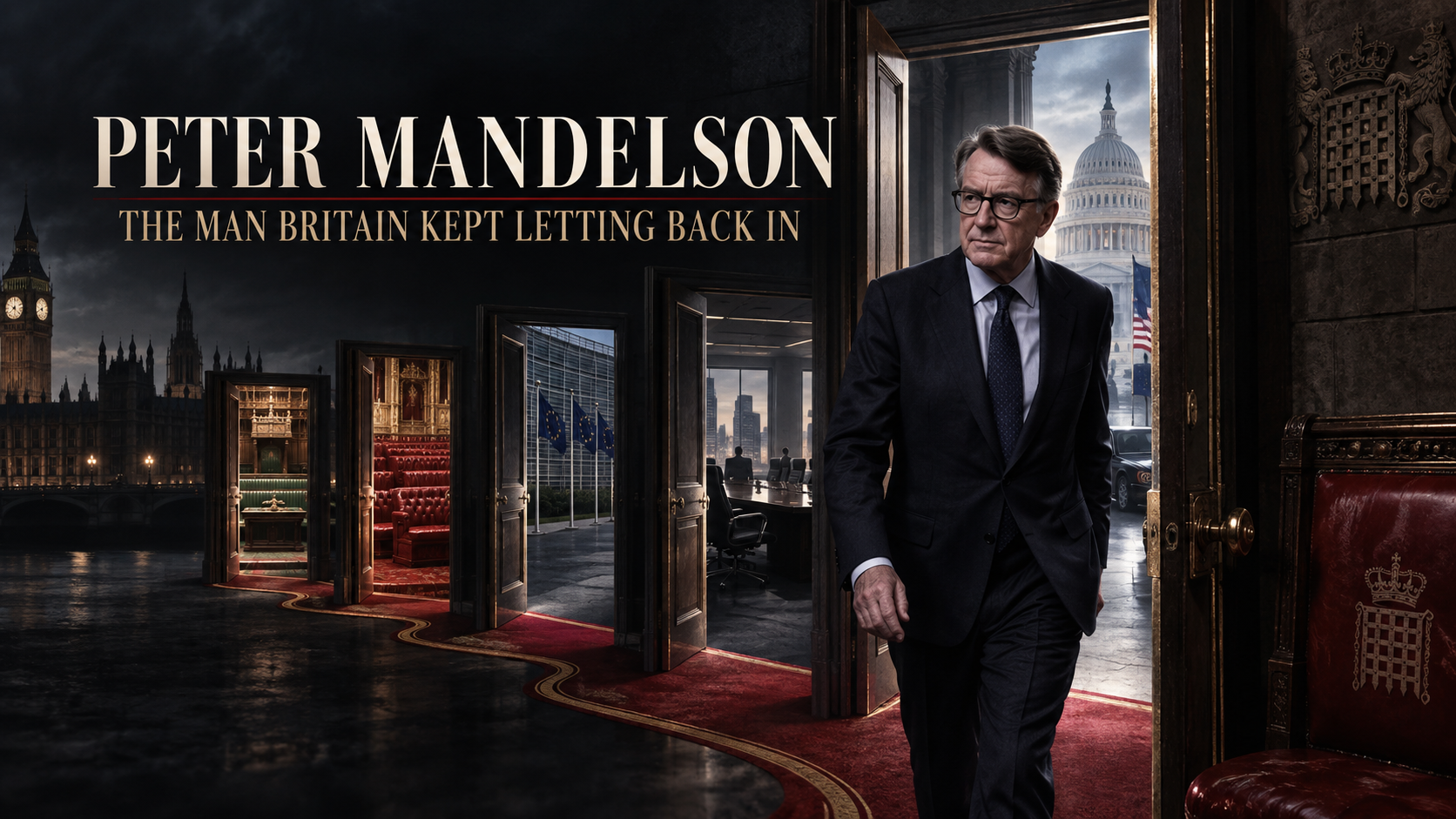
Peter Mandelson: The Man Britain Kept Letting Back In
Two resignations, repeated returns and more than forty years inside British power. Peter Mandelson’s story is also about the institutions that kept reopening the door. 🚪🏛️
-
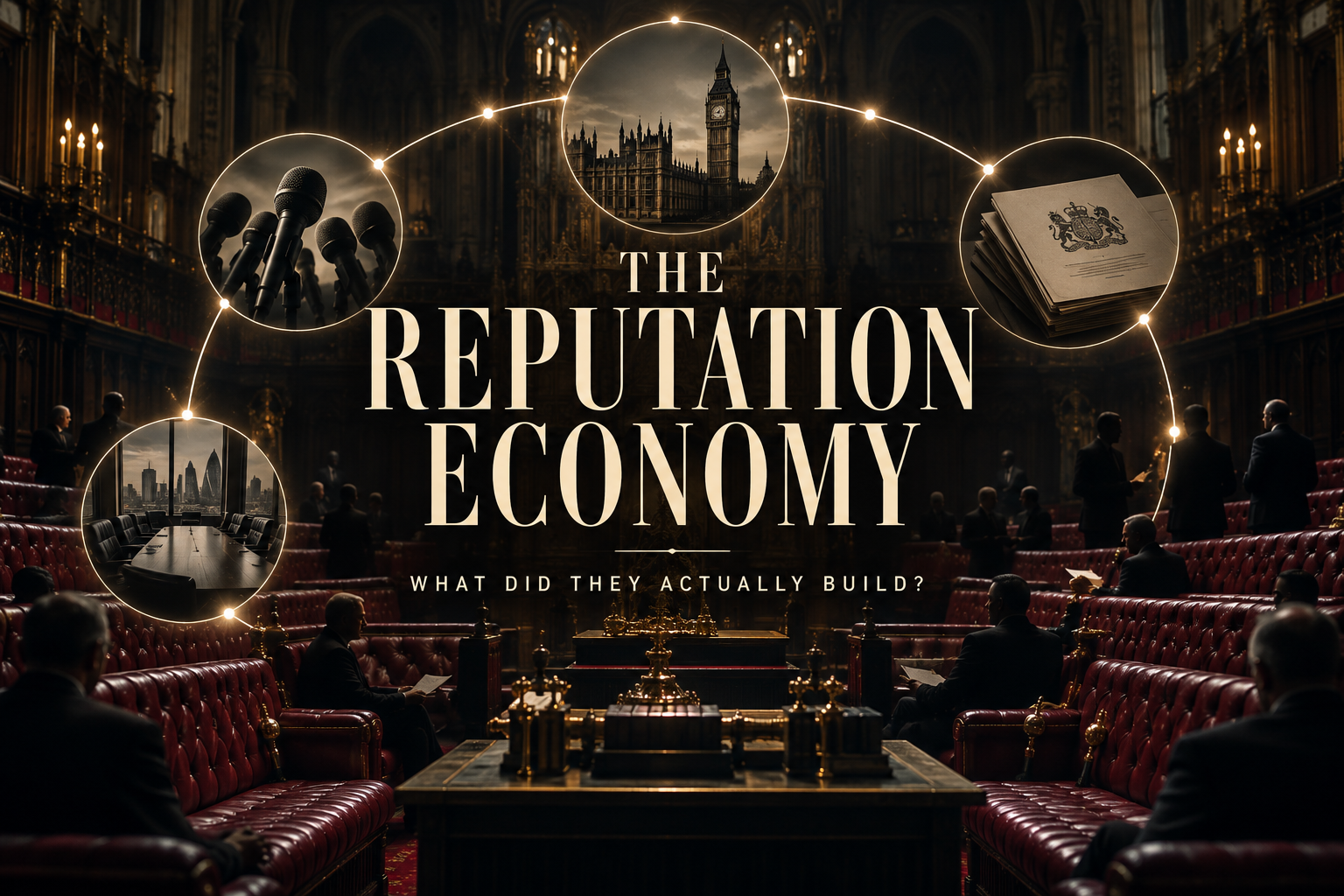
The Reputation Economy
Westminster turns titles, access and political survival into lifelong authority. But beneath the reputations, what did Britain’s great political minds actually build? 🏛️🔄
-
The Chemist That Became an Asset — Part One
💊 Boots began by making medicine affordable to working people. 🏭 It grew into a British institution built on shops, manufacturing and scientific research. 💷 Now it is a £7 billion asset being passed between international owners.
-
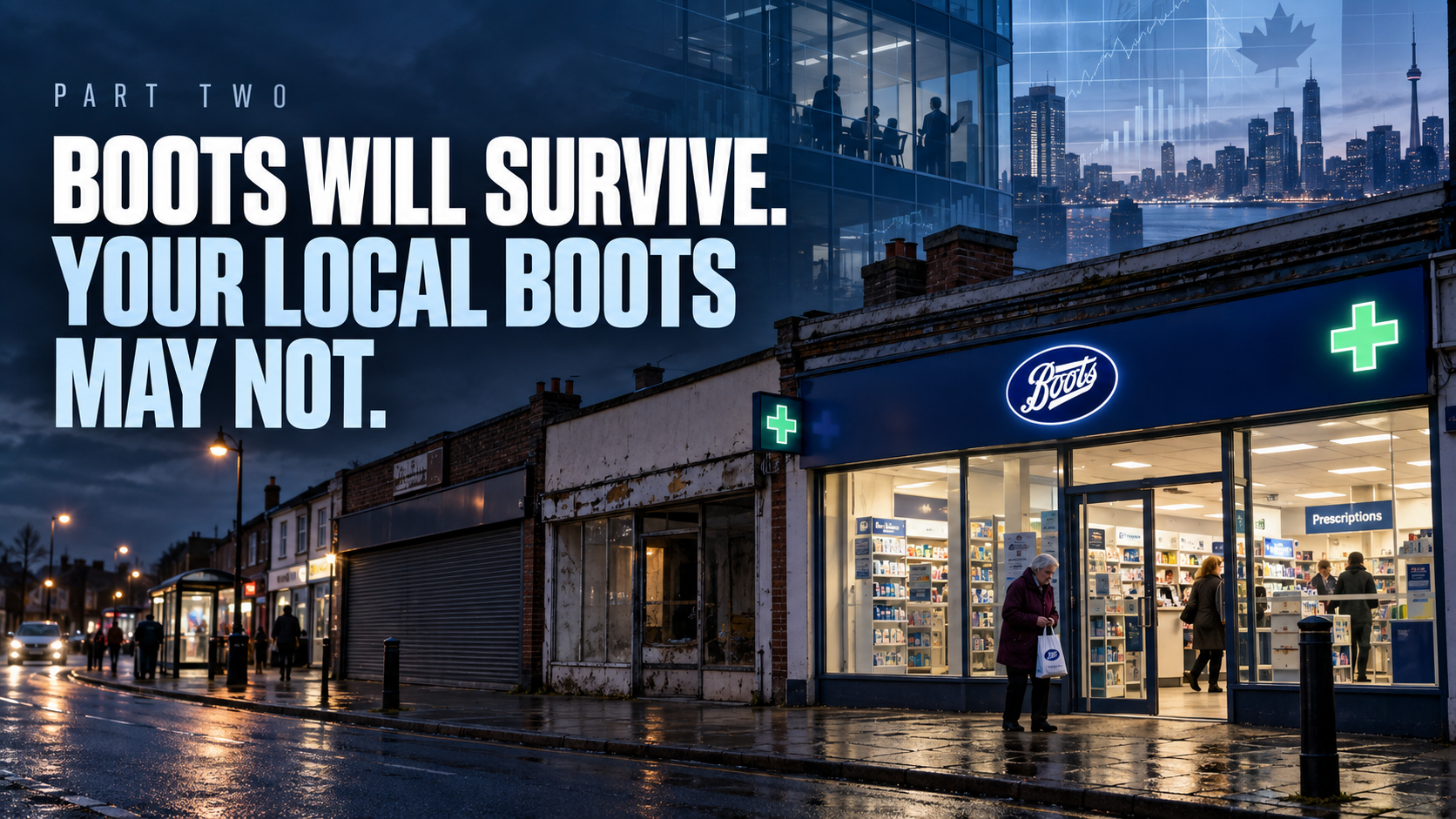
Boots Will Survive. Your Local Boots May Not — Part Two
🏪 A new owner could strengthen the Boots brand while closing branches that communities rely upon. 💊 NHS prescriptions may continue, but local access is not guaranteed. 📉 The real question is which parts of Boots will survive.
-
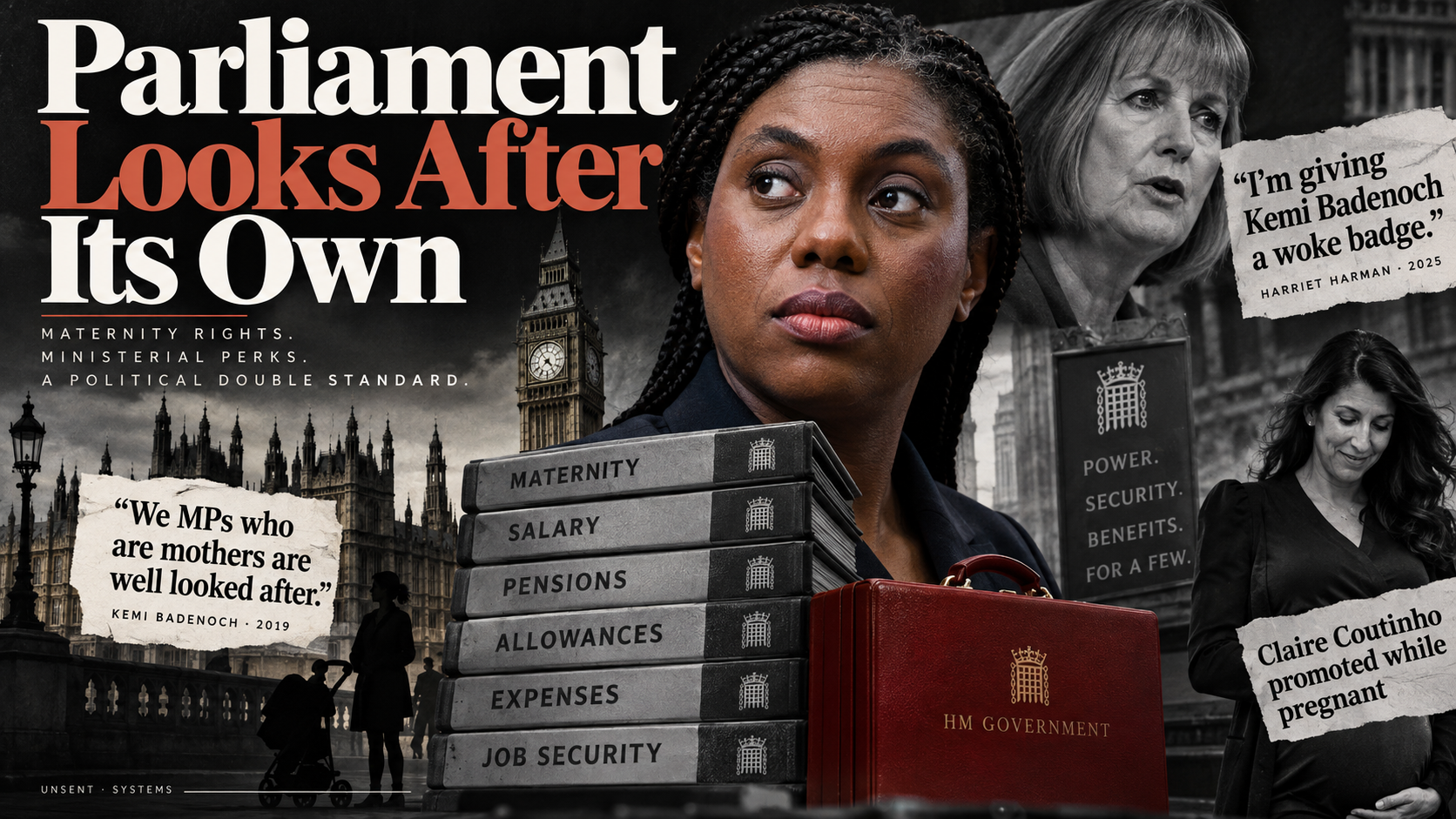
Parliament Looks After Its Own. Kemi Badenoch Knows That
🏛️ Parliament understands pay, maternity protection and employment security perfectly well. Kemi Badenoch once said MPs who are mothers are “well looked after”. So why does the language change outside Westminster?
-
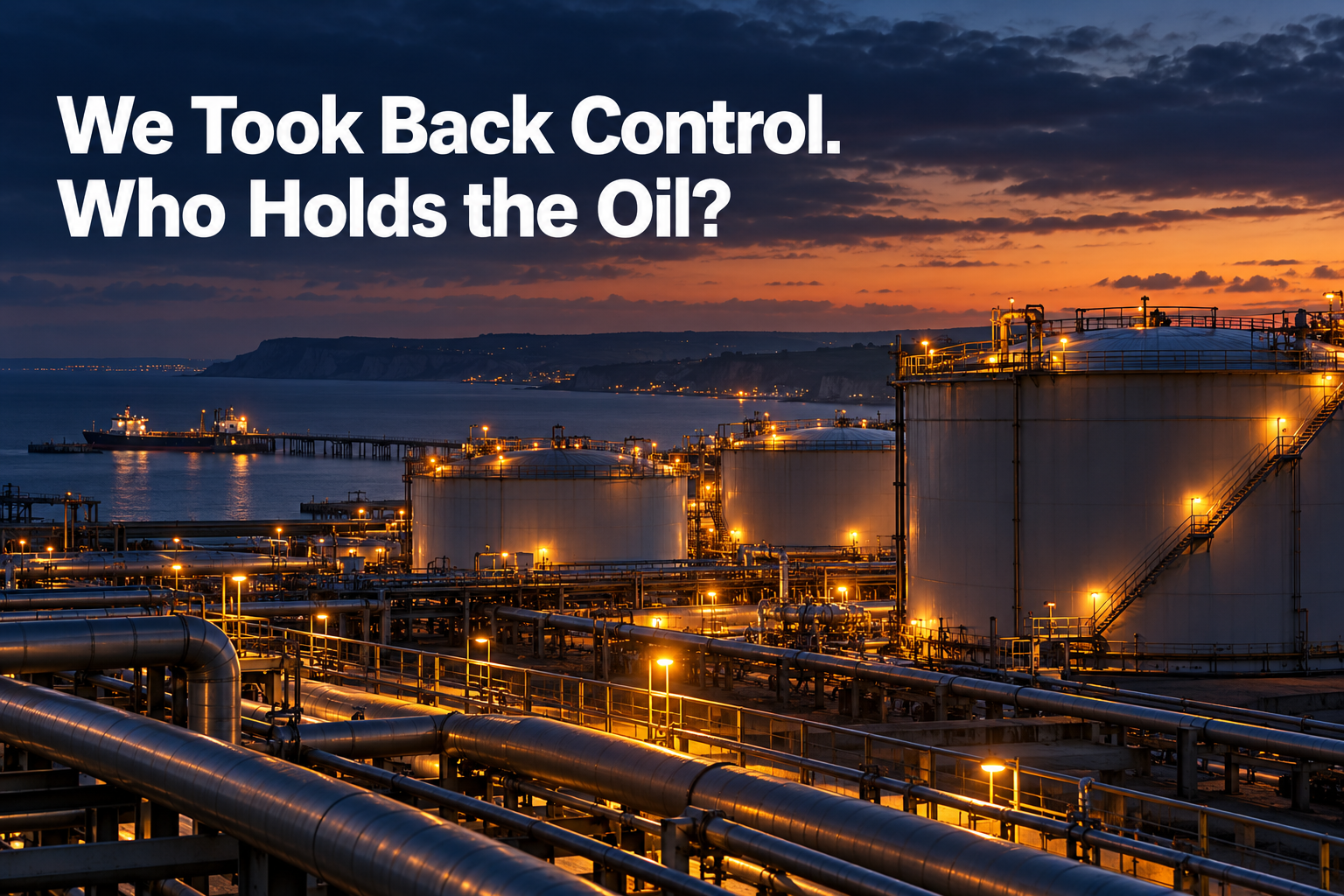
We Took Back Control. Who Holds the Oil?
🛢️🇬🇧 Britain’s oil system is split between private companies and the state. We trace what was sold, what remains under public control, and who holds the stocks when supplies are disrupted.
-
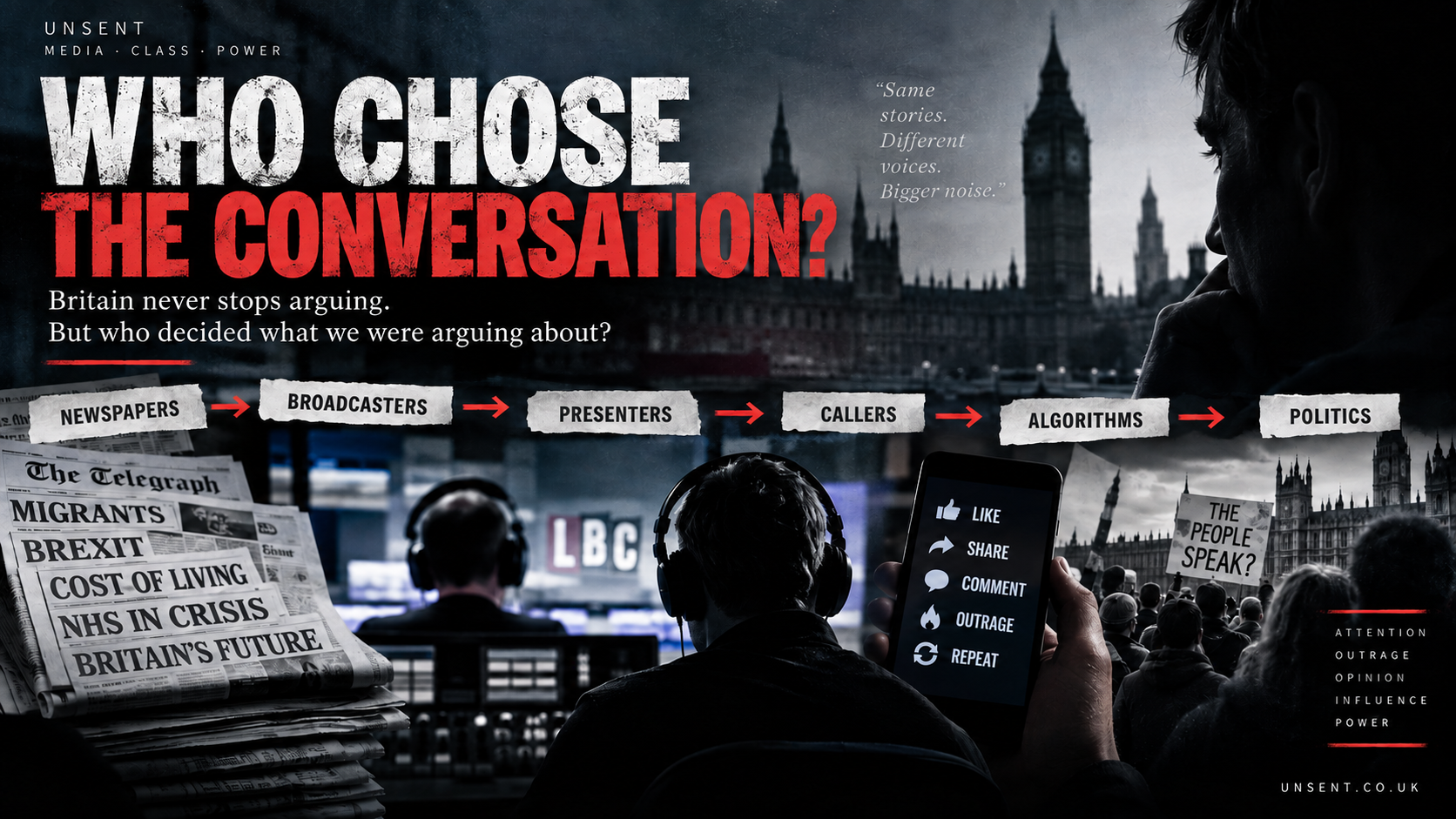
Who Chose the Conversation
🎙️ Britain never stops arguing, but who chose the presenters, framed the questions and screened the public before the conversation even began?
-
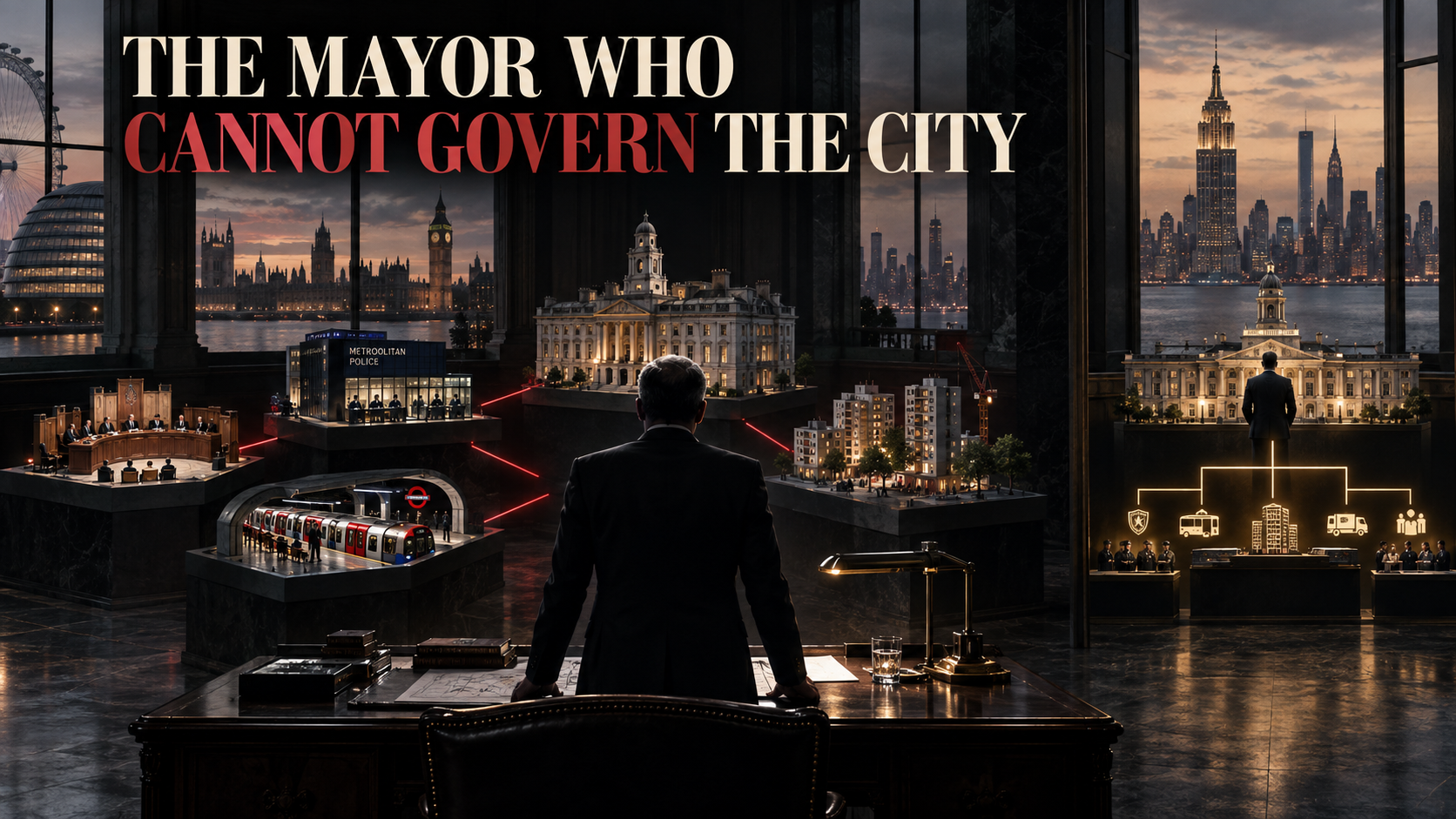
The Mayor Who Cannot Govern the City
🏛️ London elects one highly visible mayor, but policing, housing, taxation and local services remain divided. How much power does the Mayor actually possess? 💷
-
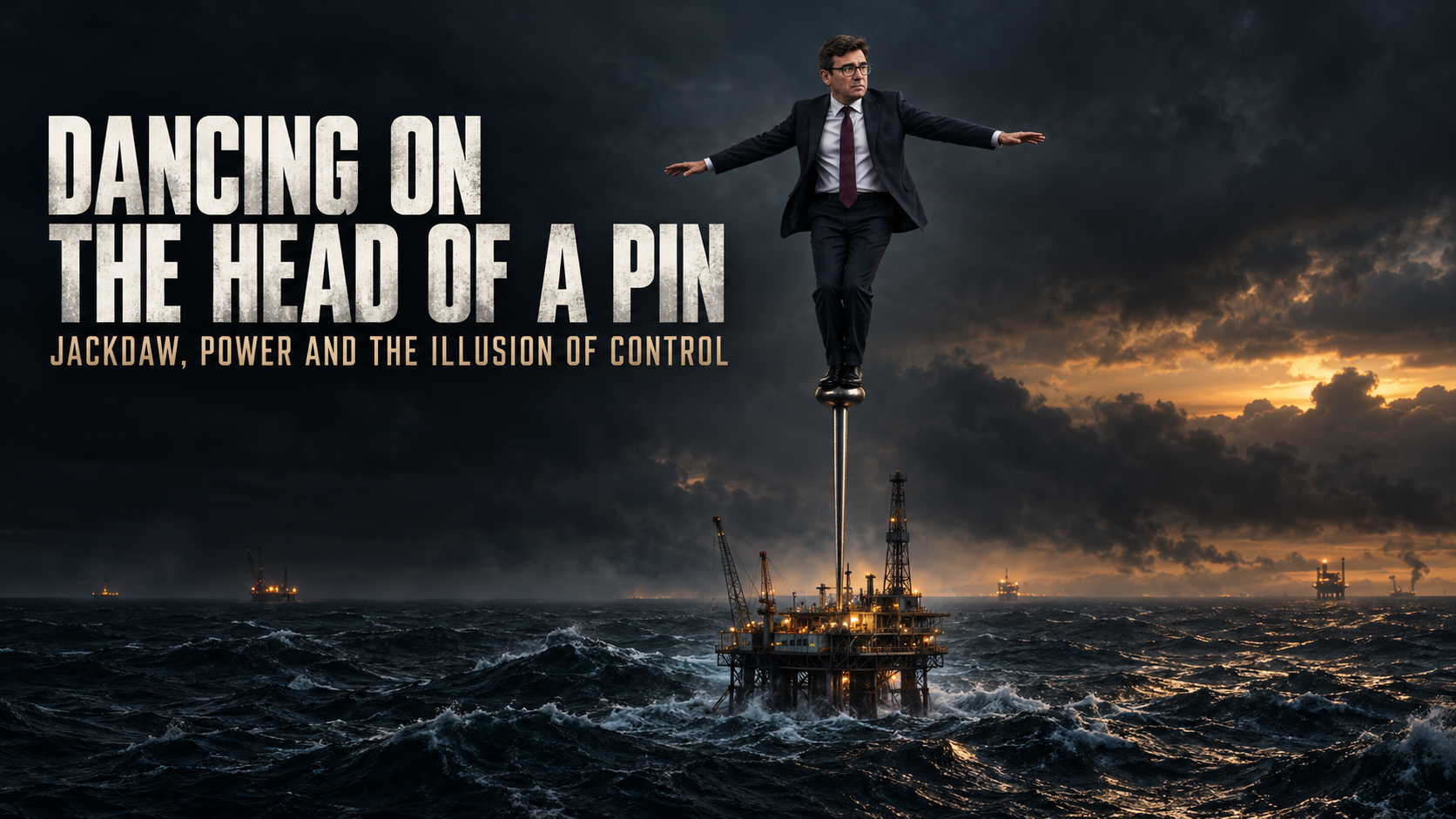
Dancing on the Head of a Pin
⚡ Jackdaw may produce useful gas, but it cannot control international prices, transform employment or become an economic strategy simply because politicians call it a jackpot.

Control becomes self-reinforcing.
Power does not act alone.
It is sustained through repetition and reinforcement.
Control becomes durable when behaviour begins to regulate itself.
What appears stable is often
maintained through invisible feedback.
FEEDBACK LOOPS
What power repeats,
feedback sustains.
TO CONTINUE.