Britain’s Railways: Connected. Cut. Rebuilt.
🚆 Britain built an extraordinary railway network — then dismantled much of it. From Beeching and lost lines to HS2, reopenings and the railway being rebuilt
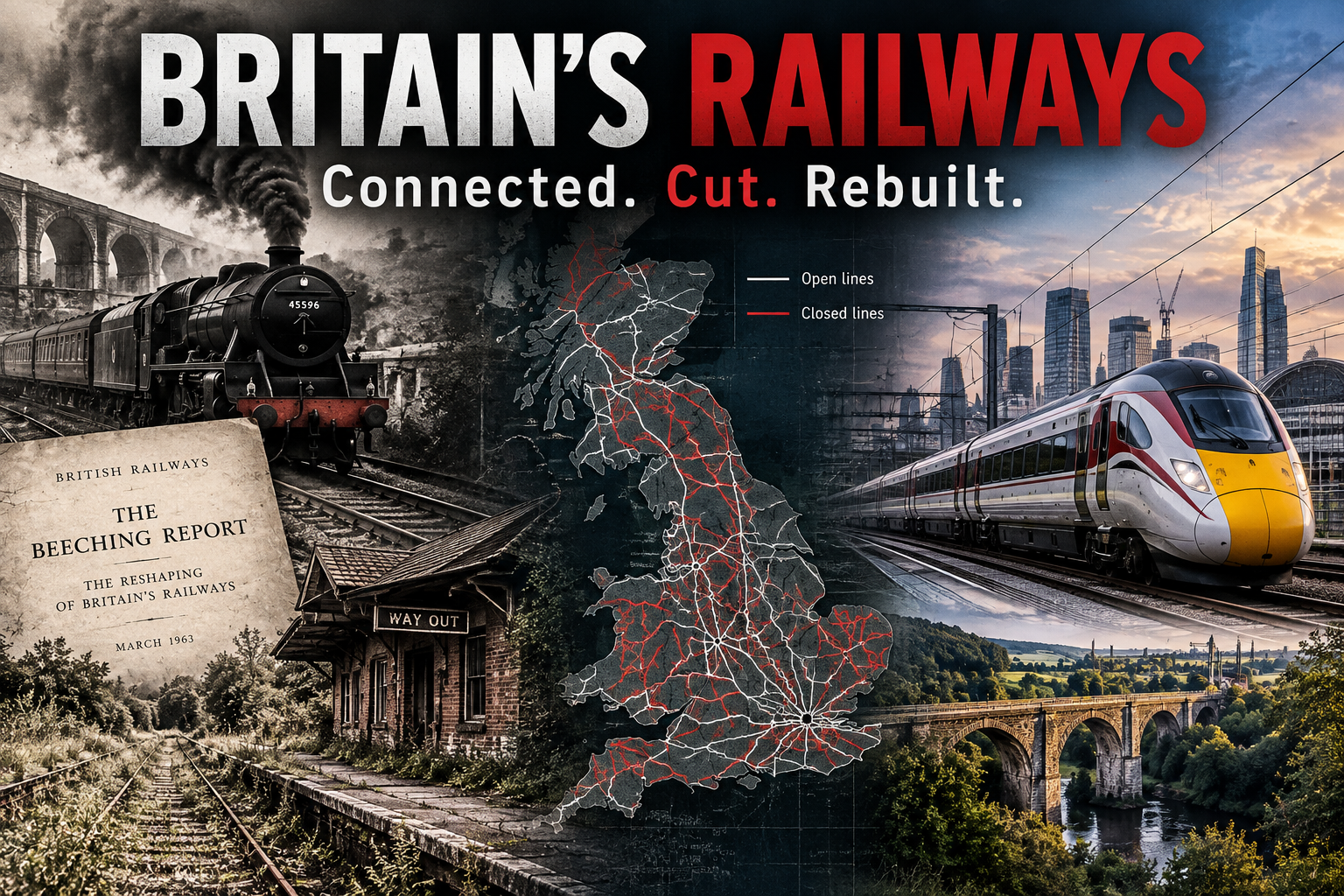
🚆 Britain built an extraordinary railway network — then dismantled much of it. From Beeching and lost lines to HS2, reopenings and the railway being rebuilt
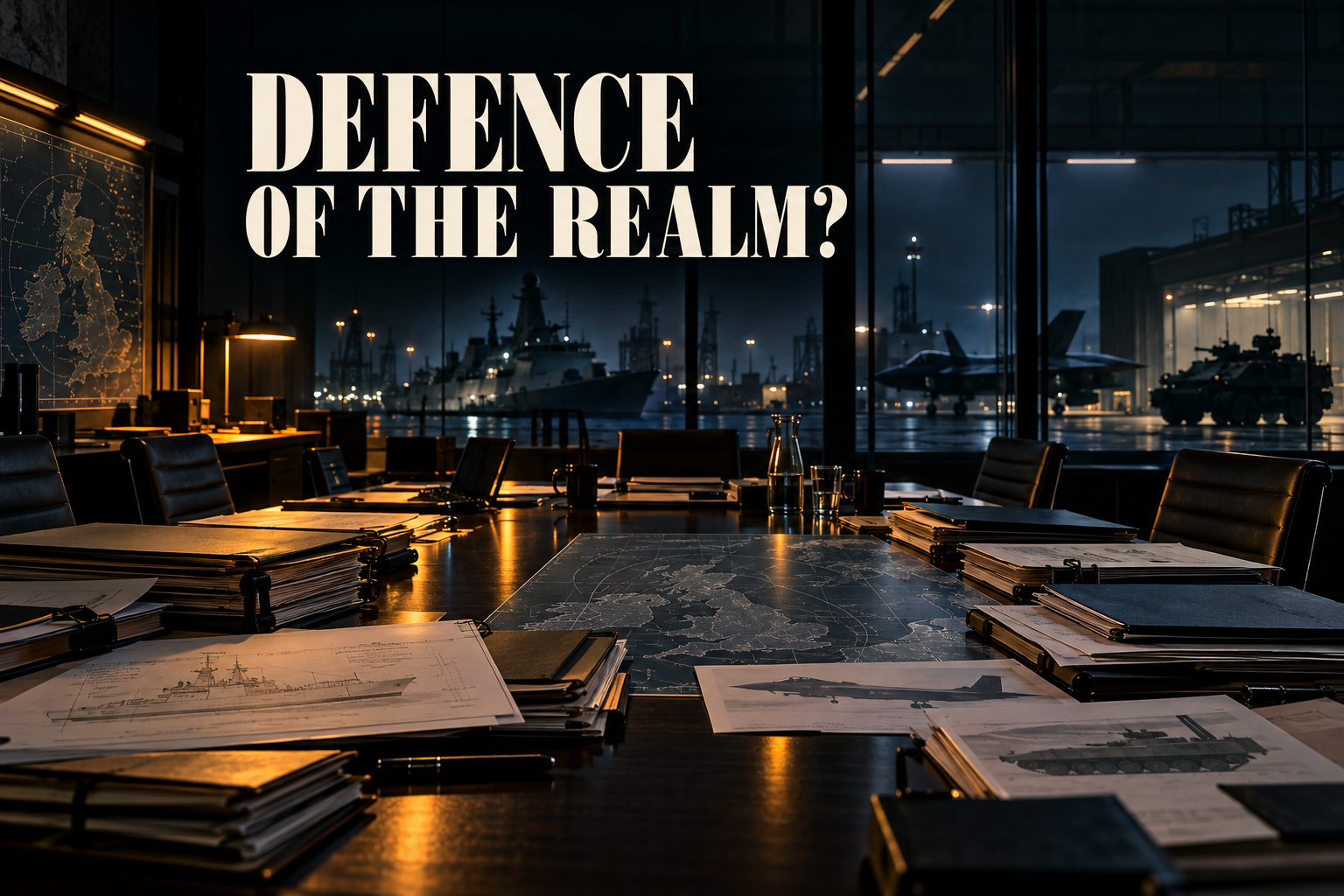
🛡️ Britain announces billions for defence—but where does the money go, who profits, and what capability is actually delivered? Follow the contracts beyond the headlines.

🥊 Boxing once created fame. Now fame can create boxing. From Tyson and Britain’s Four Kings to paywalls, missing superfights and influencer events, this series follows the sport’s transformation from champion to content.
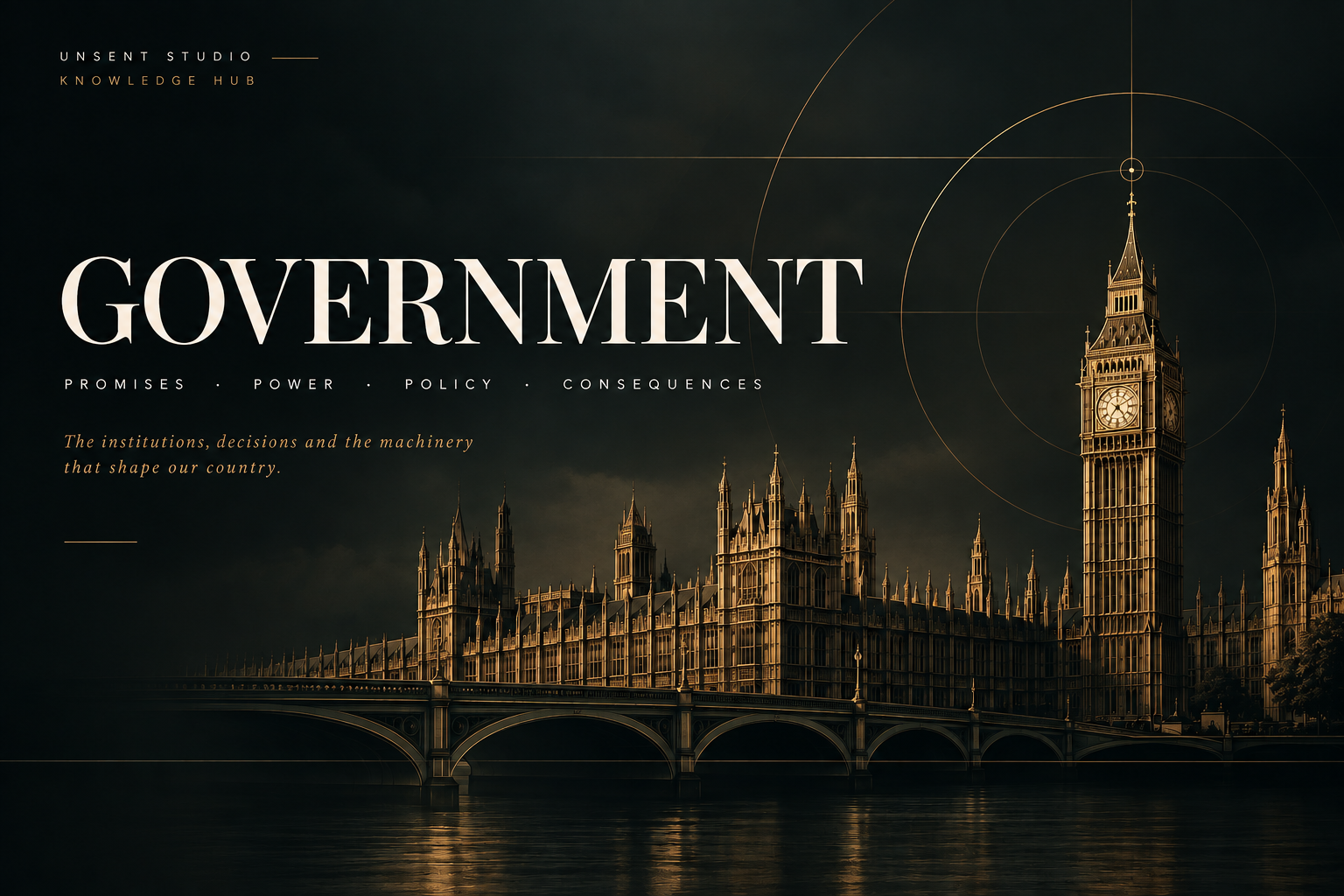
🏛️ Promises are politics. Government is what happens afterwards. Explore power, policy, delivery, continuity and consequence — and what really happens when political promises meet the machinery of the state.
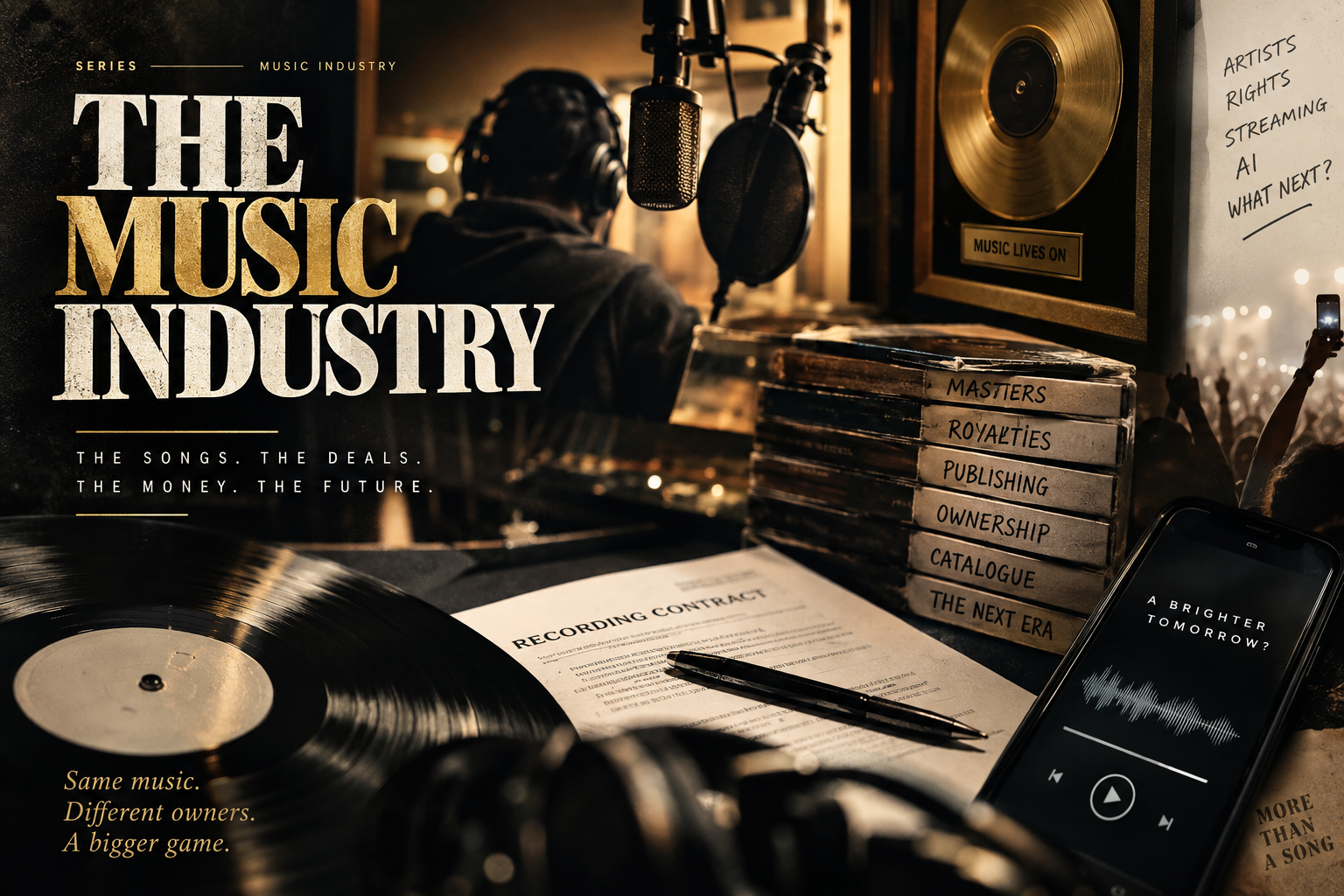
🎵 Artists make the songs. But who owns the masters, publishing and money? A series about contracts, catalogues, streaming, power — and what AI changes next.
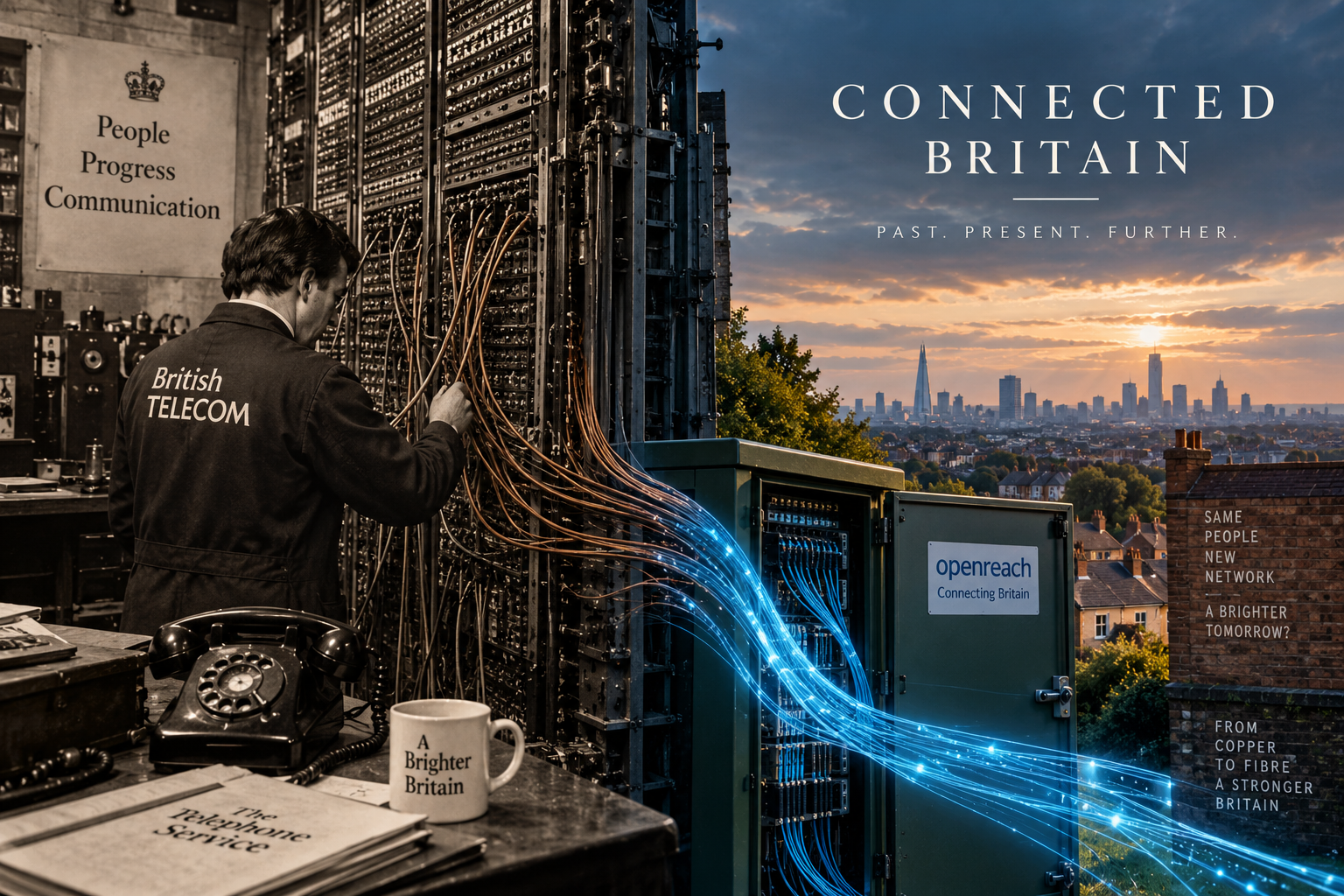
📡 Britain built the telephone network, sold BT and began replacing copper with fibre. Connected Britain follows the infrastructure, ownership, workers and costs behind the network we now depend on.
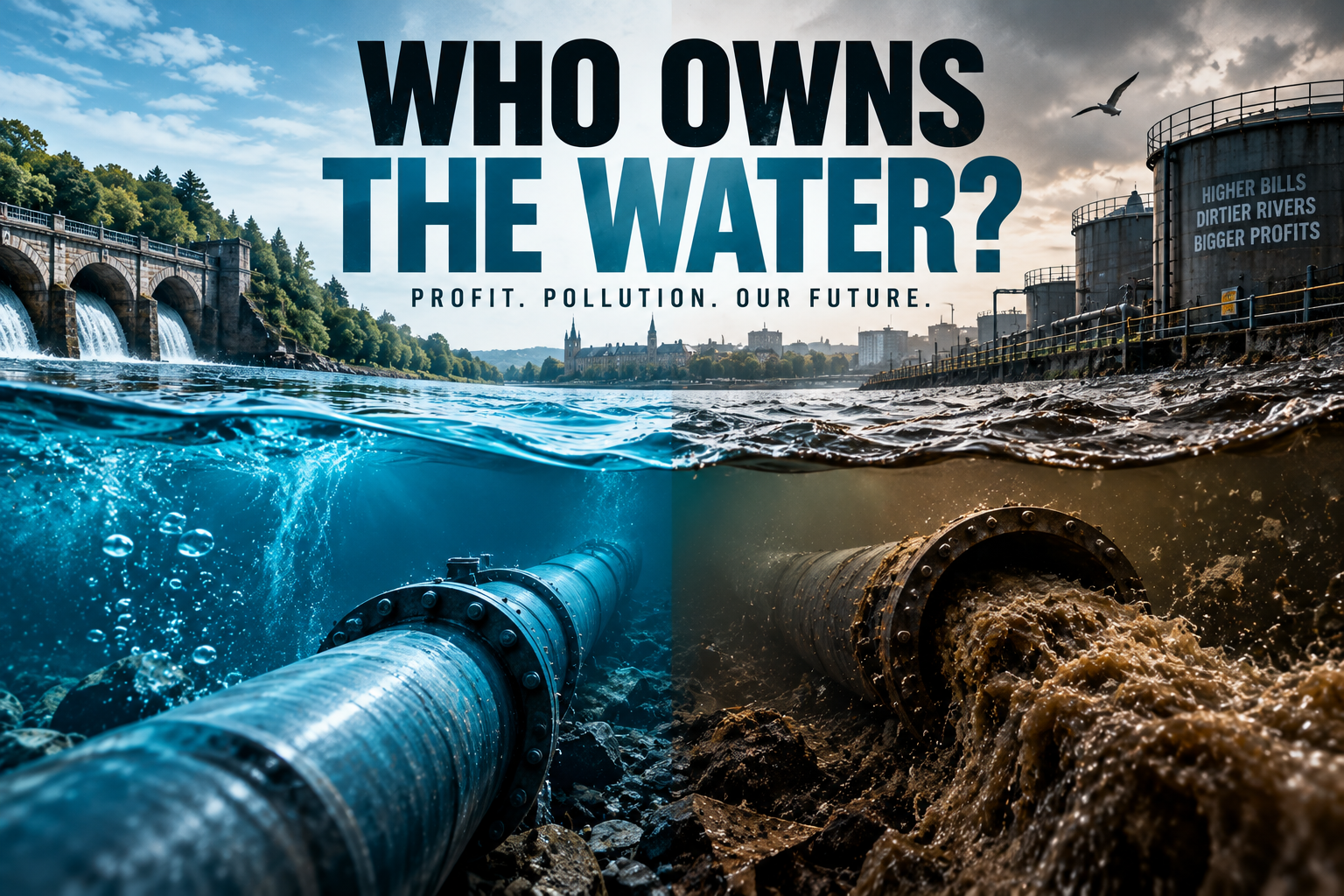
💧 Who owns Britain’s water — and does ownership actually explain the crisis? From 1989 privatisation to debt, dividends, sewage, ageing pipes and Scotland’s public model, we follow the system beneath Britain.
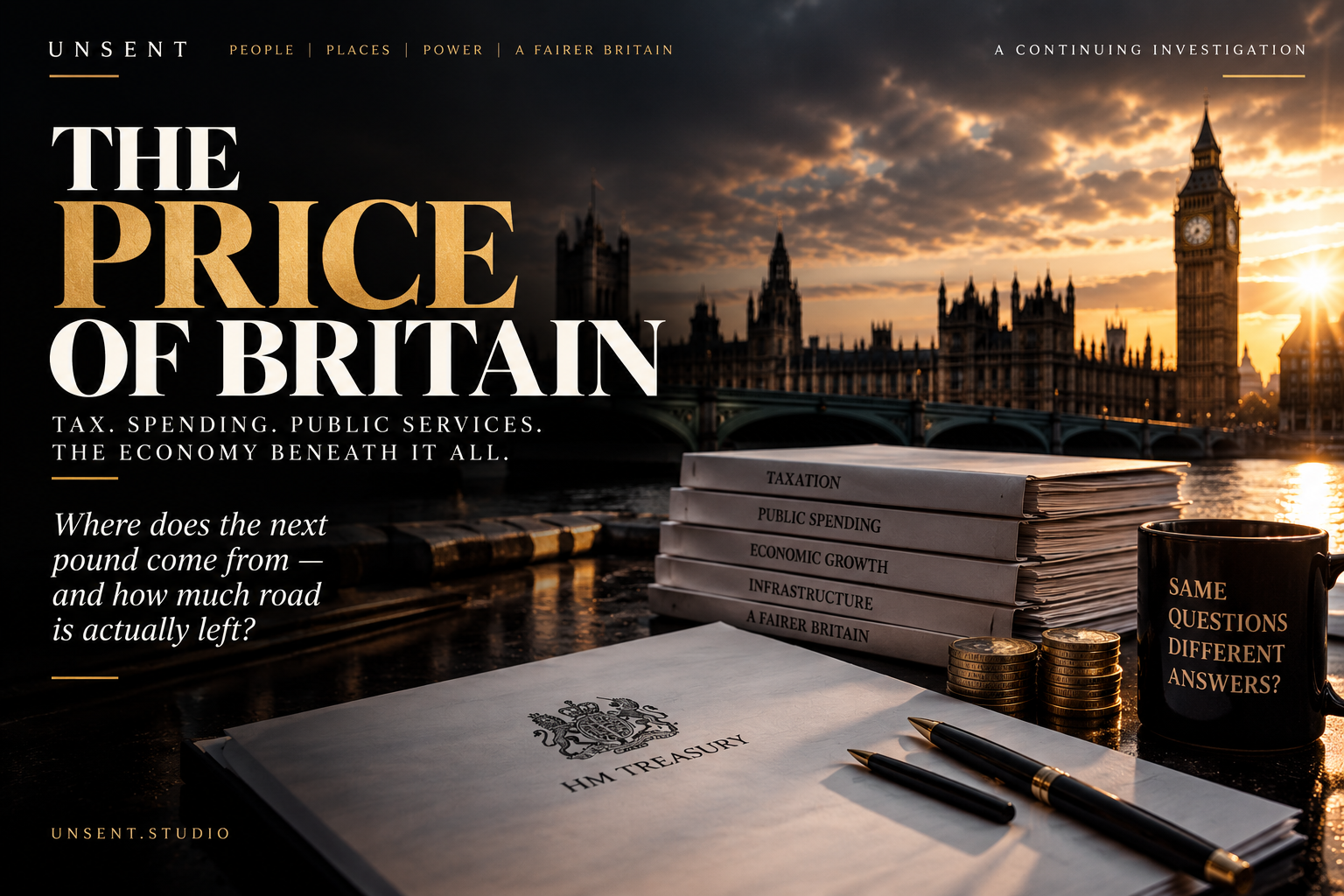
💷 Britain needs more revenue. Workers feel squeezed, businesses face rising costs and public services need money. The Price of Britain follows the entire system — from tax and spending to productivity, education and the economy beneath it.
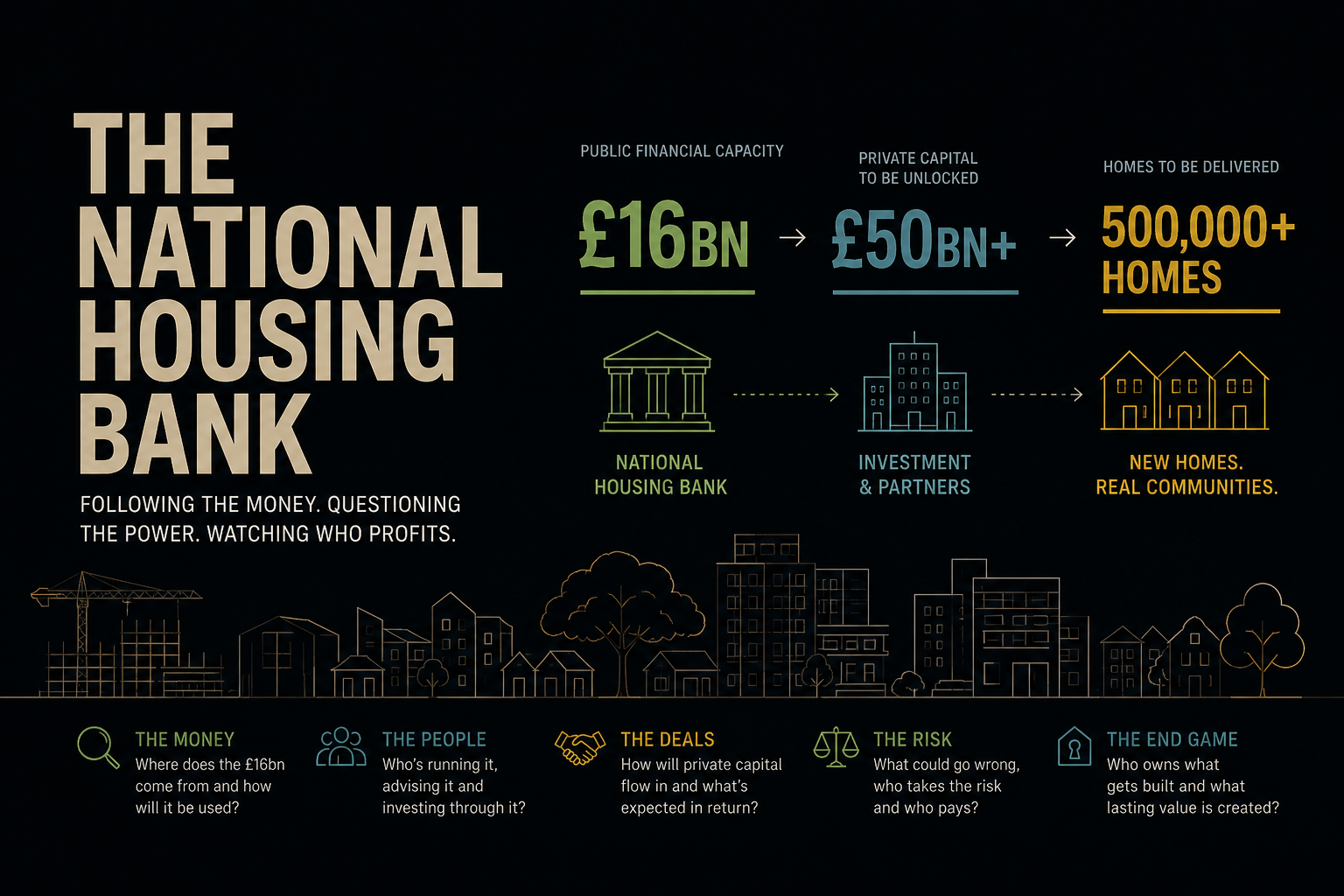
🏠 £16 billion of public financial capacity. More than £50 billion of private capital. Over 500,000 homes. This series follows Britain’s National Housing Bank — the money, the people, the deals, the risk and who ultimately owns what gets built.
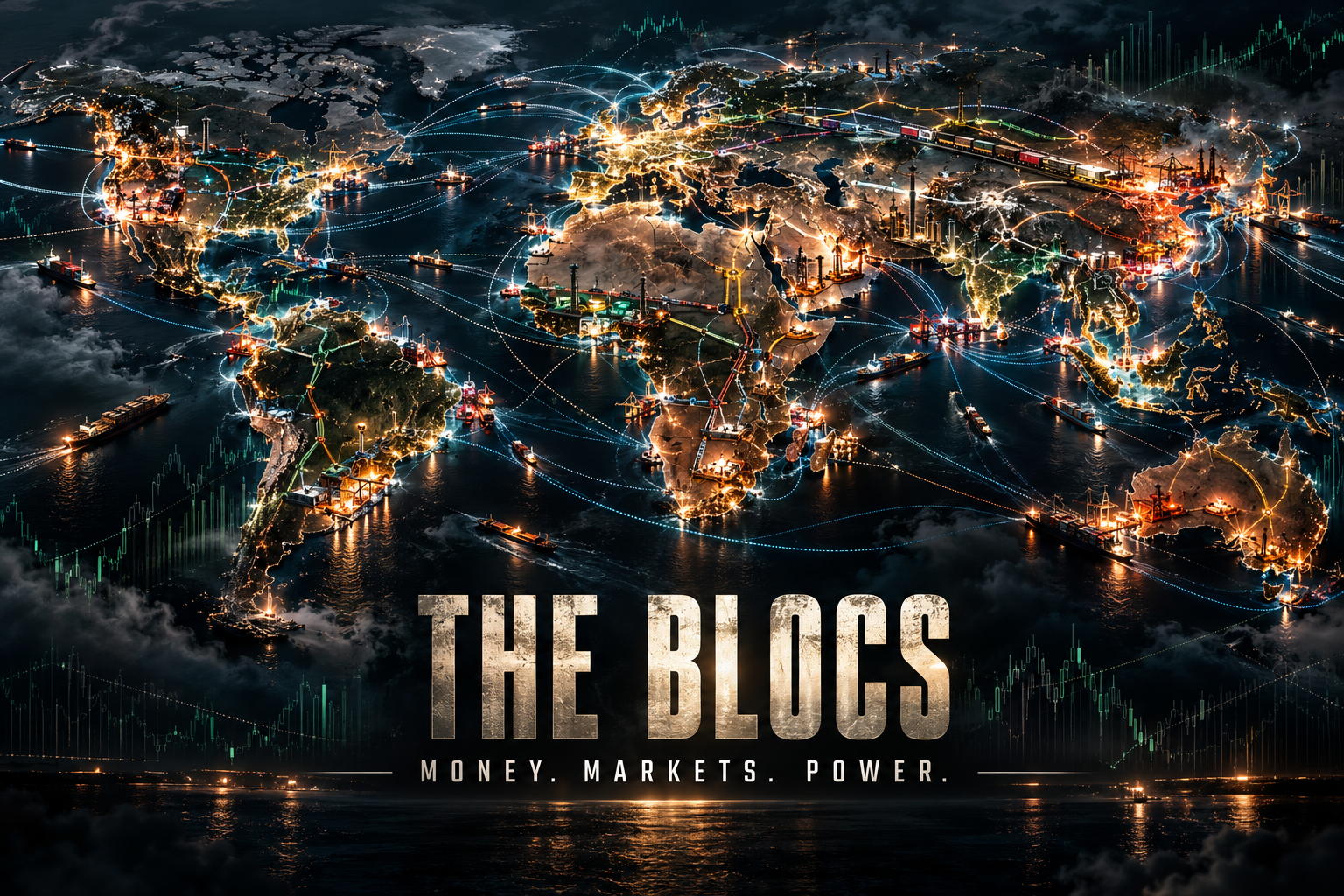
🌍 Nations may keep their flags, but money, markets, resources and rules increasingly move through blocs. From the EU and BRICS to RCEP and AfCFTA, this is the real architecture of global power.
We use cookies to ensure the website functions properly and to analyse performance. You can accept all cookies, reject non-essential cookies, or manage your preferences.