
The frameworks beneath behaviour.
Structures are what patterns become when they stabilise.
Structures are recurring frameworks that organise behaviour.
They create expectations, define limits and shape outcomes.
Most systems are experienced through structure long before they are understood.
THE FRAME SHAPES THE MOVE.
Behaviour appears individual. But the available paths are often defined before the individual enters the system.
Institutions creating consistency
Rules shaping incentives
Economic systems directing opportunity
Invisible boundaries guiding behaviour
Frameworks surviving individual actors
Structures determine what becomes normal.
They reward some behaviours and discourage others.
Change the structure and outcomes often change with it.
Structures reinforce themselves through repetition.
The longer they exist, the harder they become to notice.
Stability often disguises influence.
IN PRACTICE
Examples of structures in motion.
-
The Energy Bill You Never See
⚡ You pay the energy bill once. Then you pay it again through food, transport, rent and almost everything businesses sell. So who actually absorbs the shock?
-
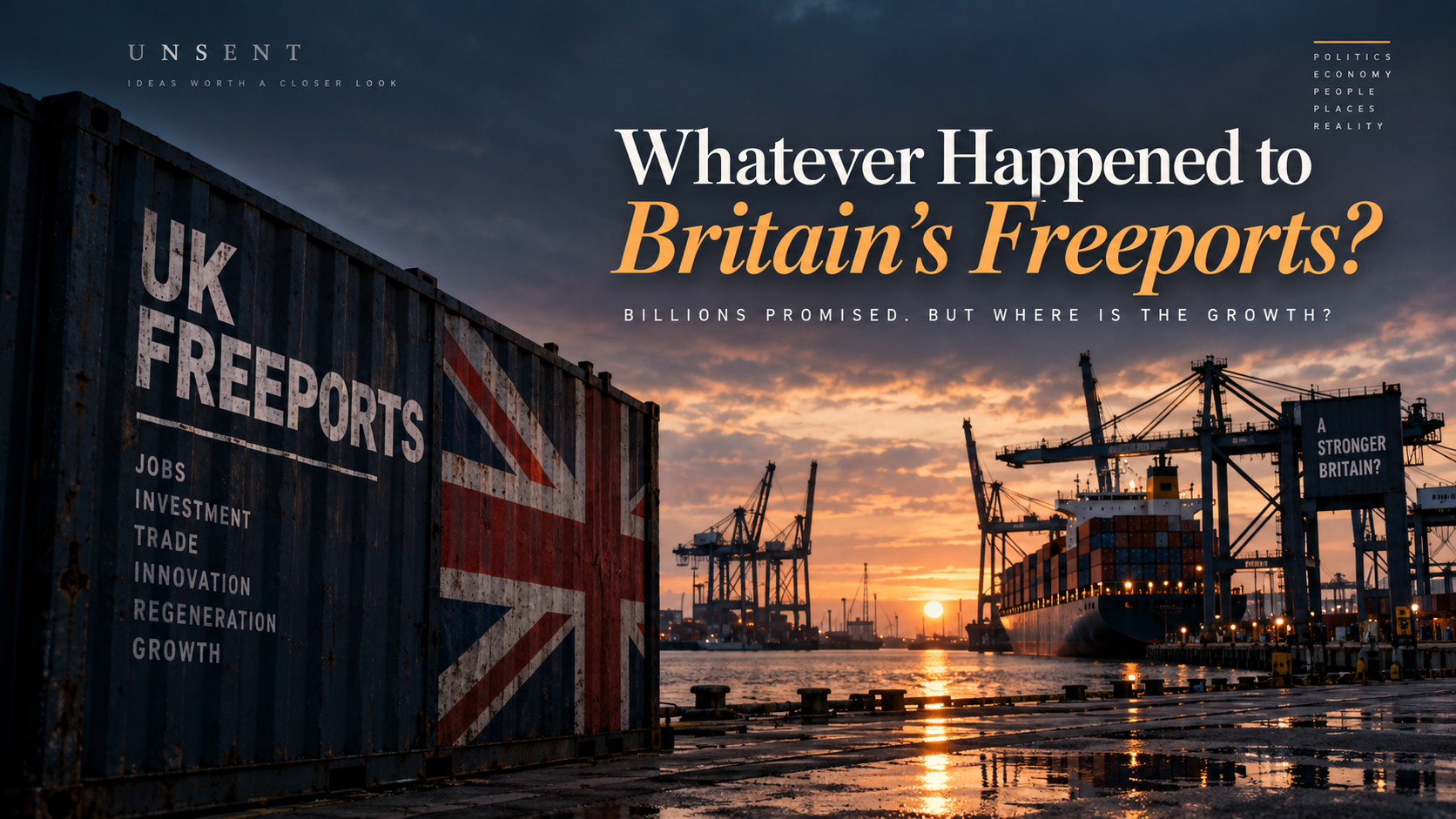
Whatever Happened to Britain’s Freeports?
⚓ Britain was promised jobs, investment, trade and regeneration through Freeports. Billions later, the real question remains: where is the growth? 📊
-
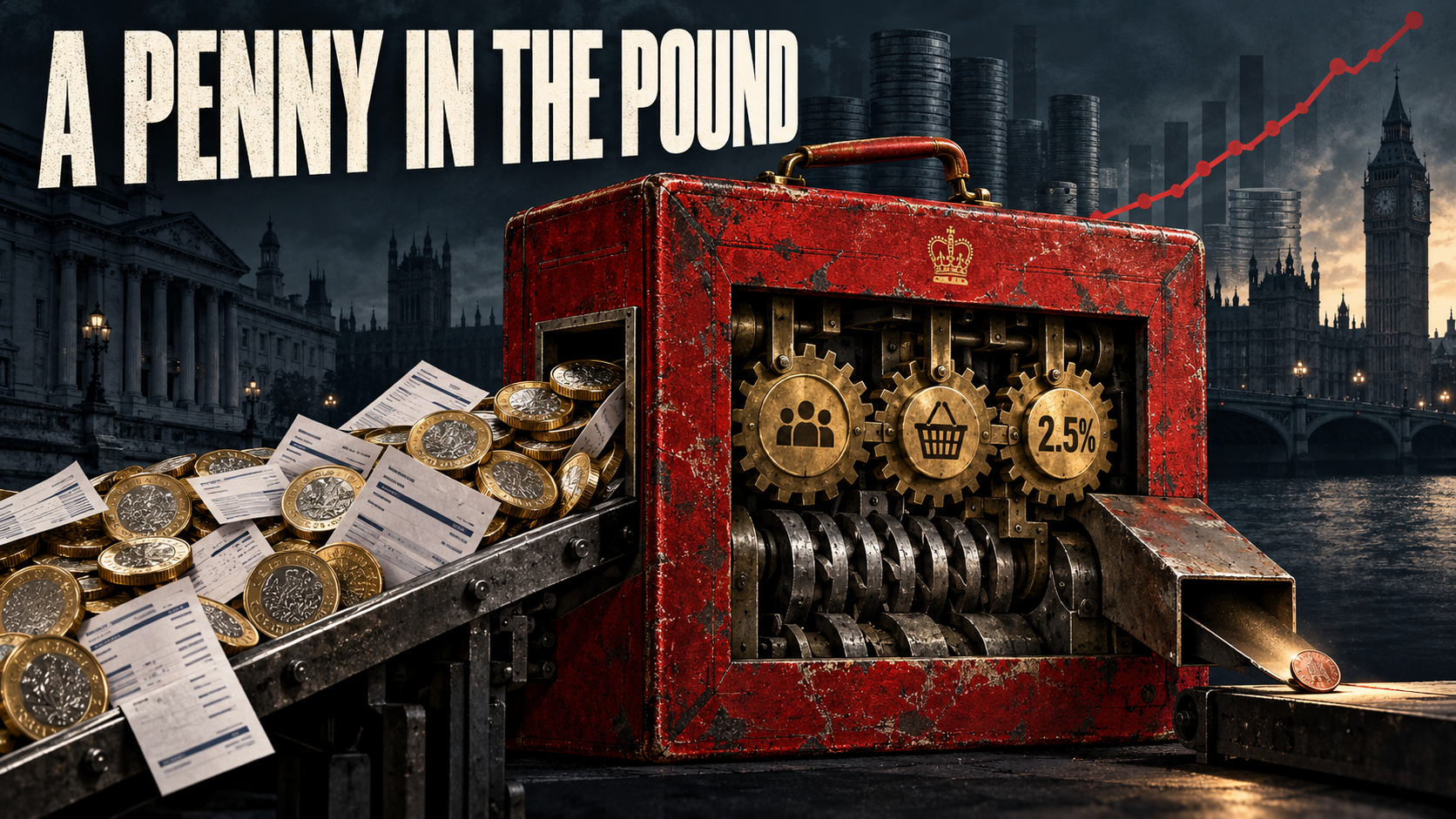
A Penny in the Pound
🪙 Britain spent years offering visible tax cuts while fiscal drag, weak wages, debt and unstable work swallowed the gain. From the crash to the triple lock, the penny-in-the-pound era has run out.
-
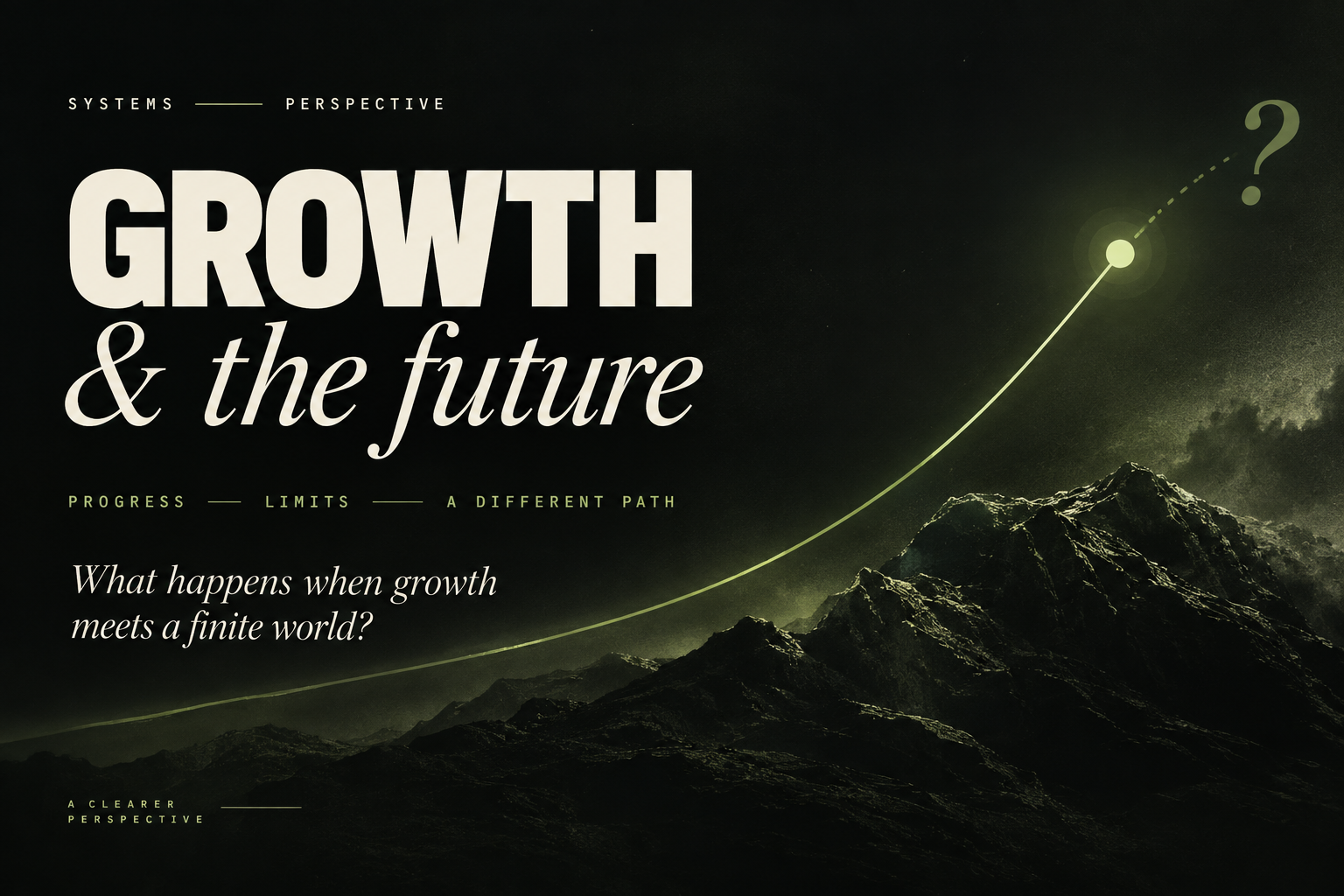
Growth Forever?
📈 Who decided next year must always be bigger? From a KFC forecast to the global economy, an examination of growth, compounding and the assumption that the number must always rise. 🌍
-
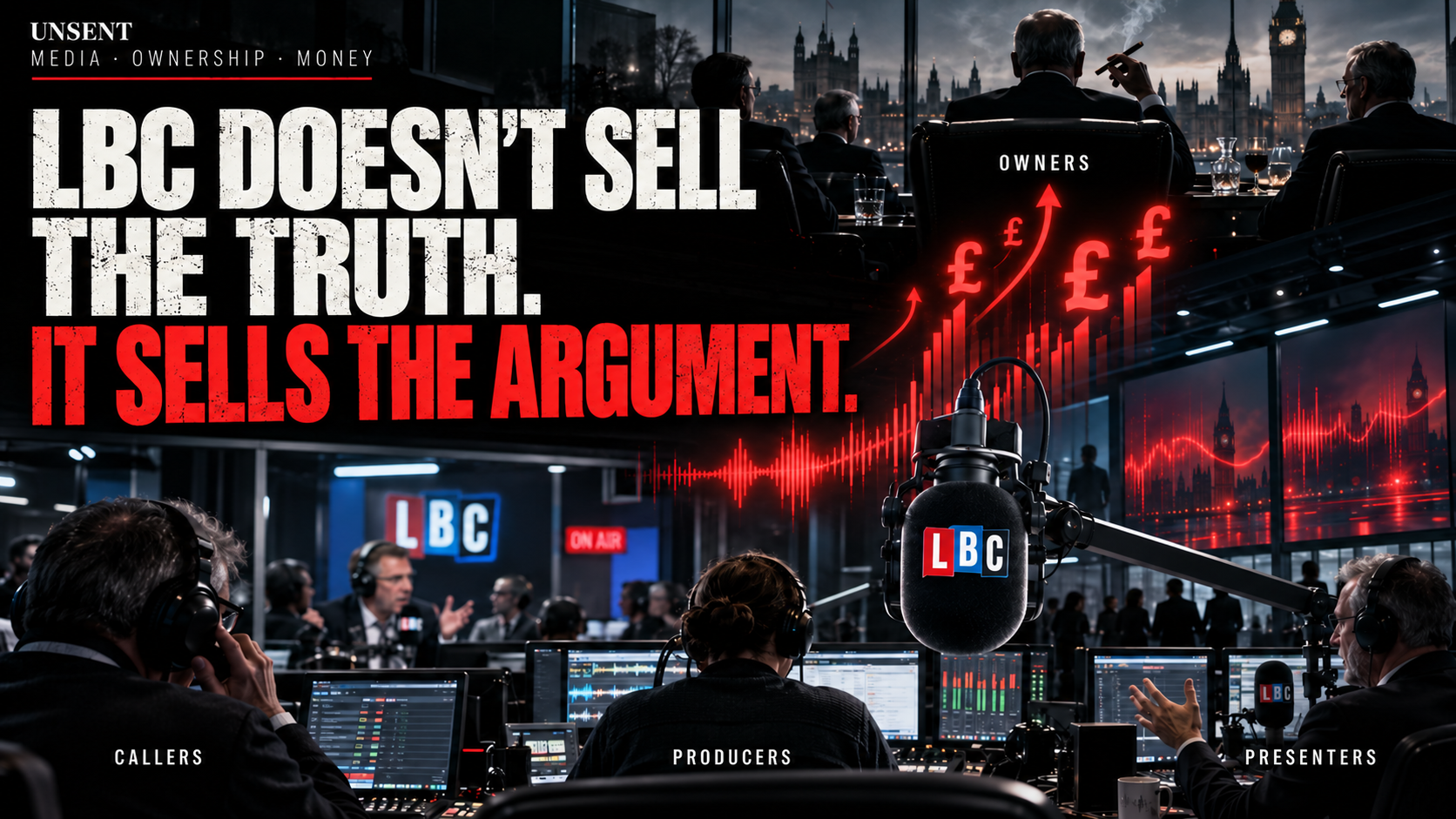
LBC Sells the Argument, Not the Truth
🎙️ Callers provide the conflict. Producers construct the programme. Presenters become the product. LBC’s commercial value travels upwards.
-
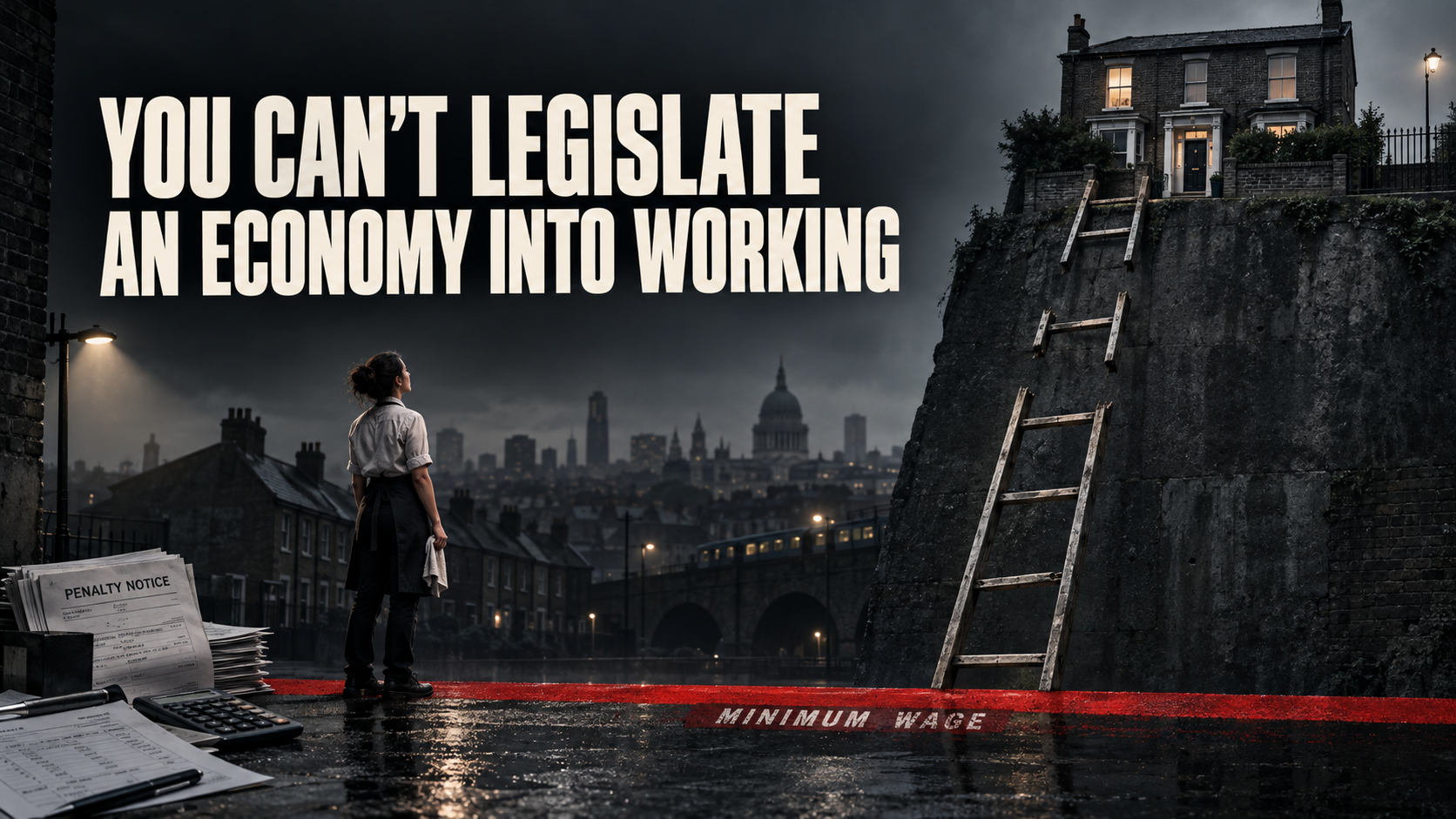
You Can’t Legislate an Economy Into Working
⚖️ Britain can enforce the wage floor, but it cannot legislate economic security into existence. If work no longer builds a future, where is the ladder? 🪜
-
-
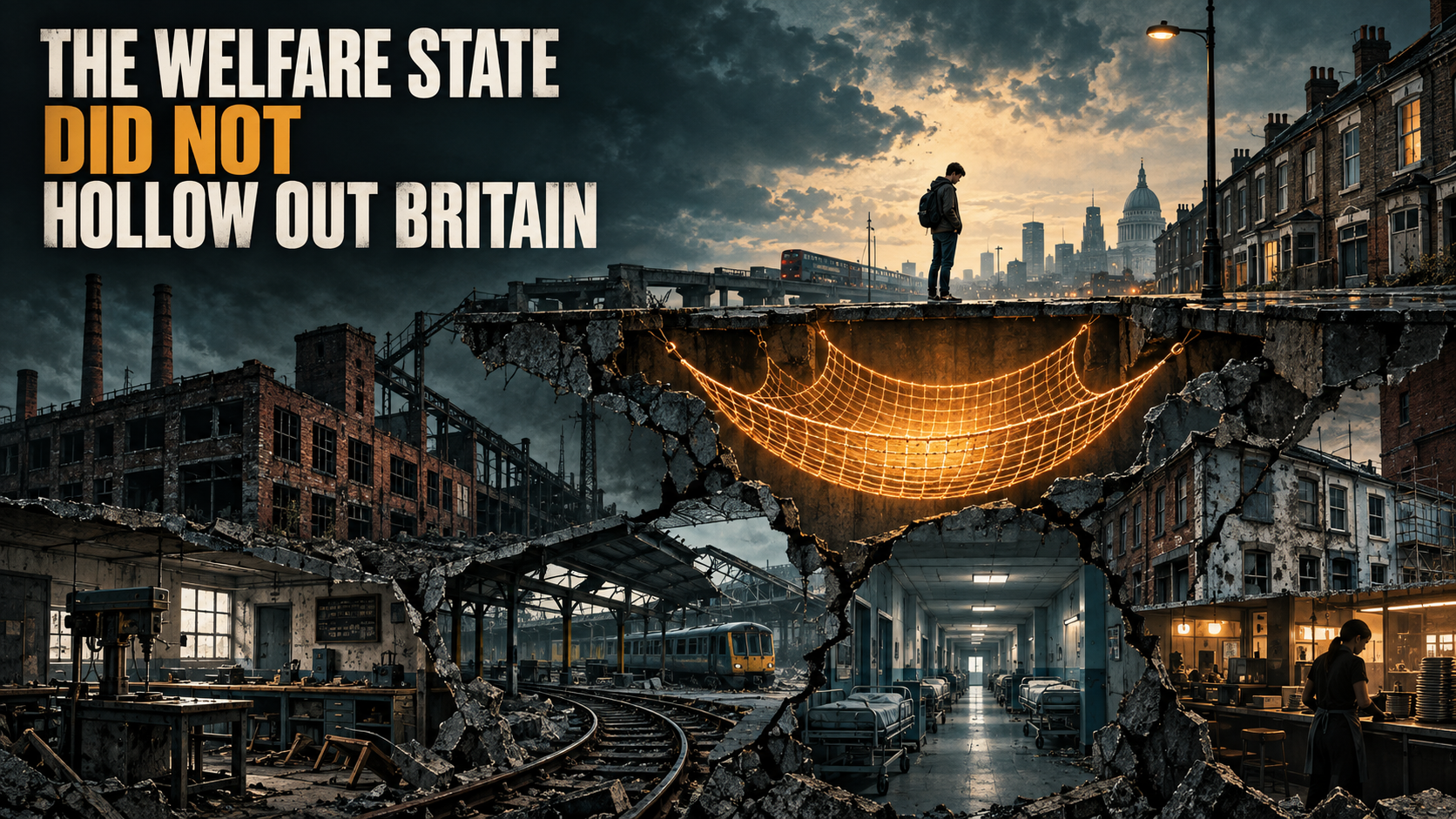
The Welfare State Did Not Hollow Out Britain
🕸️ Britain’s welfare system is catching the consequences of low pay, poor health, weak training, expensive housing and industrial decline, not creating them. 🇬🇧
-
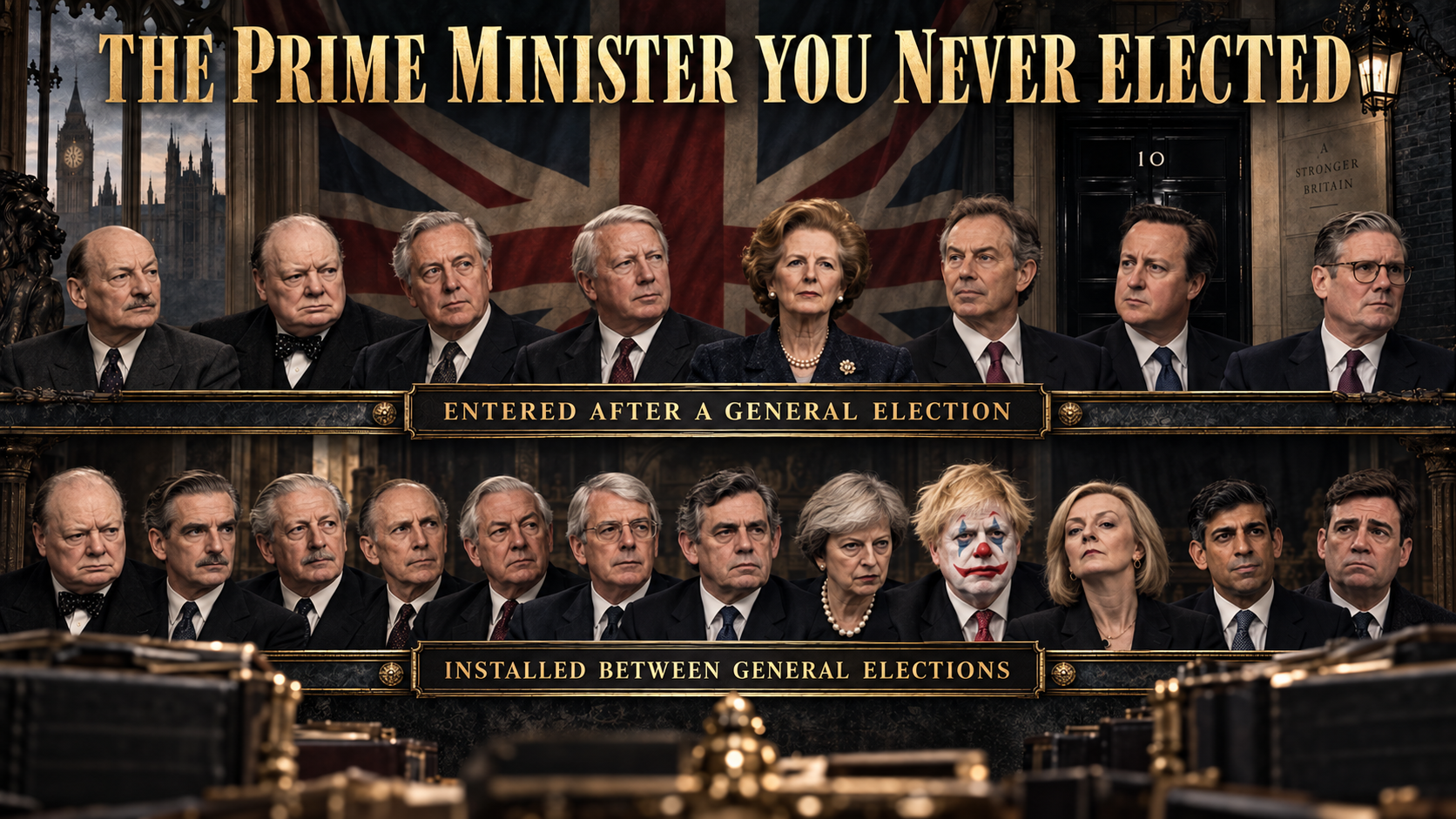
The Prime Minister You Never Elected
Britain campaigns as though voters choose a prime minister—then allows political parties to replace that leader without returning to the country. 🗳️👑


Frameworks create incentives.
Structures determine what is rewarded, what is restricted, and what becomes normal.
When behaviour settles into structure, power begins to emerge.
PEOPLE CHANGE. STRUCTURES REMAIN.
STRUCTURE CREATES INCENTIVE.
INCENTIVE SHAPES BEHAVIOUR.
CONTROL OF STRUCTURE CREATES POWER.