
Still running.
Working less.
WHEN SYSTEMS STOP EVOLVING AND START MAINTAINING THEMSELVES.
Decline is not collapse.
It is what happens when systems continue to operate — but stop improving.
They maintain stability while losing effectiveness.
Over time, performance drops, but the structure remains.
THE SYSTEM DOESN’T DISAPPEAR. ITS CAPACITY DOES.
- Services still existing but performing worse
- Systems running on past success rather than present strength
- Increasing effort required for the same outcomes
- Slow erosion rather than sudden failure
- Stability masking underlying weakness
Decline is easy to ignore because it is gradual.
Nothing breaks all at once.
But over time, the gap between expectation and reality grows.
Systems in decline often protect themselves.
They resist change while preserving structure.
The longer decline continues, the more normal it begins to feel.
IN PRACTICE
Examples of decline in motion.
-
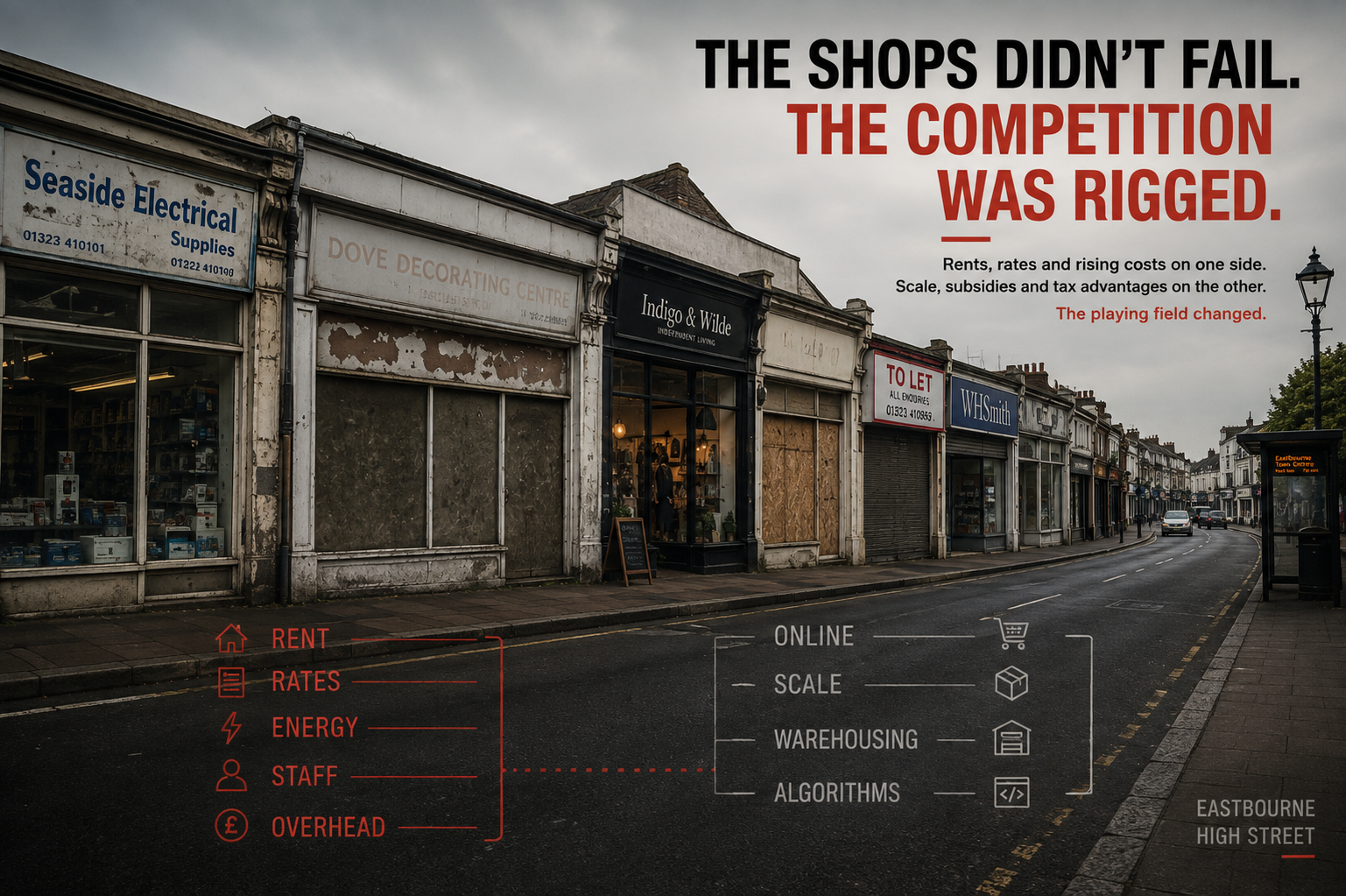
The Shops Didn’t Fail. The Competition Was Rigged.
🏚️ Eastbourne’s empty shops aren’t simply the result of bad businesses. Independent retailers face rents, rates, staffing costs and physical overheads while competing against systems built on entirely different economics. The shops didn’t fail. The playing field changed.
-
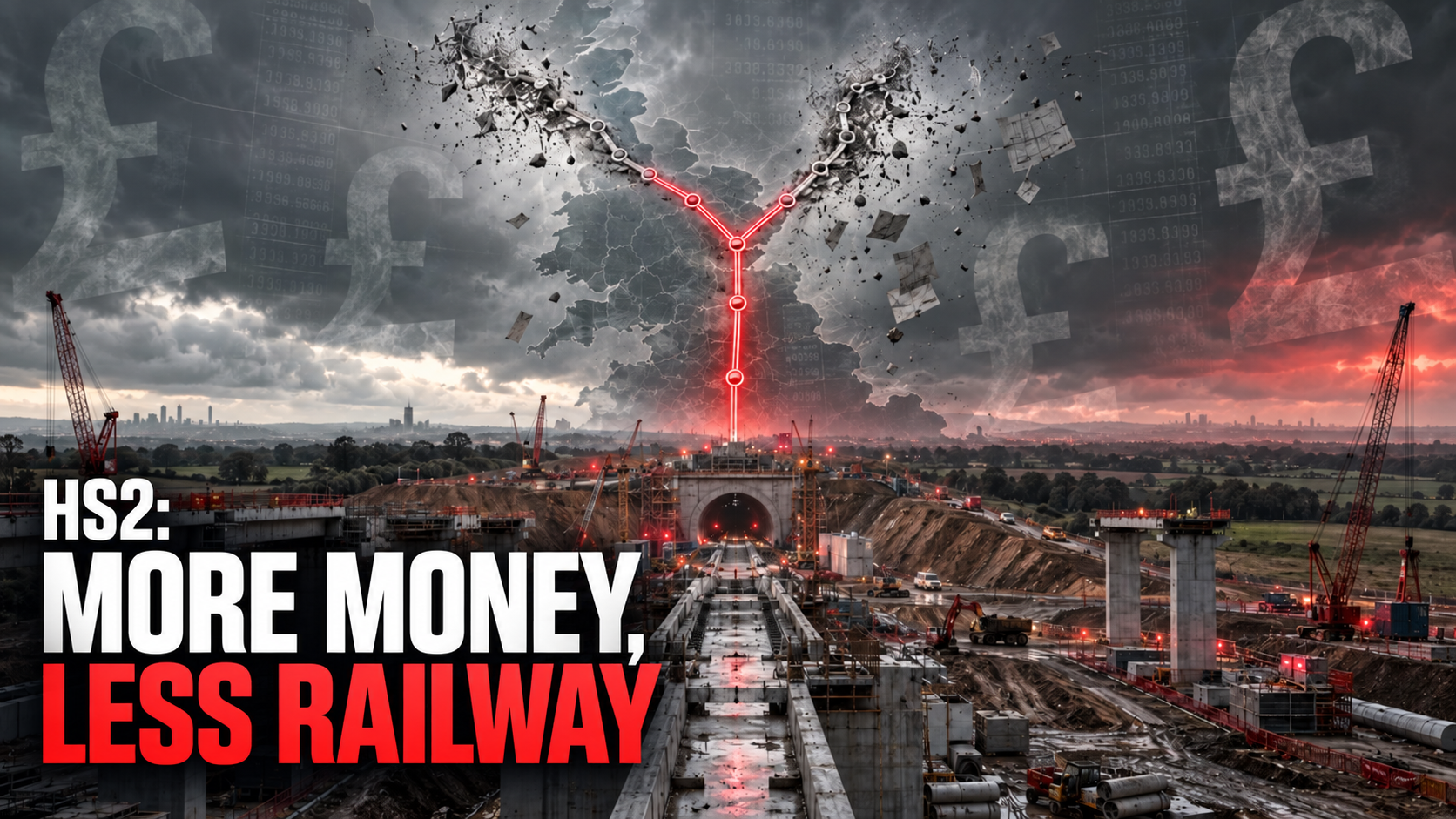
HS2: More Money, Less Railway
🚄 Britain promised a national high-speed network. After billions spent, routes cancelled and opening dates pushed back, what railway will HS2 actually deliver?
-
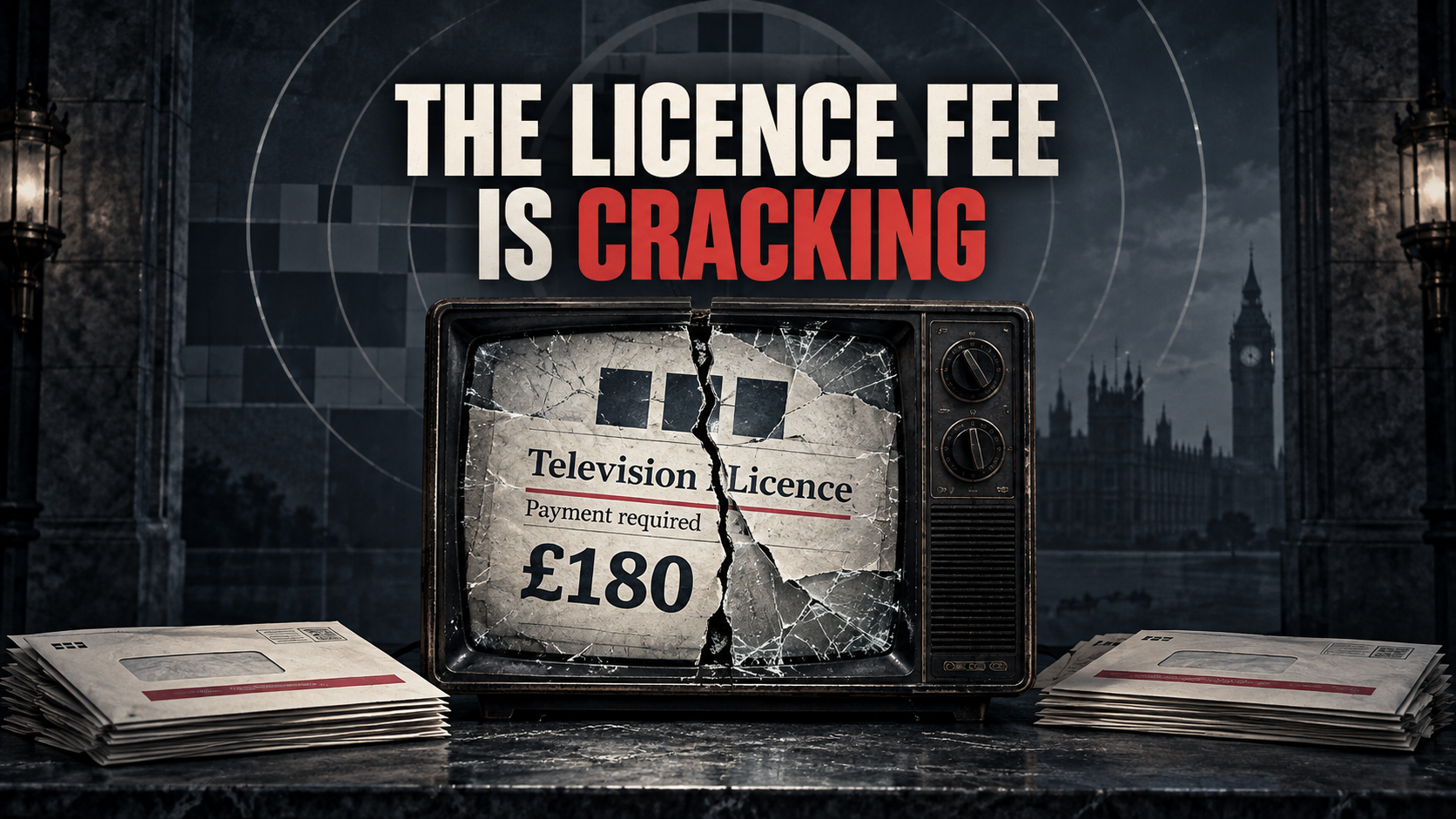
The Licence Fee Is Cracking
📺 The BBC licence fee still carries legal force, but the model beneath it is weakening. ⚖️ What can enforcement actually do, and what happens when public consent disappears? 💷
-
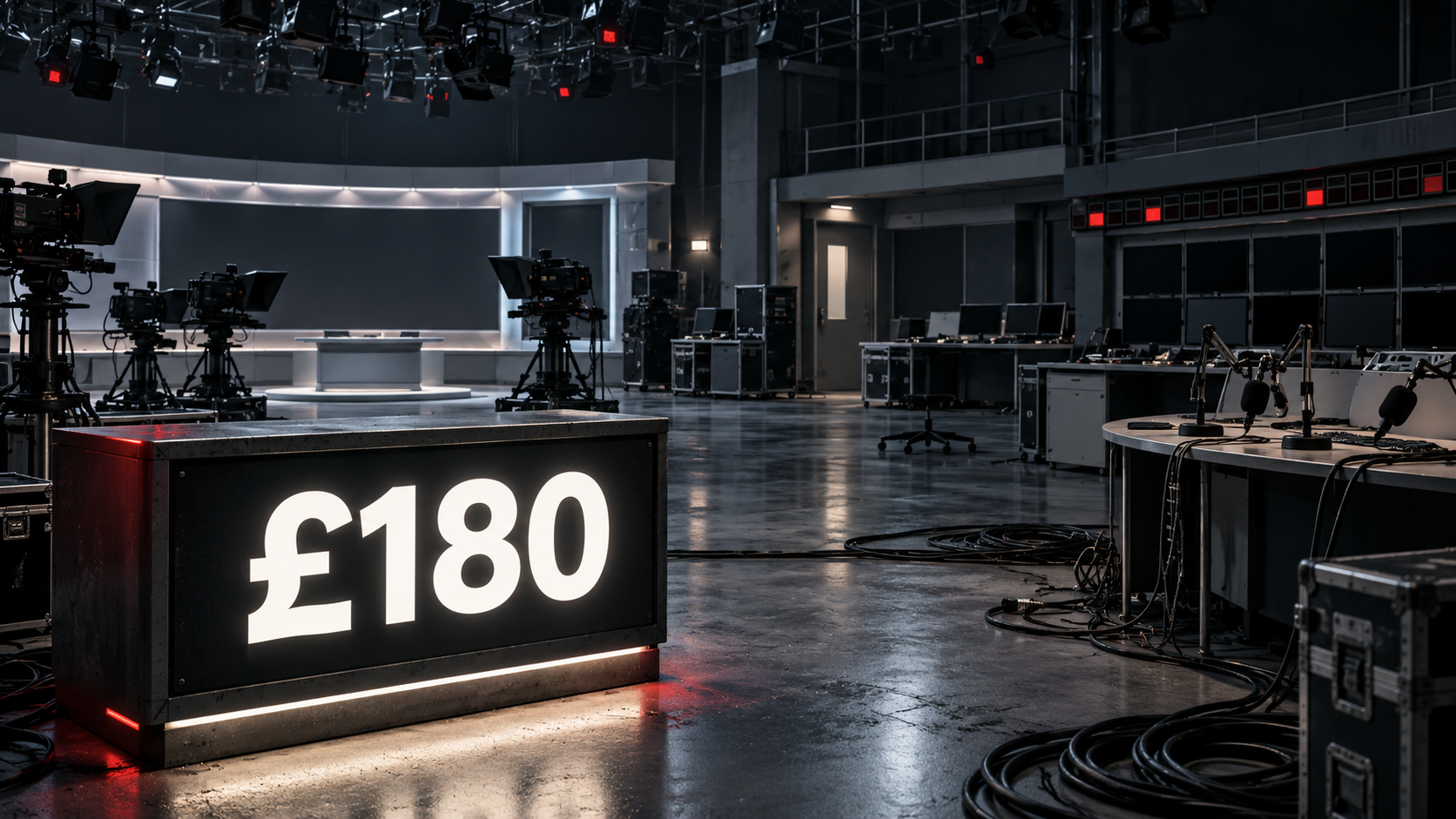
They Kept the Fee. They Cut the BBC.
📺 The licence fee rose from £145.50 to £180 while programmes, local radio, World Service output and thousands of jobs disappeared. This is how the BBC was steadily hollowed out from 2010 to 2026. 📉
-
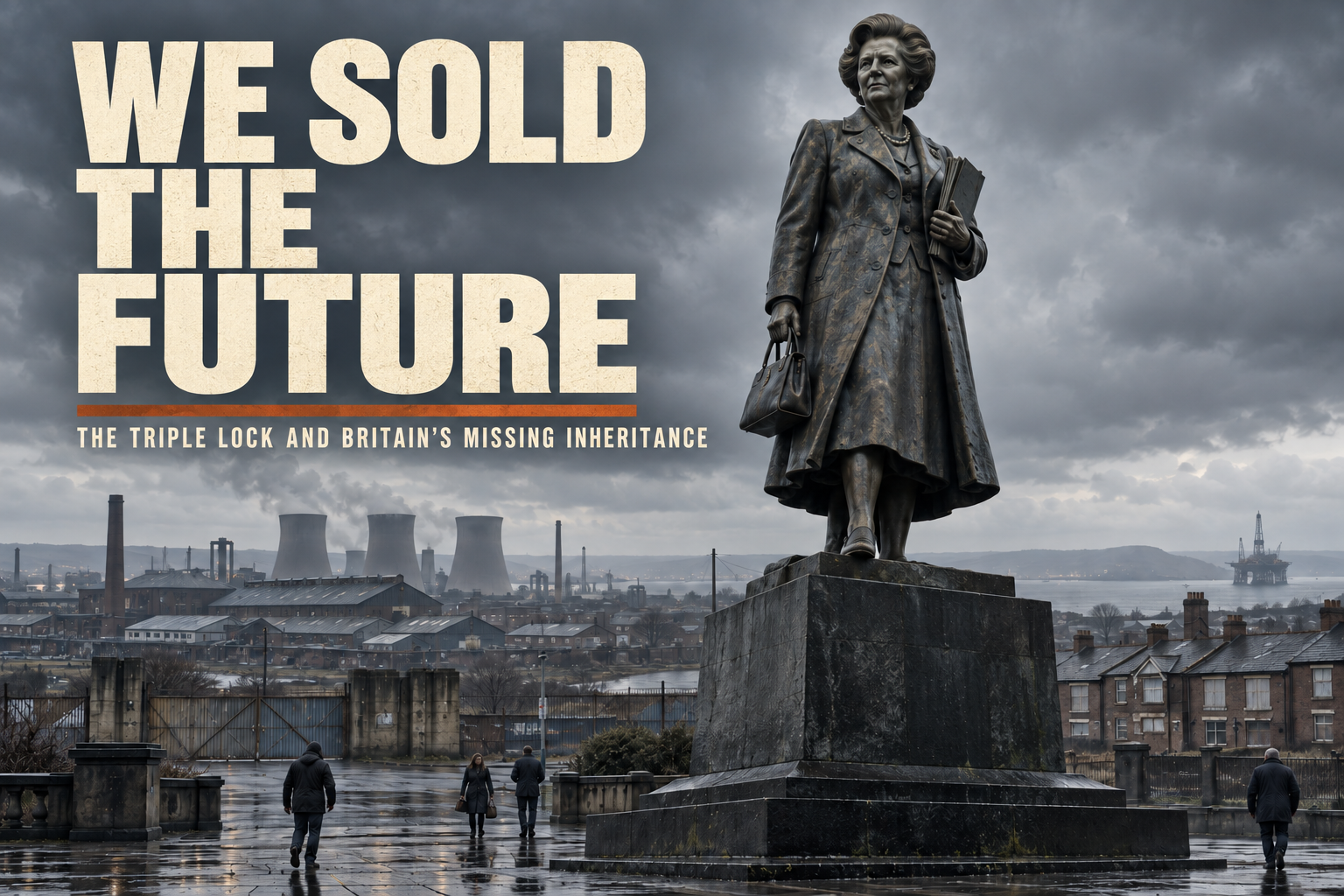
We Sold the Future
Britain sold its industries, housing and utilities while spending its North Sea windfall. Norway built a national inheritance. Now Britain needs the triple lock to protect pensioners from the consequences. 🏚️
-
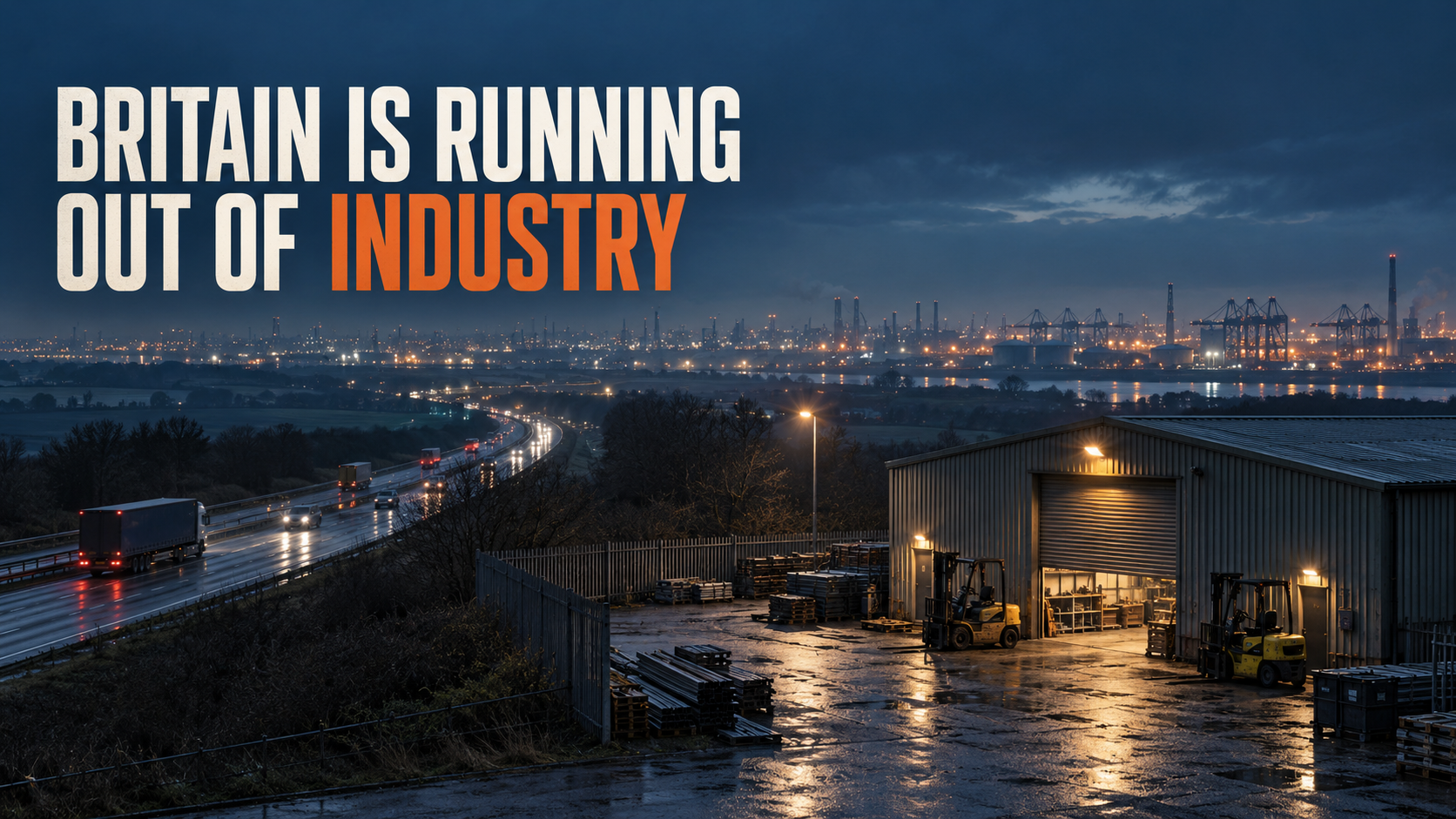
Britain Is Running Out of Industry
Britain keeps announcing an industrial revival while its workshops, customers and supply chains quietly disappear. 🏭🇬🇧
-
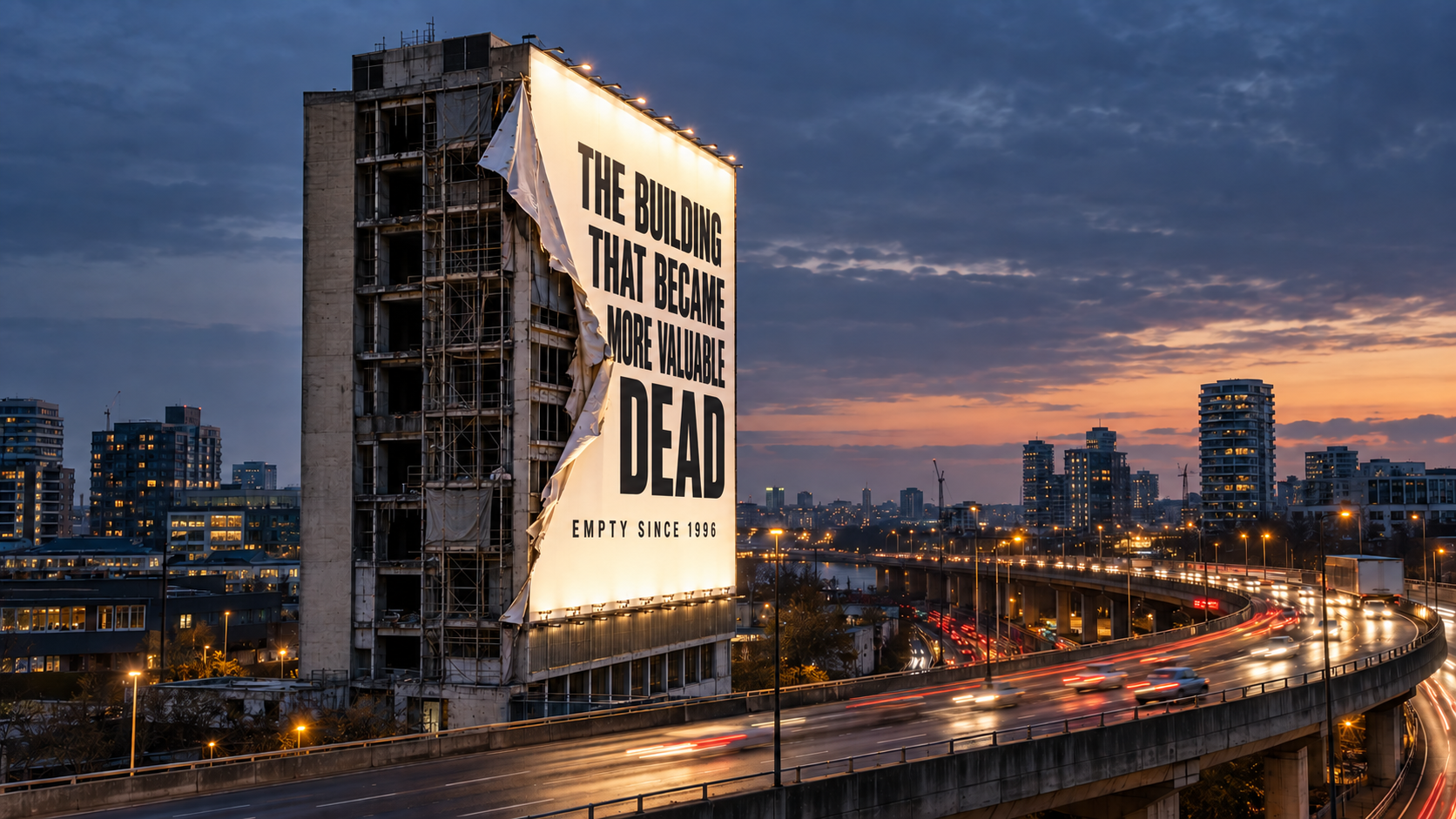
The Building That Became More Valuable Dead
🏢 Alfa Laval Tower has stood empty beside the M4 since 1996. Hotels, offices, housing and a Hyundai showroom existed on paper—while advertising became its only enduring business.
-
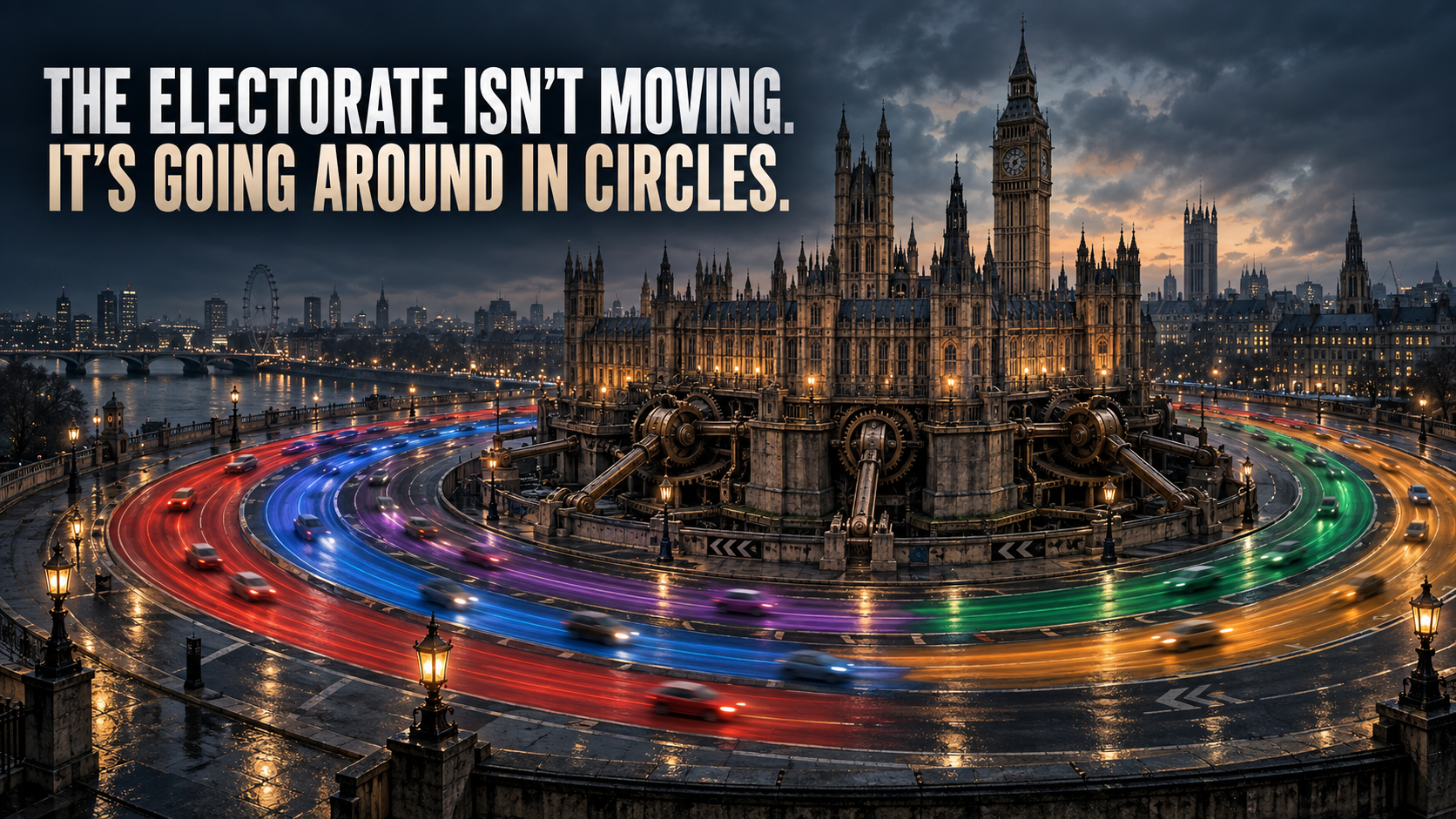
The Electorate Isn’t Moving. It’s Going Around in Circles.
Britain keeps changing parties without changing direction. The promises move, but the hollowed-out machinery underneath survives. 🔄🇬🇧
-
The Economy Doesn’t Look Alright. Britain Has Just Lowered the Bar.
📉 Britain records 0.4% growth and declares recovery. But productivity, household incomes and consumer activity reveal a very different economy.

CONNECTION
Decline does not happen in isolation.
It creates pressure from what comes next.
DECLINE DOESN’T ANNOUNCE ITSELF.
IT BECOMES VISIBLE ONLY WHEN
COMPARISON BECOMES UNAVOIDABLE.